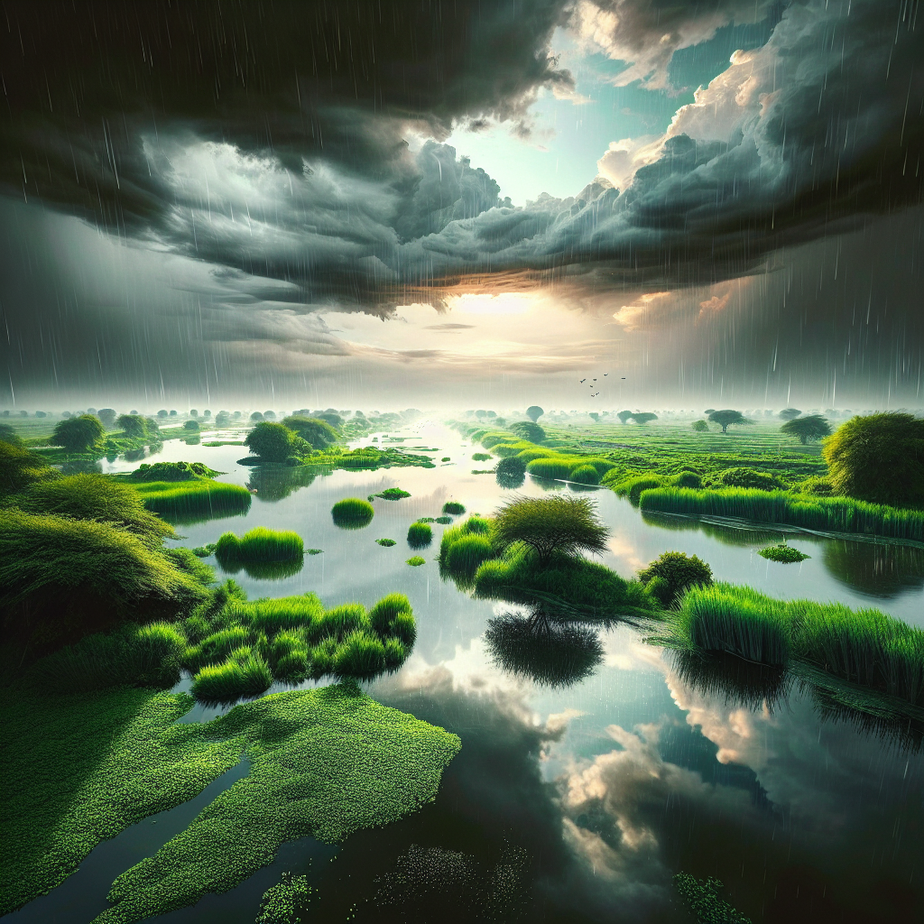
Monsoon rain fills Delhi’s Yamuna floodplains with lush green and concern
The Yamuna is rising again. As Delhi settles into its annual tryst with the monsoons, the river that slumbers for much of the year has awoken, surging with seasonal rain. In the past week alone, images of a swollen Yamuna flowing perilously close to the Ring Road and creeping into low-lying areas have flooded local news and social media alike. This isn’t just about an overwhelming river — it is a pattern of climate response, urban intent, and civic adaptation all converging in real time.
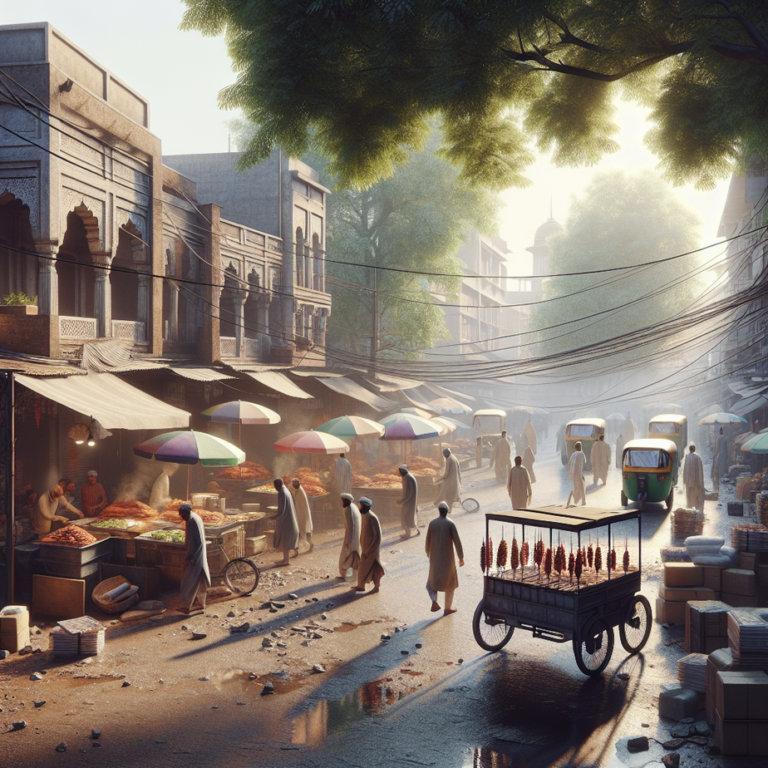
Monsoon in Delhi comes with a strange romance — clouds that muse over Lutyens’ boulevards, chai that tastes warmer, streets that occasionally turn into small lakes. But it also brings tension, especially for those living along the Yamuna floodplains. With every significant rainfall in Himachal and Uttarakhand, where the Yamuna originates, the capital holds its breath. Authorities scramble to monitor water levels at the Hathnikund Barrage, and Delhiites — from city planners to fishermen below the ITO bridge — watch with a mix of awe and anxiety.
This year feels different. Perhaps it’s the frequency and unpredictability of sharp rainfall, or the amplified signals of climate change felt in extreme heatwaves and sudden cloudbursts. Yet the heart of the issue remains our uneven relationship with the Yamuna. On one side sits Delhi’s urban ambition — metro lines slicing through the skies, residential towers rising ever higher. On the other, an enduring river ecosystem that remembers a time before cement.
The irony is that the Yamuna once shaped Delhi’s geography. The city grew because of its waters, settled along its banks, and harvested its fertility. But over time, what was a source of life morphed into an overlooked boundary. We concretised its floodplain, ignored encroached wetlands, and diverted attention until the river fought back, not in anger, but in overflowing reminders of its presence.
Still, there’s something remarkably human and inspiring about how the people of Delhi respond. Every year, fishermen, evacuees, local volunteers, and civic bodies adapt. Temporary shelters rise, community kitchens begin service, and people look out for each other. It becomes about more than just flood levels; it’s about resilience, humility, and a certain shared sense of living with the elements.
Instead of fearing the Yamuna, perhaps it’s time we start thinking differently — perhaps it’s time to normalise her rhythm. Could we imagine a Delhi that is more hydrologically conscious, where floodplains are protected, wetlands respected, and water is not just managed reactively but embraced proactively? The answer isn’t in stopping the rains or stemming the river’s flow, but in harmonising the city’s pulse with nature’s own tempo.
There’s a deep calm after a monsoon spell in north Delhi — the smell of wet earth, the sound of leaves dripping, and the river catching the city’s reflection in its slow return to normal. The hope is that in this annual cycle, we begin to see not a crisis, but a lesson. That the rising Yamuna becomes an annual conversation between a city and its soul, reminding us to listen, adjust, and care in advance, not in aftermath.
#YamunaRising #DelhiMonsoon2024 #RiverResilience #ClimateAwareDelhi #MonsoonInTheCity
About the Author