A Walk Around Jama Masjid: What’s Really Happening with Encroachments, and Why Delhi HC’s Wake-Up Call is Overdue
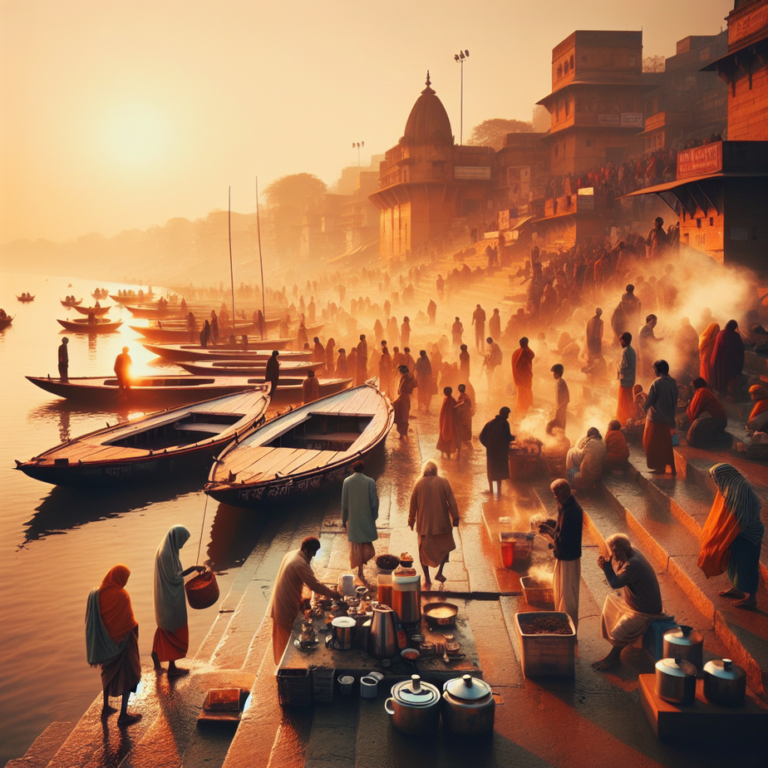
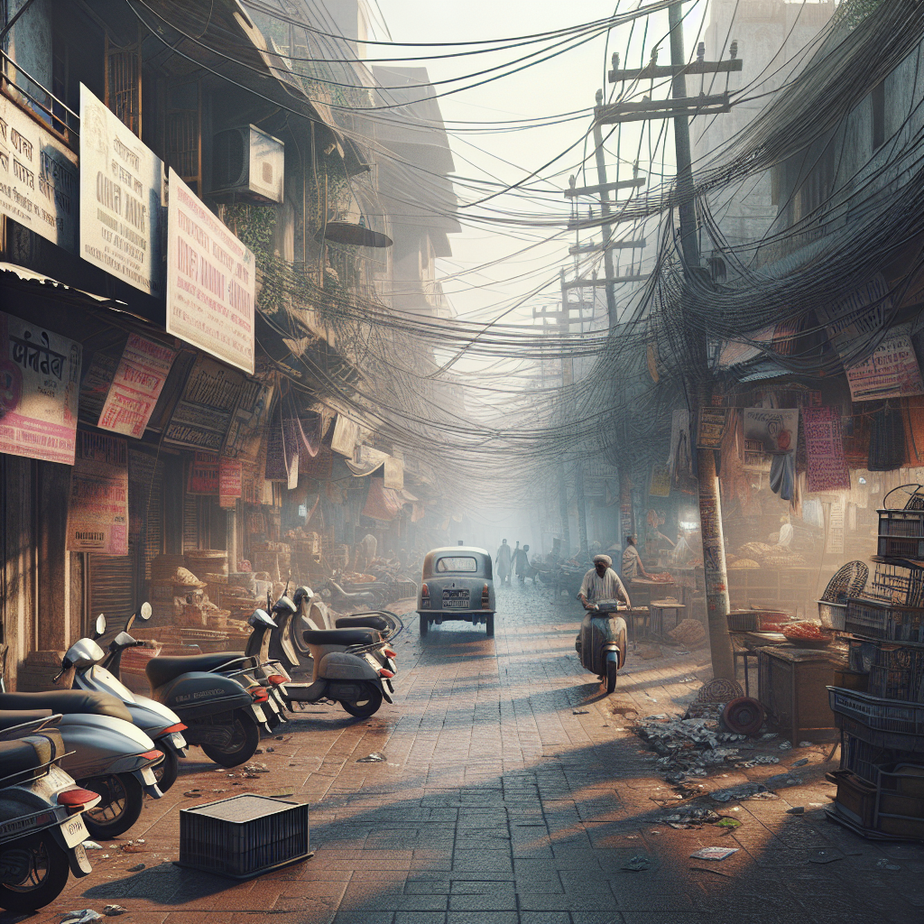
If you’ve ever wandered through the thrumming heart of Old Delhi—specifically the chaotic yet charming stretch near Jama Masjid—you know this area isn’t just about history or architecture. It’s a living, breathing labyrinth of sizzling kebabs, echoing azans, tangled electrical wires, spontaneous street cricket, and yes… relentless encroachments.
So when the Delhi High Court pulled up the MCD (Municipal Corporation of Delhi) for letting encroachments spread unchecked around the Jama Masjid area, it hit a nerve. Because as a Dilliwala who’s taken that walk from Chawri Bazar Metro Station to the steps of Jama Masjid more times than I can count, I can tell you—it’s not just about rules. It’s about survival, tradition, chaos, and mismanagement colliding every single day.
What the Delhi HC Really Said… And Why It’s Important
Let’s be honest—court orders like this usually float around the news cycle, sound very legal, and then vanish without any street-level impact. But in this case, the HC wasn’t mincing words. The bench directed senior MCD officials to take proactive steps against rampant encroachments, stack up accountability, and essentially “do your job.”
The trigger? A PIL (Public Interest Litigation) raising serious concerns about how public alleys, roads, and pavements were being occupied not by just roadside vendors, but by permanent and semi-permanent setups that made walking around Jama Masjid nearly impossible for residents and visitors.
But before anyone jumps to conclusions and blames the chaat-seller or the biryani stall owner—there’s a layered truth worth understanding.
What Delhiites See on the Ground
Last Sunday, I decided to walk the route myself again—with the court’s order fresh in mind. The area around Gate No. 1 of the Jama Masjid is where things are most intense. You’ll see makeshift stalls selling everything from second-hand phones to attar bottles and meat skewers sizzling on fire drums.
Shahid Bhai, who runs a tiny bed linen stall on the corner near Matia Mahal Road, told me, “Yeh 15 saal se kar raha hoon. Humlog tax bhi dete hai, MCD ke aadmi bhi aate hai. Par agar encroachment hata diya toh ghar ka kharcha kaise chalega?”
Translation: “I’ve been doing this for 15 years. We pay taxes, MCD guys also show up. But if this is removed as ‘encroachment’, how will we survive?”
It’s a heartbreaking paradox. The same vibrant energy that draws tourists and locals to Jama Masjid undermines its infrastructures. Everyone’s trying to make a living, but the unplanned nature of it all creates bottlenecks, hygiene issues, safety risks, and most worryingly—loss of access to emergency services during peak hours.
Where the Problem REALLY Lies
Here’s the insider truth: the issue isn’t the vendors alone. It’s the lack of any long-term plan. Why are there no designated vending zones near heritage sites, with proper sanitation and security checks? Why isn’t there a functional waste management system that doesn’t rely on overworked MCD sweepers who disappear post-noon?
It’s worth noting that this isn’t an isolated issue. We’ve written before on SaddiDilli about the similar chaos in Chandni Chowk’s bylanes (read it here: “Why Chandni Chowk’s Makeover Won’t Work Without the Locals”). The same struggle repeats—beautification plans without the people in mind.
The MCD’s occasional equipment-laden ‘anti-encroachment drives’ may make the news, but in practice? Locals say the affected stalls often pop back up within a week—with a few notes slipped to the right palms, as told to us by another shopkeeper who requested anonymity.
Myth Busted: “Only Hawkers Cause the Congestion”
Nope. Some big-name outlets are guilty too. On my walk near the northern edge of Jama Masjid, I found a popular meat shop—let’s call it “Famous Biryani Centre”—had its tables and stools spread a good three feet onto the road. That’s not a poor hawker, that’s a registered commercial unit flouting basic rules.
A Guard Outside Gate 3 remarked candidly, “Roz kuch naya lagta hai. Basement wale log road par aa gaye hai. Police bhi kabhi kuch nahi karti.”
Translation: “Every day, something new pops up. Even people with basements have moved onto the roads. Police never intervene.”
Know Before You Go: Insider Advice for Visiting Jama Masjid
Alright, so here’s your survival guide, for any of you who plan to explore the area soon:
✅ Best Time to Visit: Early mornings (before 10 am) or late evenings on weekdays. Avoid Fridays due to the massive crowd for Jummah prayers.
🥤 Hydration Hack: Grab a ‘Rooh Afza Lemon Sharbat’ from Billu Bhai’s cart on Urdu Bazaar road—it’ll cost just ₹20 and nothing cools better in the Old Delhi heat.
🚫 What to Avoid: Do NOT bring your car. You’ll end up stuck, frustrated, and contributing to an already suffocated space. The multi-level parking near Meena Bazar is often full. Best bet? Take Metro to Chawri Bazar and walk.
⚠️ Pro Tip: If someone tells you “Madarsa ke bagal waale rickshaw mein mat jao, ghum chakkar karwata hai” — believe it. Some rickshaw pullers elongate your route to charge extra. Use e-rickshaws booked via the “Yatri” app for more direct commutes.
📷 Photog Note: For Instagram-worthy shots of the Masjid, head up the staircase towards rooftop eateries like “Al-Jawahar View Cafe.” Not the best food, but that view is priceless.
What Comes Next?
The Delhi HC’s direction is timely, necessary, but incomplete if left unenforced. Regularization, accountability, and compassion need to act together. Otherwise, it’ll be another cycle of removals, chaos, and silent returns.
And for us Dilliwalas, Jama Masjid isn’t just Delhi’s past—it’s a mirror to its present. A city bursting at the seams with stories, struggles, and soul.
Let’s hope the authorities write this next chapter with more empathy than enforcement.
And if you’re curious about how other parts of Old Delhi are wrangling with urban chaos, you might enjoy our guide on “Beyond Paranthe Wali Gali: Secret Eats of Old Delhi”.
Till then, keep walking, keep observing.
#JamaMasjidEncroachment #OldDelhiDiaries #DilliKiGalliyan #MCDWakeUpCall #SupportLocalDelhi
About the Author