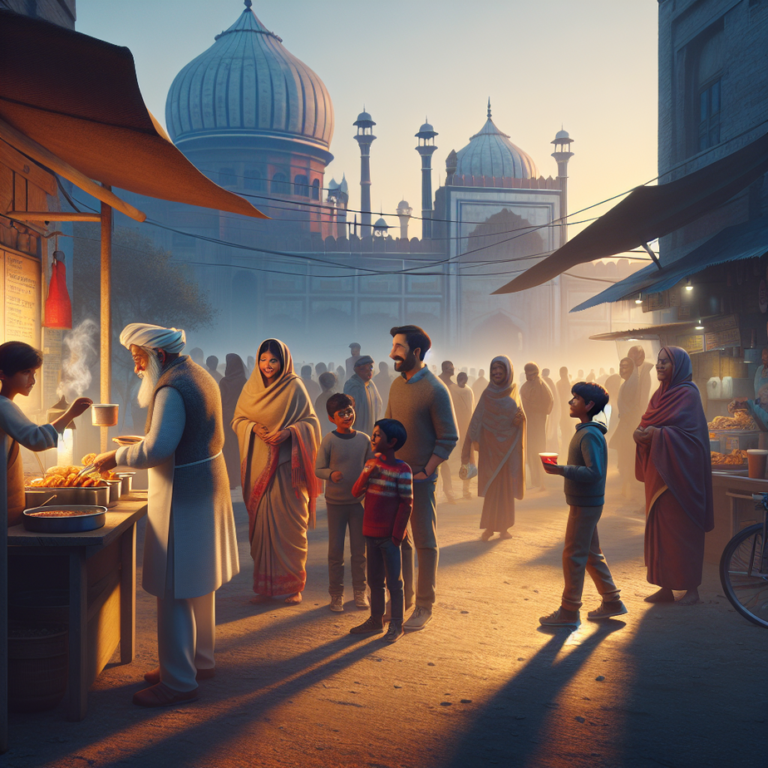
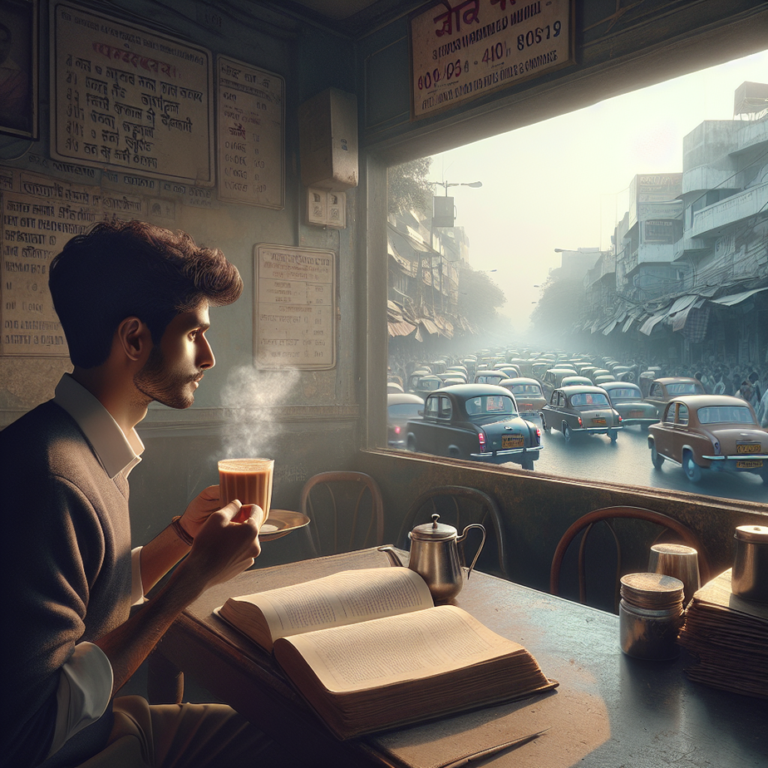
New Delhi — Bite into a crisp kachori near Jama Masjid or slurp tangy chaat outside Lajpat Nagar — and suddenly, Delhi’s nippy winter doesn’t feel so cold. Dilli ki sardi isn’t just about layering sweaters; it’s a whole vibe, where hot, spicy, street-side snacks become the soul of the city. But which ones are truly worth queuing up for when your fingers are freezing and your stomach’s growling?
Winter Streets Serve it Hot: What’s on Dilli’s Plate
As the mercury drops and fog rolls in, the gallis of Delhi heat up — not with heaters, but with steaming pots and sizzling tavas. Street food vendors across the city know winter is their season to shine. Think matar kulcha with that warm, masala-heavy choli, or roasted shakarkandi tossed in lemon and chaat masala, sold right off thela gaadis wrapped in newspaper. The city’s top winter favourites? Locals point to daulat ki chaat (light as snow, ironically), gajar ka halwa, and hot ram ladoos, usually found near Karol Bagh or Rajouri Garden in the evenings.
Unlike summer’s obsession with banta and kulfi, winter in Delhi is about intense flavours, deep fryers, and hands warmed over disposable chai cups. Vendors start prepping from mid-afternoon onwards, and by 5 PM, narrow lanes like those in Tilak Nagar come alive with the sound of spatulas hitting tavas, chutneys bubbling, and excited customers placing bulk orders “Bhaiya, chaar plate dena, thoda spicy zyada kar dena.” According to Rajeev, a vendor near Kake di Hatti in Chandni Chowk, “Sardi mein log garam khana dhoondte hain, aur taste toh sabko yaad reh jaata hai.”
Straight from the Streets: Delhiites Swear by it
For Delhiites, winter street food is more than comfort—it’s ritual. Office-goers munch on hot momos in Amar Colony after long shifts; LSR and Gargi students crowd Chittaranjan Park in the evenings for puchkas and dhokla served with warm masala chai. It’s not just about hunger—it’s about hanging out, catching up, and warming up. In residential blocks of Mayur Vihar, neighbours step out just to sniff out freshly-made moong dal halwa sold from the back of scooters, an unexpectedly common sight in December evenings.
Familial traditions also kick in: parents bringing their kids for chole bhature at Bhogal, or couples doing late evening drives to Pandara Road just for creamy hot kulhad doodh. For many, these aren’t snacks—they’re part of winter memories. Residents say it’s not uncommon to see long queues forming around 6:30 PM near Motibagh or Sarojini Nagar, especially after shopping hours. “Winter is when we don’t mind waiting 15 minutes for a plate of aloo tikki, because eating it in this cold just hits differently,” says a DU student queuing after class in Kamla Nagar.
Why Winter & Food are an Old Delhi Love Affair
Delhi’s long-standing love for winter comfort food isn’t a new phenomenon. Historically, the city’s climate shaped its palate—freezing nights in December meant people turned to spice-laden, heat-generating dishes. Think slow-cooked nihari breakfasts near Jama Masjid or rabri from the old alleys of Sadar Bazaar. Unlike Mumbai’s monsoon snacking or Bangalore’s year-round street chaat, Delhi’s food scene morphs deeply with its seasons.
Even post-partition, many communities brought their winter culinary traditions to Delhi, adapting them to local tastes and street cultures. The result? Layered snacks that feel both familiar and exciting: like a North Indian gajak stand also selling Tibetan soup. Each winter generation adds their twist—from Nutella-filled paranthas near Safdarjung to tandoori maggi at Satya Niketan.
Some compare it to how Amritsar thrives on kulchas in the winters or how Lucknow lights up with kebabs — but Delhi’s diversity makes it a stew of all. There’s no fixed definition—just whatever warms your soul in the cold.
What To Do: Your Street Food Game Plan
- Time your visit: Most vendors start prepping by 4:30 PM. Hit the spots between 5–8 PM for the freshest servings and avoid late-night chills.
- Go small, go often: Instead of having one heavy snack, sample 3-4 small bites across markets — one golgappa here, one panas ke kebab there.
- Carry cash (and tissues): UPI isn’t universal. Also, street snacks are often messy—come prepared if you’re heading to places like Rajinder Nagar or INA.
📍 Spot Check: Must-visits include Chandni Chowk (Chawri Bazaar Metro Station), Amar Colony (near Lajpat Nagar Metro), and Hudson Lane near GTB Nagar Metro. Locals also recommend checking out the small but fiery stalls outside East Delhi’s Karkardooma Court complex for forgotten gems.
The Final Word
In Delhi, winter doesn’t just happen on weather apps — it simmers in pressure cookers, steams from momo baskets, and crackles from open-air kadais. Winter street food is one of the city’s most satisfying subcultures, full of aroma, nostalgia, community, and culinary hustle. Don’t just scroll through food reels—wrap a shawl, get outside, and taste it street by street. What’s your personal go-to winter bite? Share it with us — we’re hungry for new leads!
People Also Ask
Is this officially confirmed?
Yes, but implementation on ground may vary.
Who benefits the most?
Daily commuters, students and small shop owners.
Any hidden catch?
Check timings & local enforcement.
Have something to say? Drop a comment below!
#Delhi #DelhiNCR #WinterStreetFood #LocalEats #FoodieSeason
About the Author