New Delhi — Picture this: Sufi poetry echoing off minimalist concrete walls, and just beyond that, a spoken word performance that segues seamlessly into a Carnatic-electronica DJ set. This wasn’t backstage at JNU or some aesthetic reel from Instagram—it was all happening at ‘The Gathering’, a fresh cultural festival that’s pulling Delhi’s plugged-in generation away from overpriced mall events and towards something far more real. But what’s actually making waves about this isn’t just the lineup—it’s the whole Movement. Are Delhiites finally writing their own playbook for how India does “culture”?
The Festival That’s Rewriting the Rules
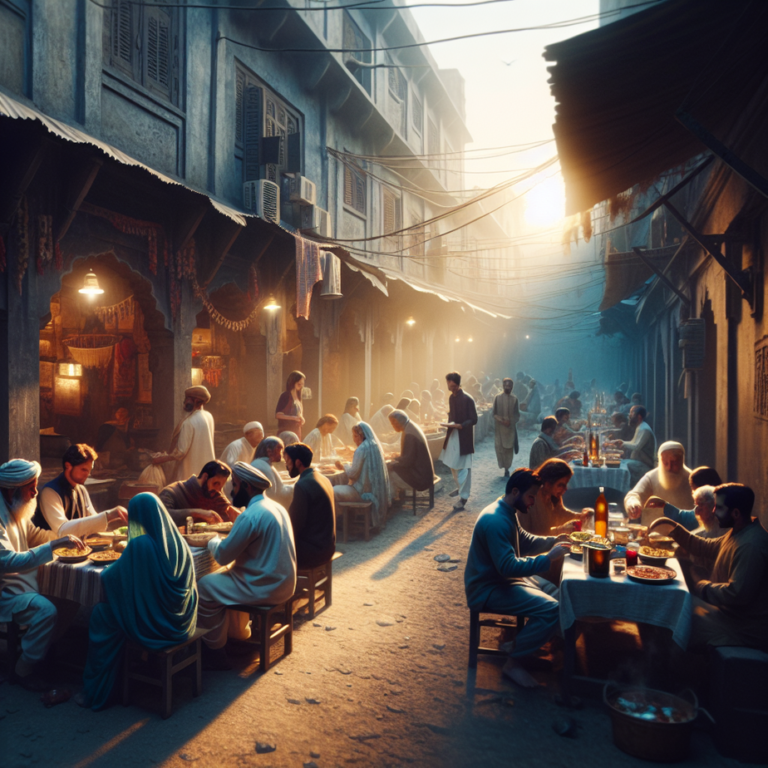
The Gathering isn’t your mama’s NH7 or your cousin’s wedding sangeet playlist repackaged for Hauz Khas rooftops. Hosted at an evolving venue near Okhla, this cultural series is designed to break silos—think artists who wouldn’t usually share a stage suddenly collaborating live. There’s a reason everyone from storytelling collectives to post-punk acts are calling this the “anti-festival” festival. The focus isn’t on big-ticket celebrities or Instagrammable food stalls, but on curation: art installations from independent collectives, regional crafts being explained by the artisans themselves, and panel discussions that go beyond buzzy headlines into lived experience.
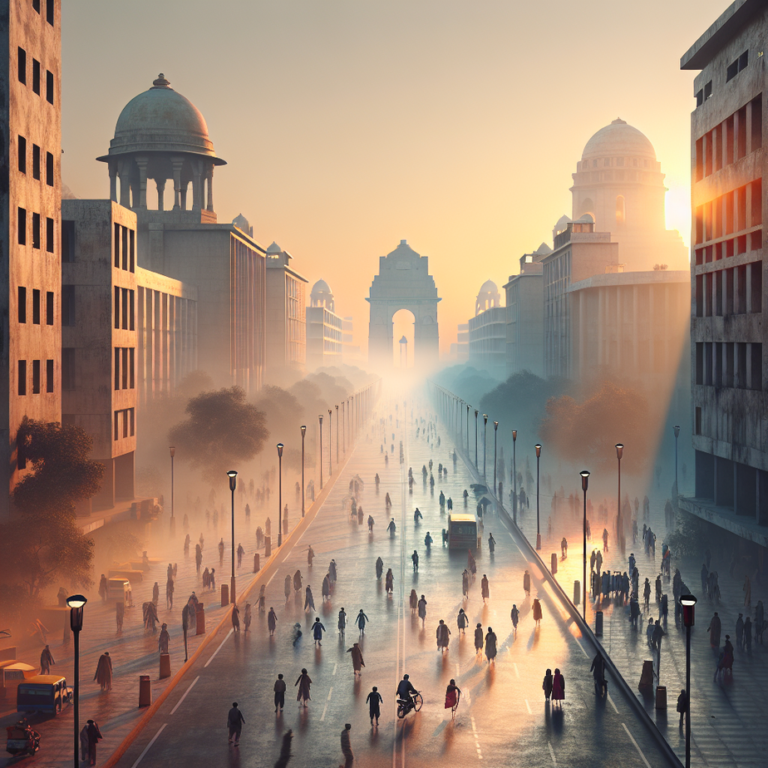
According to reports, the vibe is more workshop meets jam session than music fest. Entry is often via community passes or sliding-scale tickets, and sponsorships are minimal. Instead of shouting brand names, attendees hear clangs of tabla doubles over synth, watch muralists throwing paint beside screenwriters reading under banyan trees. It’s a deliberate departure from sanitized events in places like DLF CyberHub or Major Dhyan Chand Stadium—this is Delhi, but unpolished, experimental, and unfiltered.
What It Really Means for Delhi Locals
This shift is rippling through alleyways from Shahpur Jat to Sangam Vihar. St. Stephen’s students are skipping Zorba’s Friday EDMs in lieu of The Gathering’s DIY philosophy sessions. A bookshop near Patel Chest reports increased interest in poetry chapbooks by Indian and diaspora writers—locals say the crowd emerging from the festival isn’t there to just snap photos; they’re carrying tote bags of zines and hand-bound booklets. Even rickshaw drivers near Govindpuri metro have started expecting pickups post-midnight, as people pour out after extended sessions.
One shopkeeper near Tikona Park said, “Pehle yahan shaam ke baad suna padta tha. Ab toh kahin na kahin se music sunai deta hai, log hain”—he gestures toward the nearby lanes where graffiti artists and dance crews have been setting up impromptu workshops. For families living nearby, it’s a bit of a mixed bag. Some appreciate the fresh energy and foot traffic, while others worry about late-night noise and parking jams. But make no mistake: it’s waking up parts of South Delhi many had written off as too far or too rough for cultural gatherings.
From Humsafar to Now: Delhi’s Evolving Cultural Beat
Back in the early 2000s, Delhi’s idea of alternative culture was limited to the odd play at Mandi House or The Garden of Five Senses doubling as a creative date spot. Then came the wave of Khan Market-centric “culture”—expat art shows, overpriced gigs, and pseudo-Bohemian cafes. More recently, Ghalib’s Haveli in Ballimaran became the poster image for nostalgia-driven heritage walks. But The Gathering’s model leans forward, not backward. Unlike Jaipur Literature Festival—which leans big-brand and scholarly—the Delhi version here feels like the messy, democratic, chai-stained cousin who brings up caste and queerness in the same breath as cinema metaphors.
Even compared to similar efforts in Mumbai, like the Kala Ghoda Festival, Delhi’s Being-meets-doing approach—where you’re not just watching but participating—feels uniquely homegrown. It reflects what’s been brewing underground in jam rooms near Lajpat Nagar and street pop-ups at Janakpuri’s district parks. There’s a sense that The Gathering is less about defining culture and more about opening up permission structures for people to define it for themselves.
How To Plug In—Without Getting Lost
- Check niche event calendars like The Delhi Signal and InsiderVerse for non-Instagram promoted listings. Events are often word-of-mouth first.
- Pack light: think notebook, power bank, re-usable bottle, and cash (UPI doesn’t always work in pop-ups or art stalls).
- Go early for workshops—they fill up fast and latecomers often end up watching from behind curtain dividers.
📍 Spot Check: Closest metro is Okhla NSIC on the Magenta Line. The venue is a 10-minute auto ride through lanes near Lotus Tower. Nearby pit stops include Chitoriya for affordable thalis and Andaaz-e-Mughlai for post-event gulab jamuns with a side of city gossip.
The Final Word
There’s something refreshing about seeing Delhi return to its chaotic, contradictory, co-creating roots. The Gathering isn’t here to replace your usual calendar—it’s here to make you question why that calendar looks the way it does. It’s a reminder that culture doesn’t need a VIP pass or a glossy flyer. It just needs people willing to show up and stay curious.
People Also Ask
Is this officially confirmed?
Yes, but implementation on ground may vary.
Who benefits the most?
Daily commuters, students and small shop owners.
Any hidden catch?
Check timings & local enforcement.
Have something to say? Drop a comment below!
#Delhi #SouthDelhi #CulturalShift #WhatsOnDelhi #UrbanVoices
About the Author