New Delhi — You’ve probably strolled down Lodhi Road, walked past India Habitat Centre, and not realized how much of our culture we casually ignore. But that changes now, if Harish Bhimani has his way. The golden voice behind Mahabharat’s “Main Samay hoon,” Bhimani just launched something being called a “document of India’s cultural DNA”—and it’s not just for nostalgia points. ‘Awaazon Ke Jugnu’ is here, and it’s redefining how we listen to history.
What Exactly is ‘Awaazon Ke Jugnu’—and Why Are We Just Hearing About It Now?
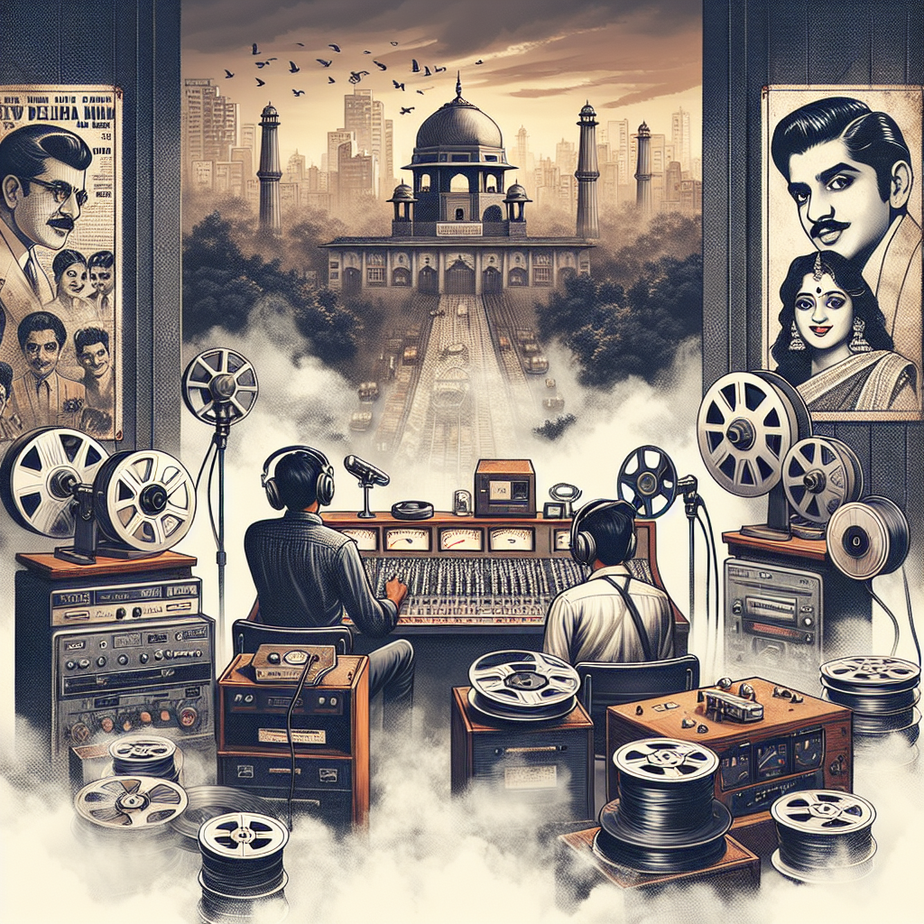
This isn’t your average Doordarshan flashback. ‘Awaazon Ke Jugnu,’ a cultural documentation initiative, is Harish Bhimani’s tribute to over half a century of iconic Indian voices. Think of it as an auditory museum that doesn’t smell like dusty files at Teen Murti Bhavan. From radio legends like Melville de Mellow to present-day voiceovers from Delhi’s own FM channels, this project is curating the country’s spoken-word heritage, one pitch-perfect clip at a time.
Launched recently and promoted via the Press Information Bureau (PIB), the initiative brings together audio interviews, archived speeches, and oral narratives of artists, poets, newsreaders, and voiceover specialists who shaped India’s cultural aesthetic. It’s not on Netflix, it’s not behind a paywall—it’s targeted directly at educational institutions, archives, and yes, the everyday Delhiite with a soft spot for Bhishma Pitamah’s monologues.
Bhimani calls it a “document of our cultural DNA,” meaning it’s more than just sound — it’s memory, identity, and that strange familiarity we get when we hear Lata Mangeshkar’s voice in a cab outside Rajouri Garden at 11 PM.
What’s In It for Us — Besides Goosebumps and Throwbacks?
Look, this isn’t just a nostalgia project to play on All India Radio reruns. For students at Miranda House researching mass media, or voiceover artists working out of shared studios in Noida Sector 63, ‘Awaazon Ke Jugnu’ is a potential goldmine. It opens up a curated way to study voice culture, pronunciation shifts, and linguistic diversity—without relying on shaky YouTube uploads of yesteryear.
For professionals in dubbing, theatre, and even YouTube creators looking for vocal inspo, this archive might be the Rosetta Stone you didn’t know you needed. It’s also likely to spark workshops, panel discussions, and maybe even pop-ups at venues like Triveni Kala Sangam or Studio Safdar behind Shadipur Depot. Translation: More voice-oriented gigs, more resources for speech training, and hey—maybe fewer nasal influencers pretending to sound like they went to Mayo.
From Akashvani to Alexa: How Did We Get Here?
For context, this isn’t the first time India’s voice legacy has been acknowledged. Back in the day, All India Radio (Akashvani) had a Central Archives Division. But most Delhiites didn’t even know it existed, because good luck getting access unless you were a professor or a painfully persistent researcher. Bhimani, who started his career voicing scripts for Indian educational films in the ’70s, saw the gap: no central, accessible repository that showcased voices as cultural artifacts.
Delhi, ironically, was always the backdrop for these silent revolutions—recording rooms at Mandi House, backdoor rehearsals near Janpath’s Shriram Bhartiya Kala Kendra, and hours-long poetry sessions at India International Centre. Yet, no effort stitched it all into one consumable experience. That’s what ‘Awaazon Ke Jugnu’ is aiming to fix.
📍 Spot Check: Parts of this archive will be showcased at cultural nodes like Kamani Auditorium, The Habitat Centre (Lodhi Road), and there’s even talk of a collab event at the National Archives near Kashmere Gate Metro Station. For those looking to engage, keep an ear out at Daryaganj’s Sunday book market—some traders might even have bootleg CDs of archival AIR interviews floating around.
The Final Word
‘Awaazon Ke Jugnu’ lands somewhere between an academic archive and a love letter to India’s past. And honestly? In a city constantly chasing what’s next—next flyover, next food trend, next condo in Dwarka Expressway—it feels good to pause and listen to voices that shaped us. This one’s a solid ‘Yay’ from my side. The only question is: will Delhi’s younger crowd actually listen?
Have something to say? Drop a comment below!
#AwaazonKeJugnu
#DelhiCultureArchives
#HarishBhimaniLegacy
#VoicesOfIndia
#ListenToDelhi
About the Author