New Delhi — If you’ve ever considered trading your Nizamuddin traffic jams for the meditative silence of a hilltop monastery, 2026 might be your year. With the Union Budget highlighting Buddhist circuit development and green tourism in the North-East, Delhiites who crave meaningful escapes and offbeat Insta shots are paying serious attention. The buzz isn’t just among travel bloggers—it’s hitting hostel groups in North Campus and chai tapris from CR Park to Lajpat Nagar. So what exactly is going on, and how does it shape your next long weekend plan?
New Budget, New Pathways to Inner Peace
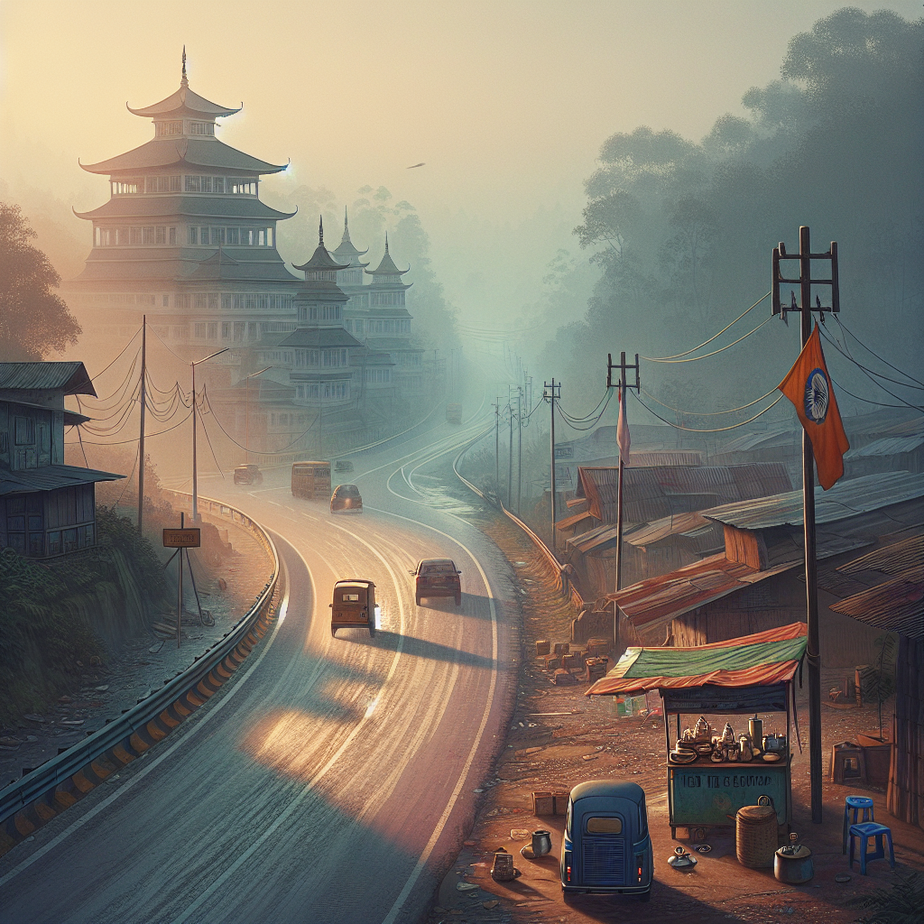
This year’s Budget 2026 unveils a multi-crore push to revive and develop key Buddhist circuit destinations complemented by “green tourism” projects in the North-Eastern states. The focus? Sustainable travel, eco-lodges and improved connectivity from Delhi to historically rich yet under-visited spiritual sites in Arunachal Pradesh, Sikkim, Assam, and beyond. The initiative aims to link existing Buddhist trail destinations—think Sarnath, Bodh Gaya—with under-explored gems like Tawang and Namchi. Green tourism, meanwhile, will get a leg up with support for homestays, EV-based transport clusters and waste management systems across popular hill circuits.
For Delhi-based travellers who’ve already done Shimla-Manali-Kasol on a loop, this opens up refreshingly new terrain. Trains, flights and roads connecting Delhi to Guwahati, Itanagar, Siliguri and Gangtok are getting investment boosts. Expect new direct train routes from Anand Vihar Terminal and extra flights from IGI’s Terminal 2 in the next 12–18 months. More significantly, local tourism economies in the North-East are receiving grants to improve infrastructure—from toilets and signage to guided trail services—making these spiritual getaways accessible, especially for solo travellers and family groups.
Green Escape with Real Impact on Delhi Locals
People slogging nine-to-five in Noida’s Sector 62 tech parks or living near Nehru Place are already calculating their paid leaves for a May or October long weekend. Hostel students living around Kamla Nagar say they’re “keen for a budget trip that’s not just scenery”, and this move could lower costs and raise access. With better rail links and sustainable options on the horizon, Delhi folks can go beyond McLeod Ganj and explore less commercial but deeply rooted Buddhist sites.
Ramesh, a shopkeeper near INA Market, said, “Earlier only foreigners used to go to these remote monasteries. But now, if trains and connectivity improve, even we can think of going.” The Budget’s mention of multi-modal travel options—combining train-air-road—should appeal to people wary of bumpy roads and slow connections in mountain areas. For budget travellers from Delhi, this could mean shorter waits, cleaner pit stops, and safer routes.
Meanwhile, travel agencies in Karol Bagh report interest from young professionals asking about eco-certified homestays and guided cultural tours. These are not just mindful retreats but full-on experiences—local food, minor treks, monastery visits—all under ₹10k for 4–5 days once subsidies roll out.
Why Now? The Backstory to the Buddhist Boom
The Buddhist circuit has been a central part of India’s cultural tapestry, but for the longest time, infrastructure and accessibility remained patchy. Back in the 1990s, Delhiites going to Bodh Gaya or Sarnath usually did so via informal tourist routes or through tight-knit community pilgrimages. The North-East, while home to historic monasteries like Tawang and Bomdila, remained inaccessible due to poor connectivity and safety apprehensions.
But post-2014, tourism boards began branding these zones as spiritual and eco-sensitive corridors. States like Arunachal Pradesh and Sikkim started pushing for responsible travel, encouraging homestays and banning plastic near sacred sites. This year’s budget finally puts real money behind those ideas: operational funding, grants for local guides, and incentives for green hospitality operators. Compared to earlier schemes that fizzled out after announcement day, the 2026 outlook appears backed by policy coherence. And with Delhi already linked to Patna, Varanasi, and Siliguri by air or train, expect shorter planning windows and increased itineraries come peak season.
Planning Your Peace-Out: Tips for Delhiites
- Start your journey via train from Anand Vihar or New Delhi Railway Station; new Buddhist circuit specials are expected to start post-Diwali 2026.
- Keep an eye on government-certified homestays in places like Namchi and Tawang for budget + eco-friendly options—many offer meals, WiFi, and trekking guidance.
- Use apps like IRCTC Rail Connect and Incredible India to track real-time updates on route expansions, EV bus services, and facility ratings in monastery towns.
📍 Spot Check: Expect increased tourist traffic starting mid-2026 from Delhi’s Majnu-ka-Tilla (known for its Tibetan community and eateries) and Kashmiri Gate ISBT, which already schedules deluxe buses to North Bengal and Assam towns.
The Final Word
For Delhi folks fed up with air pollution and crowd fatigue, the Centre’s focus on Buddhist circuits and green Northeast travel is more than budget jargon—it’s a real chance to find silence, nature, and meaning. Instead of just ticking off hill stations, travellers can now immerse deeply in a different rhythm. As local investments kick in, travel won’t just be about escape but also about conscious exploration. Will you pick a forest retreat in Ziro or a monastery stay in Rumtek for your next break?
People Also Ask
Is this officially confirmed?
Yes, but implementation on ground may vary.
Who benefits the most?
Daily commuters, students and small shop owners.
Any hidden catch?
Check timings & local enforcement.
Have something to say? Drop a comment below!
#Delhi #DelhiNCR #Budget2026 #EcoTravel #IndiaTourism
About the Author