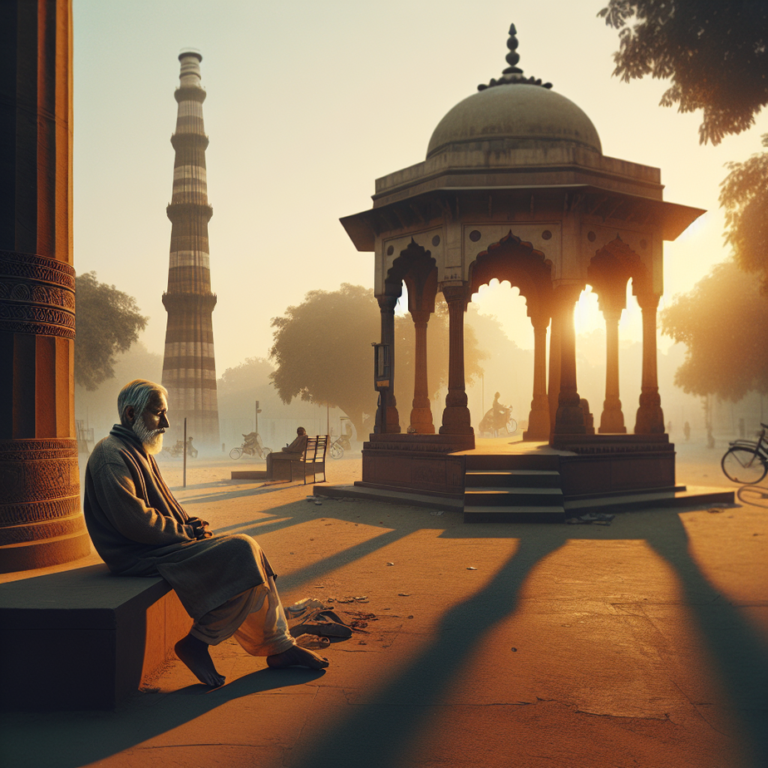
New Delhi — Tired of textbooks and stuffy museums? Imagine learning Mughal history right under Chandni Chowk’s sandstone arches or decoding British-era secrets behind Connaught Place’s whitewashed pillars. Across Delhi, heritage walks are turning stuffy history lessons into immersive street-level adventures. And if you’ve heard the buzz near Lodhi Gardens on a Sunday morning, you’ll know it’s not just for posh tourists anymore. Locals, schoolkids, and bored Gen Z-ers are signing up for history with a heartbeat.
From Siraj-ud-Daulah to Selfies: Why Delhi Walks Work
Delhi’s heritage walks are rewriting how the city experiences its past. Instead of clicking through a documentary or memorising exam notes, people are walking through the relics themselves. These walks, typically led by local historians or trained guides, take participants through centuries-old monuments, back alleys, and forgotten ruins with real anecdotes, not just bullet-pointed facts. Think of it as your tuition teacher showing up in Chand Baori, armed with myth-busting trivia and old-school charm.
Take the Purana Qila night walk — it’s not just about Humayun’s legacy. You hear echoes of prison tales, Mughal betrayals, and even 1947 Partition stories that get little airtime in classrooms. And the best part? The format is casual. Small groups, walk-at-your-own-pace, often peppered with chai breaks and pop quizzes. Growing networks like Delhi Karavan, India City Walks, or TAF’s storytelling tours have made it possible for history to be less about studying and more about experiencing. For Delhiites constantly zipping past their heritage on the metro, these walks slow things down in the best way.
Ask Anyone from Karol Bagh to Saket — People Are Listening
For local families, these walks are becoming weekend rituals. Ashima, a 38-year-old homemaker from Rajouri Garden, says, “I never thought my son would be this excited about Delhi Sultanate. But after one walk in Mehrauli, he couldn’t stop talking about Alauddin Khilji’s tomb.” Students report they find it easier to recall historical facts after visiting sites in person versus reading about them in textbooks. And working professionals, burnt out from Netflix and NCR traffic, are seeing heritage walks as a kind of mental detox.
Even shopkeepers and vendors near walk routes are noticing the change. “On Sundays, there’s always a crowd near Agrasen ki Baoli now,” says a tea seller near Hailey Road. “People come with notepads, sometimes even costumes.” For local food stalls and craft sellers in areas like Hauz Khas Village and Red Fort, increased footfall from these walks means better business. It’s street-level education that’s leaving behind both tips and DMs for repeat visits.
Delhi’s Long Affair With Walking Into Its Past
The tradition of heritage walks isn’t new in Delhi, though its recent popularity has evolved. Back in the 1990s, only history pros and a few college kids dared to roam old forts with dusty guidebooks in hand. The ASI (Archaeological Survey of India) would occasionally sponsor guided tours, but they were irregular and overly academic. Now, with social media—and the “do-it-for-the-Reels” culture—these walks seep into popular consciousness. The Delhi Walk Festival of 2022 proved the hunger was real: over 5,000 participants across 20 curated walks in just two weekends.
Other Indian cities like Pune and Hyderabad also offer heritage trails, but Delhi’s scale and diversity — from Sufi shrines to Lodi-era gardens, Tughlaq ruins to British bungalows — makes its scene uniquely chaotic and rich. The city’s layered history isn’t just linear; it’s overlapping, living, and very, very expressive. Whether it’s the ruins near Jamali Kamali or the colonial vibes of Civil Lines, every lane has a story just waiting for its narrator.
So You Want to Embark on One? Here’s Your Cheat Sheet
- Start with beginner-friendly zones like Lodhi Gardens or India Gate stretches — easy walking, minimal crowd, good photo ops, and benches when your knees give up.
- Always carry a small bottle of water, wear proper walking shoes, and check if the tour includes entry fees — places like Qutub Minar require separate tickets.
- For families, look for kid-friendly storytelling walks — some guides use roleplay, scavenger hunts, or local snacks to keep young minds hooked.
📍 Spot Check: Try the Mehrauli Archaeological Park walk — accessible via Qutub Minar Metro Station (Yellow Line). Another popular route is around Kashmere Gate, with walks starting near ISBT and winding through Nicholson Cemetery and St James’ Church.
The Final Word
Here’s the thing — Delhi doesn’t need new monuments, it needs new ways to look at old ones. Heritage walks aren’t just edu-tainment; they’re a form of reclaiming the city we hurry through every day. They’re teaching us to pause between TikToks and realise, hey, there’s a 1,000-year-old mosque behind that chai tapri. Are we finally ready to stop scrolling and start strolling? You tell us.
People Also Ask
Is this officially confirmed?
Yes, but implementation on ground may vary.
Who benefits the most?
Daily commuters, students and small shop owners.
Any hidden catch?
Check timings & local enforcement.
Have something to say? Drop a comment below!
#Delhi #DelhiNCR #HistoryWalks #StudentLife #CulturalBuzz
About the Author