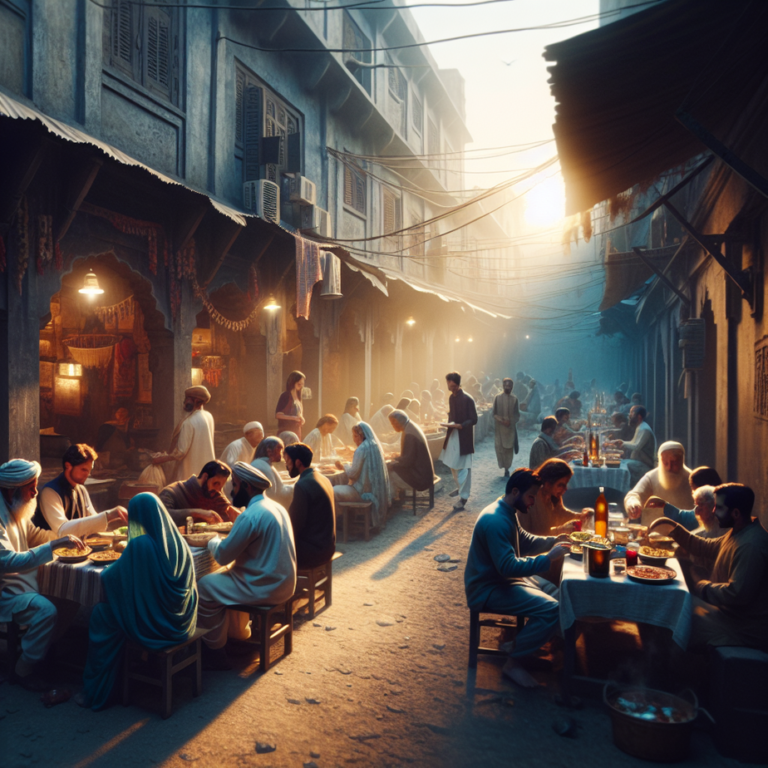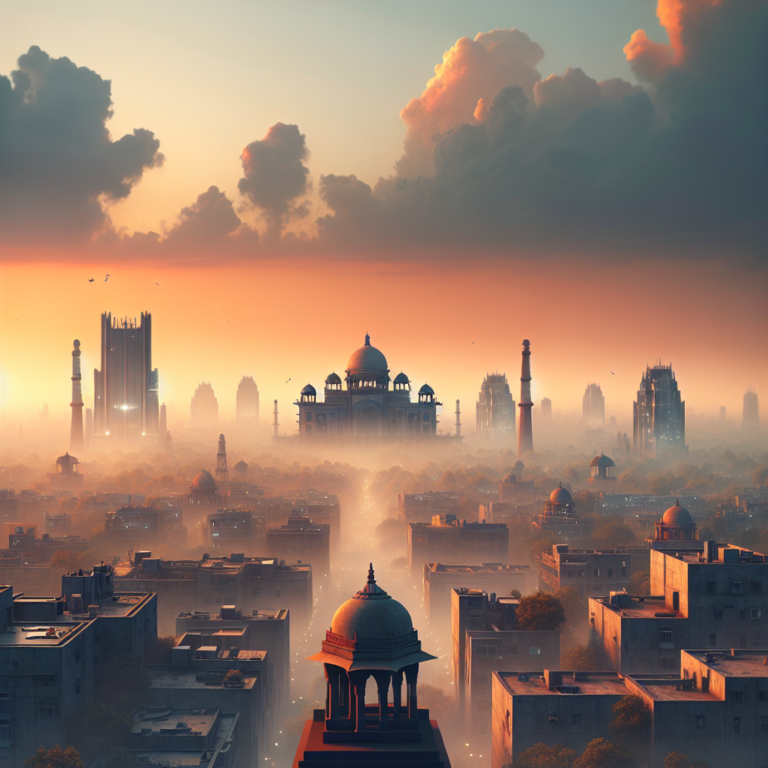
New Delhi — Imagine starting your day not with a soggy cereal bowl or reheated toast, but with piping hot nihari and melt-in-the-mouth kebabs under the shadows of ancient domes in Old Delhi. That’s exactly how one Harvard Law student—currently interning at the Supreme Court of India—is beginning her mornings. Locals are surprised and amused, but not entirely shocked. After all, Chandni Chowk is still the city’s most powerful equalizer—where high-flying interns and Chandni Mahal regulars queue for the same ladle of slow-cooked magic.
When Harvard Meets Hauz Qazi: A Breakfast Worth Waking Up For
In a city where startup founders are debating between cold-pressed juices and NATO-style calorie counting, the idea of a Harvard Law intern heading over to Chandni Chowk at 6:30 AM for nihari and kebabs hits different. According to a report, she’s making this culinary pilgrimage before beginning her day at the Supreme Court—a full-circle moment where Delhi’s oldest flavors meet India’s highest constitutional ground.
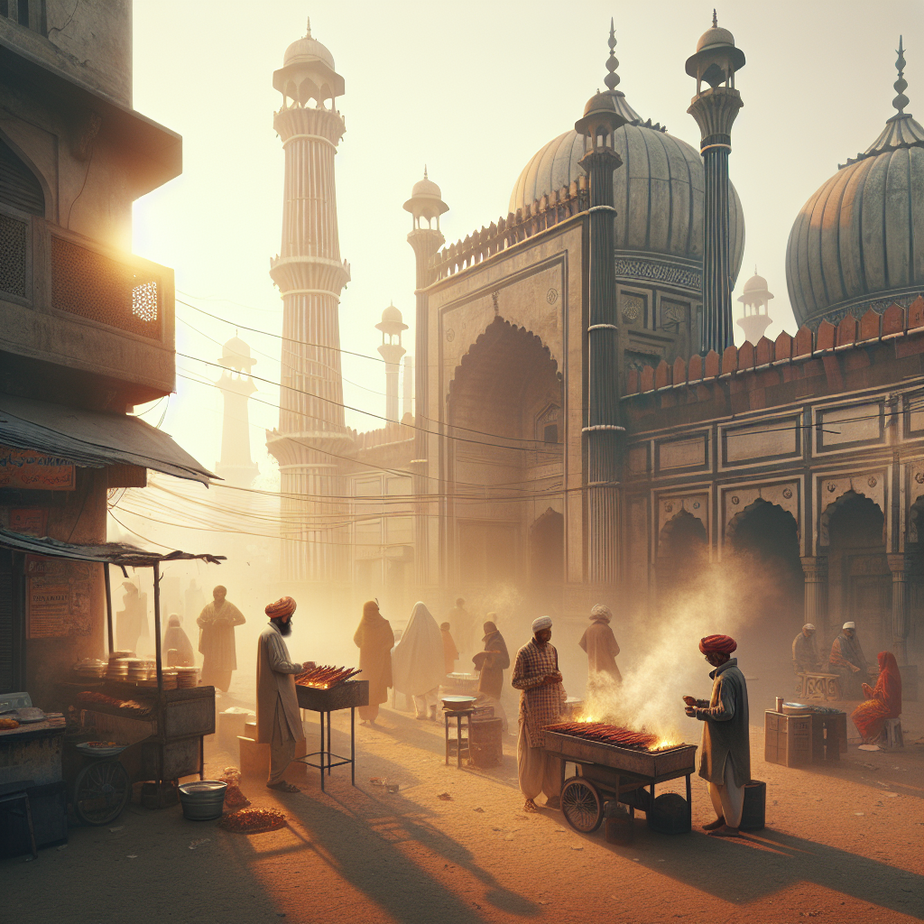
Nihari, traditionally a breakfast dish consumed after early Fajr prayers, is slow-cooked overnight and perfected by dawn. You’ll find it simmering in massive degchis near Jama Masjid, its aroma drawing both locals and adventurers alike. Combine that with skewered seekh kebabs straight off the charcoal and fresh-from-the-tandoor khameeri roti, and you’ve got a breakfast that laughs in the face of bran muffins.
Locals around Matia Mahal Lane say it’s not unheard of to see high-profile faces indulging in these dishes—though usually not interns fresh off the Harvard Yard. “Bade log bhi aate hain,” a shopkeeper near Karim’s nodded knowingly. “Par har roz aana? Wah, respect.” He gestures at the smallest table in the corner, “She sits there quietly, finishes her plate—not like TV people.”
What This Means for the Rest of Us
For Delhi residents, especially students and young professionals navigating internships across Rajpath and ITO, this story hits home. In a warped way, it gives emotional permission to ditch overpriced grab-and-go meals for something more flavorful and rooted. New Delhi’s office-goers already swear by early morning parathe wali gali runs, and this might just bring back the breakfast daura like it’s 2005 again.
Families see this as an interesting cultural flex—proof that Delhi’s culinary power is alive and well. One family from Daryaganj, overheard while waiting for their nihari, laughed, “If Harvard waale log are eating this, to hum log bhi Angrezi breakfast chor dein kya?” Students at Delhi University say it’s sparked debates about their own eating habits—some even considering pre-class breakfast runs to Chandni Chowk via the Yellow Line.
More importantly, it’s a reminder that the best parts of Delhi aren’t confined to hipster cafes in Shahpur Jat or overpriced juice bars in Gurugram. Old Delhi’s chaotic charm and culinary gems are still quietly winning hearts—Harvard, or otherwise.
This Wasn’t Just Random—Here’s the Backstory
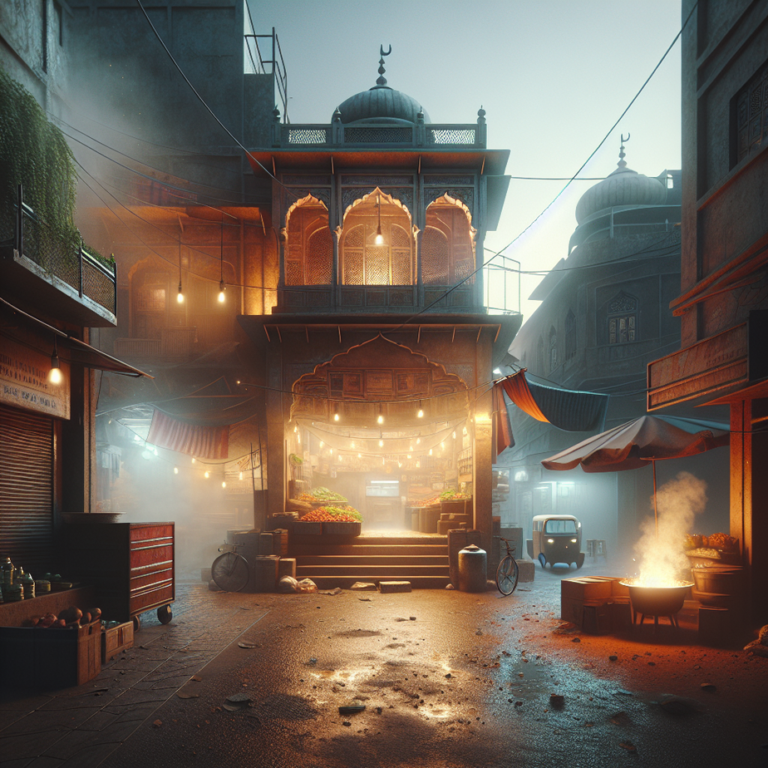
Nihari has roots tracing back to Mughal kitchens, specifically for royal warriors who needed something hearty after early prayers. Over time, the dish trickled into bylanes like Chitli Qabar and Ballimaran, and vendors began staking their legacy on biodiversity: marrow-rich nihari, buffalo-meat kebabs, and spicy steel bowls clinking by 6 AM sharp.
Historically, foreigners and expats have been enamored with Old Delhi, but rarely do they integrate it into their daily routine. This story’s got people revisiting earlier tales—like when Anthony Bourdain feasted here or when food bloggers documented Delhi-6 for the ‘gram. But the Harvard intern’s choice seems less about spectacle, and more about routine. In a city that doesn’t sleep but starts insanely early, there’s no better way to beat the Delhi blues than a 7 AM meal hot off the griddle.
Thinking of Following Her Footsteps? Here’s What To Know
- Try arriving around sunrise (6:00–6:30 AM on weekdays) to avoid wait times and ensure the nihari hasn’t sold out—places like Haji Shabrati or Al-Jawahar often run out by 8 AM.
- Take the Metro to Jama Masjid station on the Violet Line or Chandni Chowk on the Yellow Line; from there, auto-rickshaw or walk into the food lanes—walkability varies depending on early traffic and lane closures.
- Dress light but modest—many eateries are near religious sites, and mornings can be both muggy and crowded. Pack wet wipes, napkins, and carry cash (some shops still resist UPI).
📍 Spot Check: Matia Mahal Lane near Jama Masjid, walking distance from Chawri Bazar Metro Station. Al-Jawahar, Karim’s, and Haji Shabrati are within a 300-meter radius here. Expect traffic noise, morning aazaan, and light honking from 5:45 AM onwards.
The Final Word
Whether you’re a policy bigwig or prepping for your next UPSC prelims, the idea that a Harvard intern chooses nihari over Nutella should stir something in you. There’s a kind of poetry in seeing a centuries-old dish providing fuel for today’s legal minds. Maybe Old Delhi isn’t just about nostalgia—it’s about nourishment, grounding, and building stamina for the modern chaos that is life in the Capital. So, the next time you’re hitting snooze on your Uber Eats order, ask yourself—what can you smell simmering in the lanes of Delhi-6?
People Also Ask
Is this officially confirmed?
Yes, but implementation on ground may vary.
Who benefits the most?
Daily commuters, students and small shop owners.
Any hidden catch?
Check timings & local enforcement.
Have something to say? Drop a comment below!
#Delhi #NorthDilli #FoodieAlert #BreakfastDiaries #DailyBuzz
About the Author