New Delhi — If you thought ₹30,000 a night at The Imperial was peak luxury, think again. With global tech honchos like Sam Altman and Jensen Huang jetting into the capital, Delhi’s plushest hotels have hiked tariffs to an eye-popping ₹20 lakh per night. And no, that’s not a typo. But what does this surge mean for Dilliwalas who live, work, or hustle near these glitzy power zones?
Why Are Delhi Hotels Charging ₹20 Lakh Right Now?
Here’s the dish: Delhi’s top-tier hotels—think The Oberoi, Taj Mahal Hotel on Man Singh Road, and The Leela Palace in Chanakyapuri—have quietly jacked up room tariffs amid a flood of high-powered international arrivals. The buzz? A closed-door elite event with leaders from global tech, policy, and the AI industry, including OpenAI’s Sam Altman and Nvidia’s Jensen Huang. The event is hush-hush in nature, happening in and around Lutyens’ Delhi, the neighborhood that typically houses embassies, bureaucrats, and the city’s most exclusive addresses.
This price hike isn’t your typical supply-demand story. When an international conclave of this scale visits India’s capital, security protocols become ultra-tight, logistics get custom-planned, and accommodations? Only the best—and only a few rooms available. Hence, ₹20 lakh for a suite with a convoy-worthy driveway and biometric locks may not be that far-fetched after all. Plus, these tariffs allegedly include round-the-clock concierge service, on-premises quarantine protocols, politico-liaison access, and blackout booking policies for public registries.
How This Hits Delhiites on the Ground
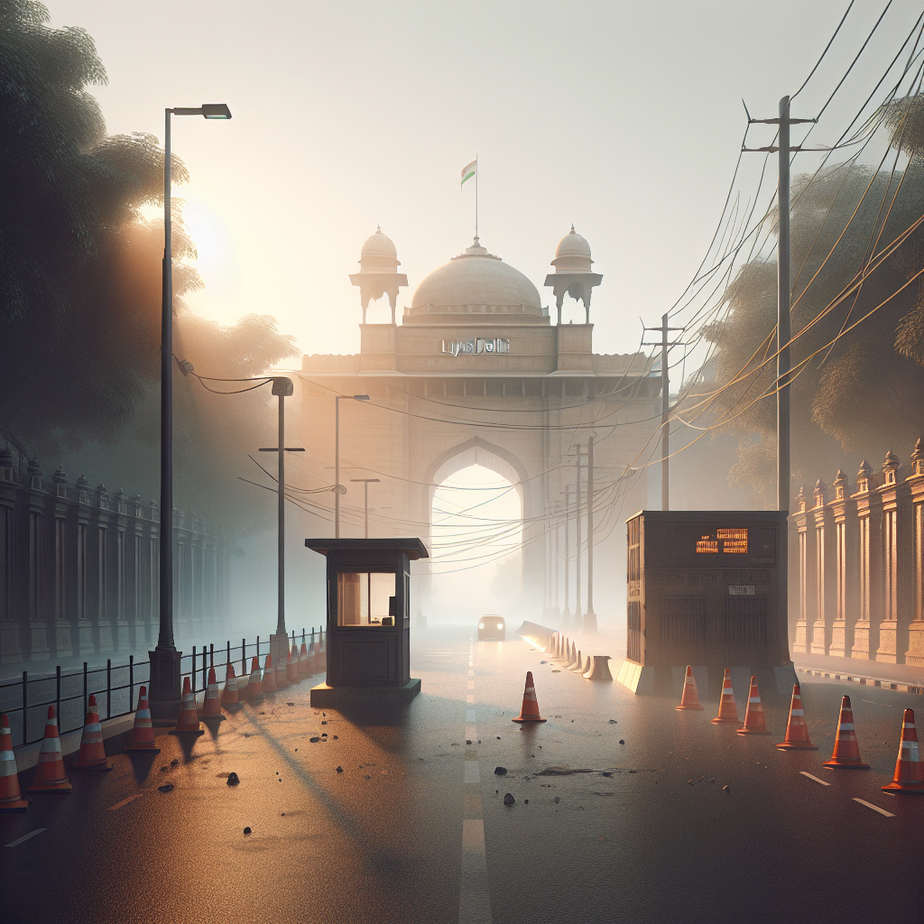
While the VIPs sip jasmine tea by rooftop infinity pools in diplomatic enclaves, the ripple effect hits everyday Dilliwalas hard. Office-goers around Janpath and Mandi House report tightened vehicle checks and longer commutes. “We weren’t told anything in advance—suddenly, there are queues at Lok Kalyan Marg metro just for a bag scan,” said a barista near Khan Market. Delivery agents are being turned away at the gates of hotels for the next few days, forcing them to find alternate drop points outside NDMC zones.
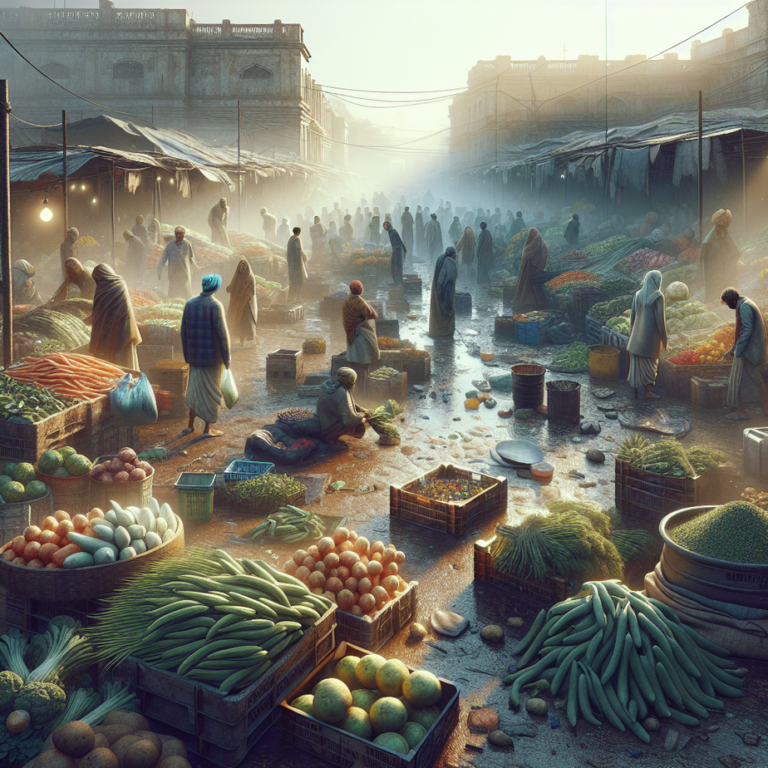
For students attending events in venues near India Habitat Centre or Sunder Nagar, the usual Uber drops are getting rerouted, sometimes doubling the fare. Daily vendors too—chaiwalas, chana-zor-garam sellers, even the nimbu-paani guy outside India Gate—are reporting fewer customers due to barricades and security staff driving away ‘unauthorized activity’. Locals say the scene is eerily quiet during the afternoons, with honking dulled down to almost zero by the traffic cops stationed every few meters. For a city used to chaos, it’s unsettling silence.
We’ve Seen Something Like This Before
If all this feels familiar, it’s because Delhi has played host to mega events before—from Obama’s India visit in 2010 to last year’s G20 Summit. Back then, a similar spike in tariffs was the talk of Karol Bagh and Daryaganj. However, ₹20 lakh per night is a clear new record. In comparison, even during wedding season or VIP weddings in Aerocity, suites don’t usually cross ₹5–7 lakh unless you’re hosting literal royalty or a Forbes-list billionaire. And unlike events in Mumbai where guests often spread across South Bombay and Bandra, Delhi’s power centers are tightly clustered—creating a hyper demand for limited premium inventory in Chanakyapuri and Central Delhi.
If You’re Near the Zone, Here’s What To Do
- Check Google Maps before leaving for Connaught Place, India Gate, or Janpath—the routes are changing hourly. Red patches are real.
- If you have errands or events near embassy zones (Shantipath-Chexagon area), carry your ID and expect longer wait times.
- For outstation tourists, skip luxury hotels this week. Head to South Delhi’s boutique hotels near Hauz Khas or Greater Kailash for less-crowded stays.
📍 Spot Check: The Oberoi New Delhi (Dr. Zakir Hussain Marg), Taj Mahal Hotel (close to Khan Market metro station), and The Leela Palace (near AIIMS and Sarojini Nagar) are among the affected hotspots. Lutyens’ zones near Janpath and Hyderabad House are under enhanced surveillance. Closest metro checkpoints: Lok Kalyan Marg, Race Course Road, Khan Market.
The Final Word
Look, we get it—global summits aren’t held at dhabas. But when Delhi goes into “VIP lockdown” mode, it’s not just hotels that feel the change. From your local chai stall to your Ola driver’s route plan, everything shifts. The ₹20 lakh suite might be for someone else, but we’re the ones paying the real cost. So what do you think—should these mega-events be more considerate to the city’s rhythm? Or is the prestige worth the pause?
People Also Ask
Is this officially confirmed?
Yes, but implementation on ground may vary.
Who benefits the most?
Daily commuters, students and small shop owners.
Any hidden catch?
Check timings & local enforcement.
Have something to say? Drop a comment below!
#Delhi #DelhiNCR #LuxuryTravel #CurrentEvents #TrendingNow
About the Author