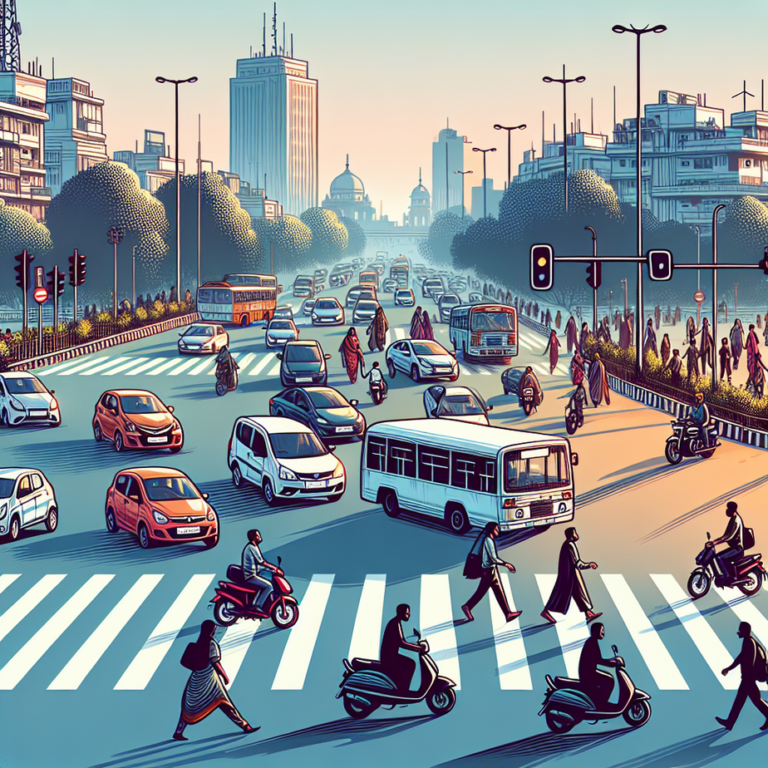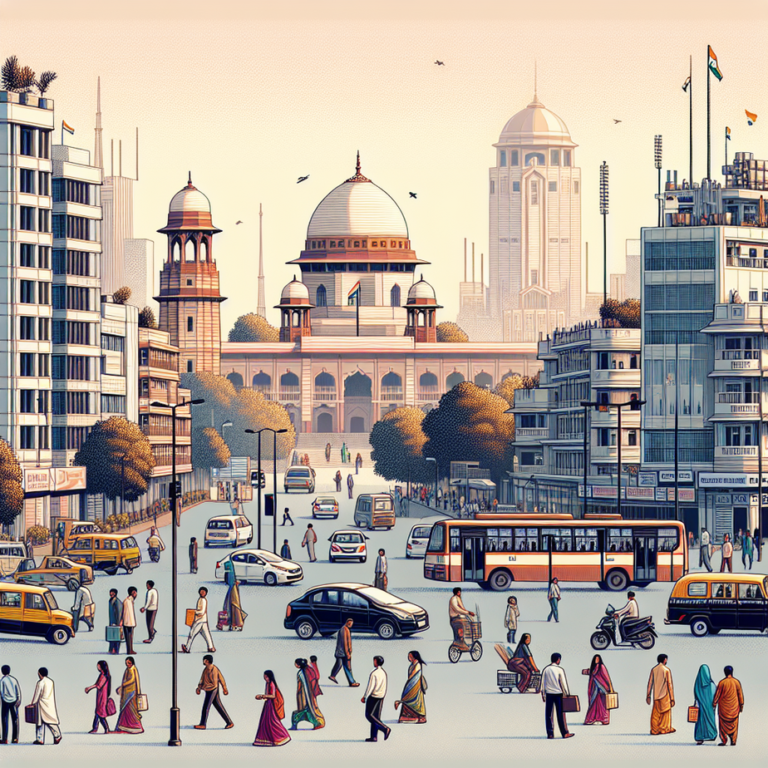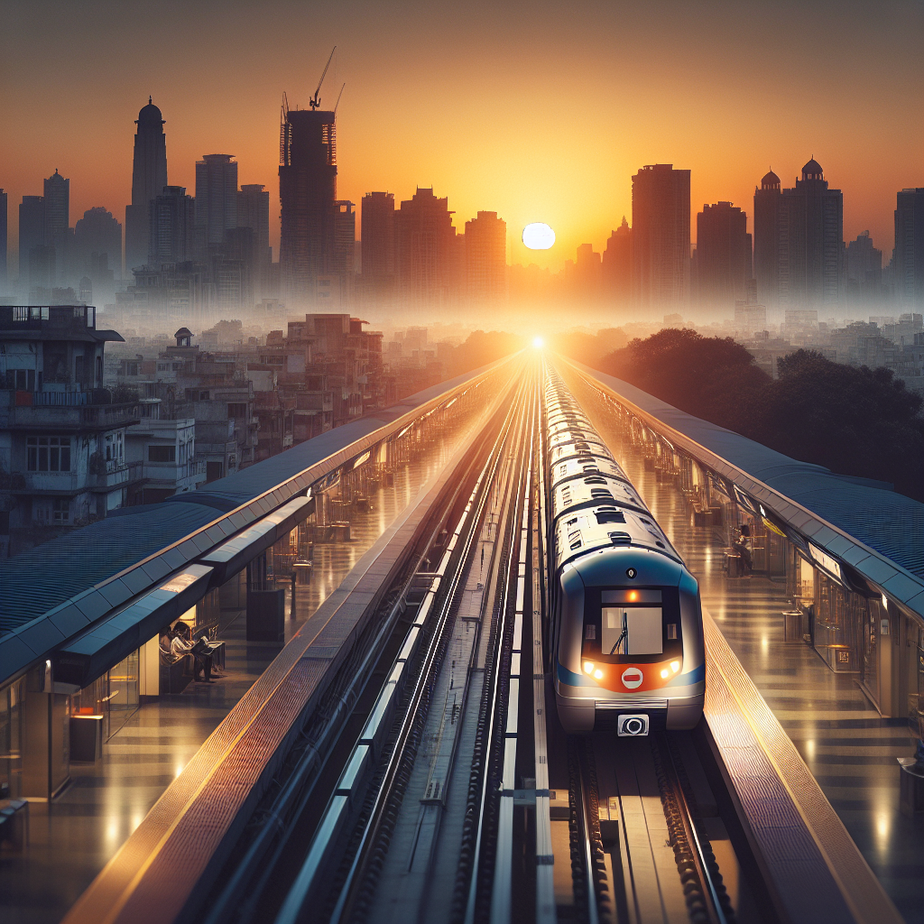
The Delhi Metro has always been more than just a transportation system—it’s a living, humming artery that connects not only places but also people, ambitions, and countless daily stories. With the recent inauguration of more stretches under Phase IV, including the ambitious Silver Line, the city is witnessing a quiet yet profound transformation. While the expansion might not carry the glamour of a celebrity scandal, it holds within it the promise of a more connected, breathable, and accessible Delhi.
The new lines, especially those extending deeper into South Delhi and touching emerging areas like Tughlakabad and Saket G Block, represent more than infrastructure. They are bridges between opportunity and aspiration. For years, certain parts of Delhi have suffered due to weak local connectivity, indirectly barring them from the benefits of the city’s economic and cultural ecosystem. These expanded lines bring with them the possibility of seamless travel, shorter commutes, and better air—both literally and metaphorically.
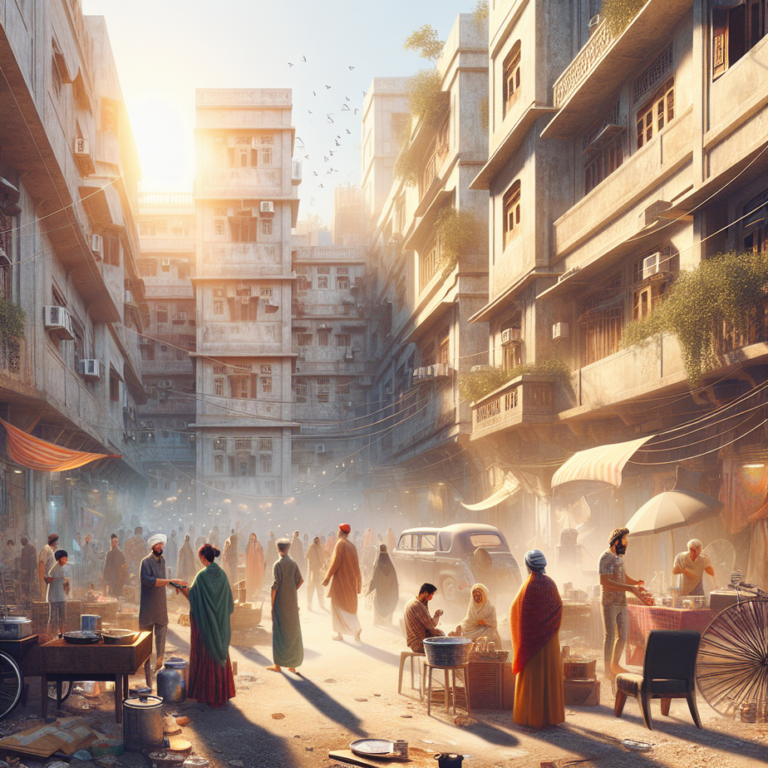
One of the more emotional victories of the new lines is the way they lend visibility and integration to forgotten colonies and worker neighbourhoods. Areas like Sangam Vihar, which have often been missing from city planning narratives, are now stepping into the mainstream picture. For the students, workers, and families living in these corners of the city, a new metro station nearby can mean the difference between a four-hour commute and a dignified daily life. It has implications not just for convenience, but for mental health, productivity, and safety.
The environmental impact is not to be undermined either. Delhi’s alarming air quality levels often dominate headlines, painfully reminding us of the costs of unchecked vehicular dependence. Metro expansion stands out as a sustainable counter-narrative. Every commuter who switches from a personal car or bike to the metro becomes part of the solution, however small their contribution might seem. Relief may not come overnight, but each kilometer of new track sows seeds of a less polluted, less chaotic future.
However, this development isn’t without challenges. The construction phase inevitably brings debris, diversions and disruptions. Local businesses sometimes suffer during the digging, and daily routines are disturbed. Yet, it’s important to look at this as a necessary discomfort—a part of long-term healing. As the saying goes, sometimes it gets worse before it gets better. The trick lies in compassionate planning and constant engagement with affected communities, something the Delhi Metro Rail Corporation has progressively improved upon over the years.
In the grander scheme, what the new metro lines teach us is this: city-building doesn’t always have to be defined by grand fountains or skyscrapers. Sometimes, real progress lies under our feet—the solid basics of mobility, cleanliness, and connectivity. They may not draw Instagram filters, but they make life smoother for the 30-year-old teacher crossing from east to south Delhi each day, or the aspiring dancer who can now make it to rehearsal on time.
As we ride the new carriages, perhaps it’s also a good moment for us, as citizens, to reflect. Maybe we can be a little more patient during the crowded evening rush. Maybe we could let that elderly uncle take the seat. These are small gestures that, like the metro itself, stitch our city closer in kindness.
Here’s to a Delhi where the metro doesn’t just move people—it lifts lives.
#DelhiMetro #CityTransformation #SustainableDelhi #NewDelhiMoves #UrbanChange2024
About the Author