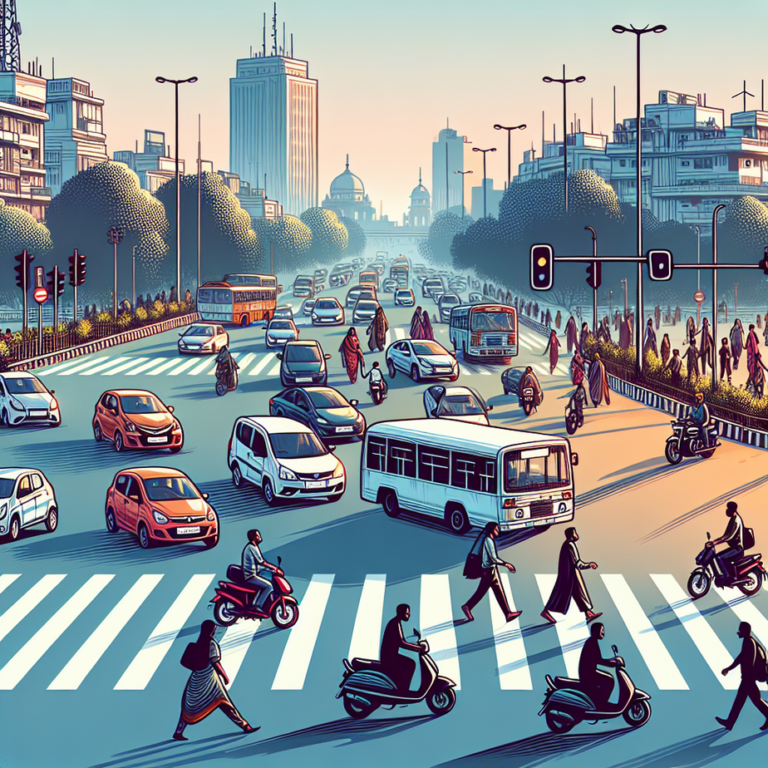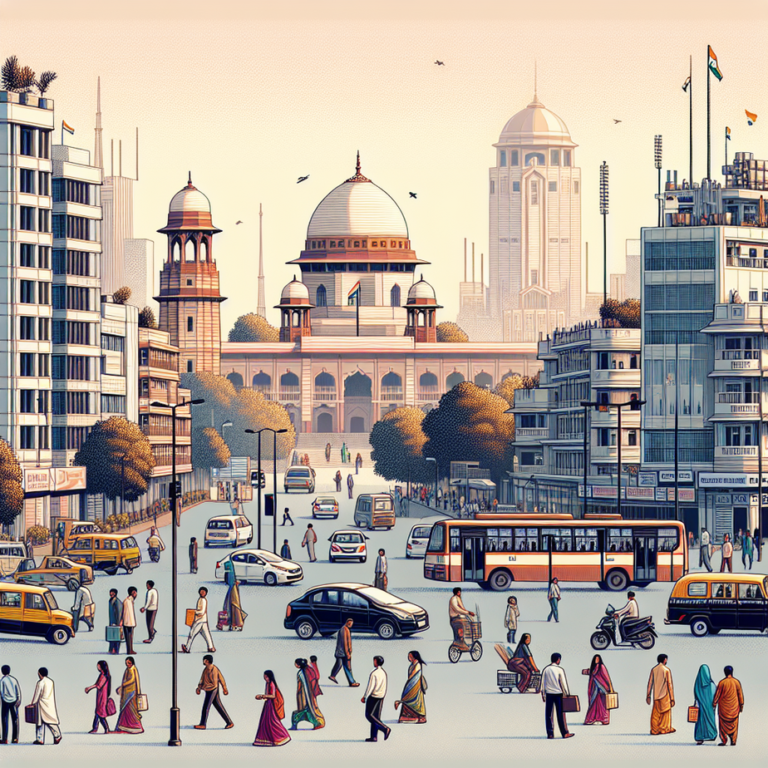
In the midst of our city’s relentless sounds—the traffic honks, construction noise, and everyday chaos—there is one quiet revolution that has steered Delhi toward a more hopeful, connected future: the Delhi Metro. Since its modest launch in December 2002, the Metro has not only become an essential mode of transportation for millions but also a subtle enabler of daily transformation across economic, social, and environmental fronts.
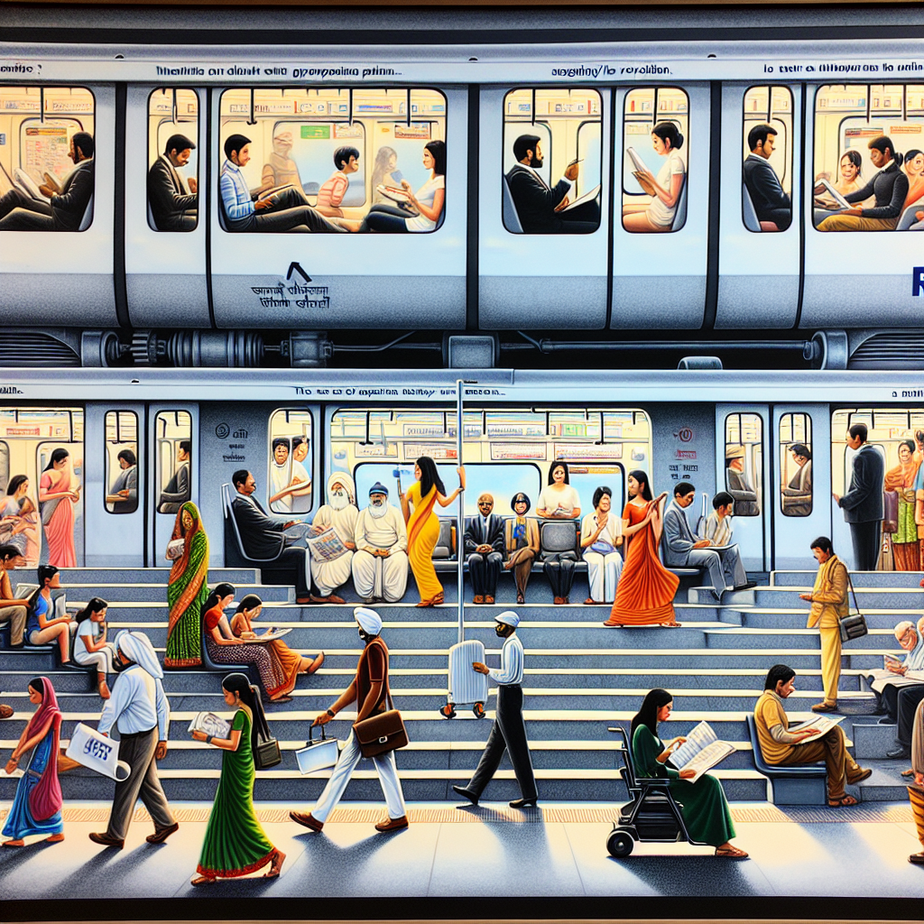
Take a ride on any line during morning hours, and you’ll see a melting pot of lives—students flipping through notes, office workers checking emails, housewives carrying bags of produce, all united by a shared rhythm of transit. What goes often unnoticed is how deeply the Metro has saturated everyday urban life with accessibility and dignity. Commutes that once spanned hours in overcrowded buses or snail-paced traffic now take fractions of the time. The efficiency it brings not only frees up time but also energy to do more, live more, and connect more.
But it isn’t just about faster commutes. The Metro has quietly become a symbol of civic pride. Where else in the city do we see orderly queues, general cleanliness, and a relative respect for space? In many ways, this underground and overground labyrinth of railways is teaching a lesson in silent citizenship. This is infrastructure that nurtures responsible public behaviour without yelling at us to behave—a rare and beautiful thing in today’s cacophonous world.
Further proof lies in how the Metro has impacted the urban design of Delhi. Properties around stations have flourished, micro-businesses operate around entrances, and entire communities have reshaped their routine according to train timings. Women, in particular, have found greater mobility and a sense of safety—not just because of the pink coaches but because of the full network’s reliability.
The recent extensions, especially toward urban villages and lesser connected areas, prove a strong commitment to inclusion. And while delays and occasional hiccups are inevitable, the bigger picture remains overwhelmingly optimistic.
So next time you step onto a Metro, perhaps take a moment to observe not just the tracks beneath or the station ahead, but the lives quietly improved all around you. The Metro isn’t just a transit system—it’s Delhi’s soft-spoken promise that progress doesn’t always need to shout to be heard.
#DelhiMetro #UrbanChange #TransformingDelhi #PublicTransportMatters #MetroLife
About the Author