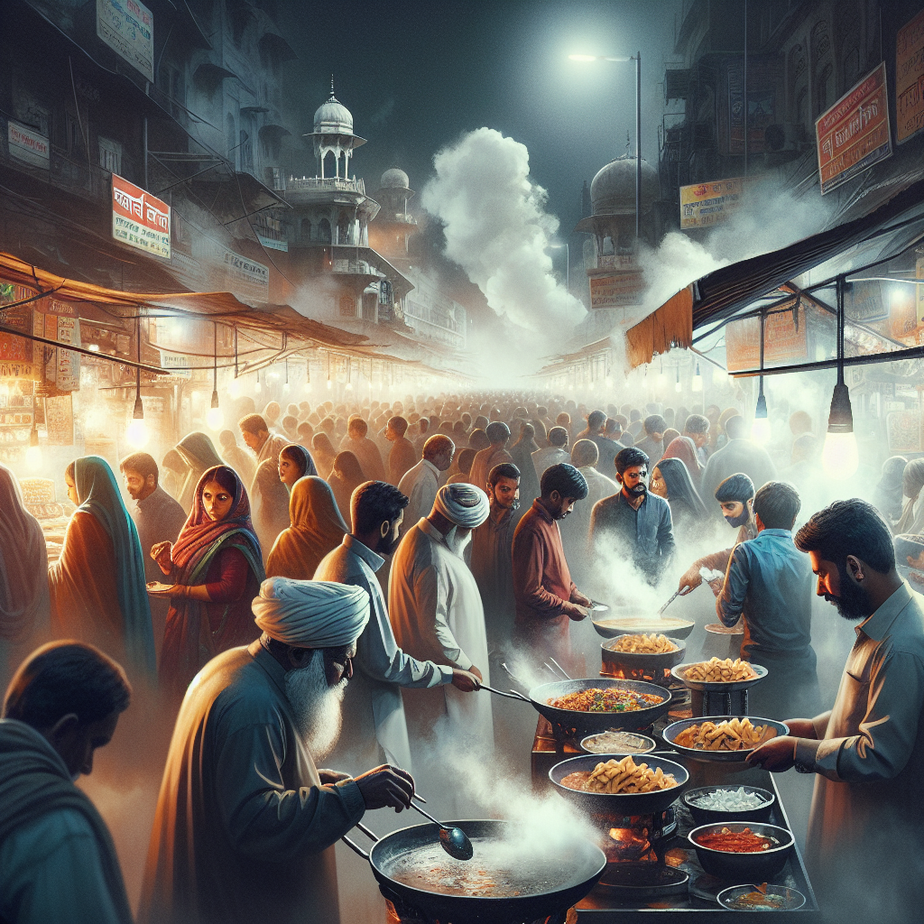
New Delhi — You don’t need a shrink when you’ve got hot kachoris near Bengali Market and some lemon-kissed kulcha roll near Lajpat Nagar. Seriously. Delhi’s street food isn’t just about hunger—it’s a coping mechanism for this city’s everyday madness. Caught between Blue Line delays and rent spirals, we’ve found redemption not through retail therapy, but right outside the Metro gate with a plastic plate of rajma chawal in hand.
Forget Yoga. Try Aloo Tikki.
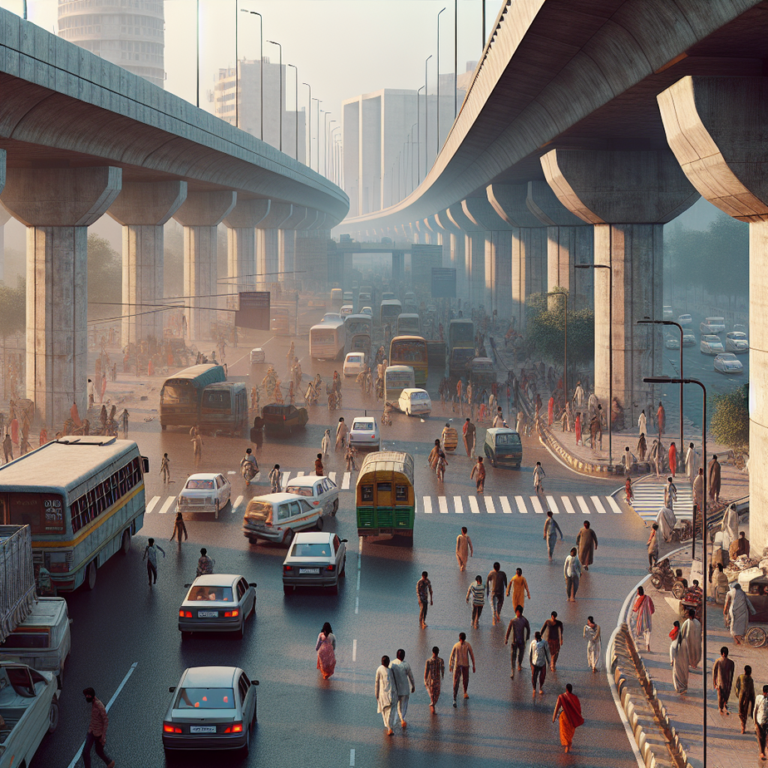
According to a recent piece from Tribune India, Delhi’s street food culture has quietly become the emotional comfort zone for lakhs of harried Dilliwalas. Not just a quick bite between meetings or an excuse to loiter outside DU hostels—street food is now being talked about as emotional grounding, the daily reset button, the 20-minute escape from work, Zoom fatigue, or Gen Z heartbreak. The joy is real and sizzling five feet away from a flyover.
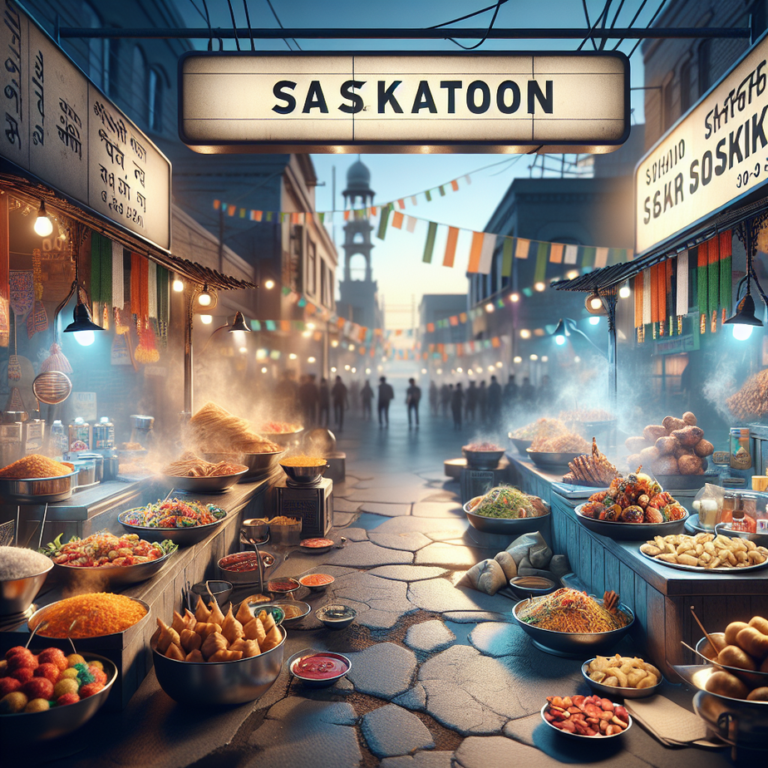
From the humble ram laddoos in Sarojini Nagar to greasy Chinese platters in Amar Colony Market, what was once called “junk” food is now being hailed for what it actually offers: nostalgia, affordability, convenience, and serious mood boosts. And we’re not even joking here—the Tribune even quoted psychologists who say comfort food stabilizes emotions with “predictability in a chaotic environment.”
Think about that the next time you’re unwrapping a golgappa with your sleeve because napkins were never part of the deal.
Your Daily Escape Route Costs ₹50
Here’s why this story hits home: food in Delhi is not just about flavor. It’s economic policy on a paper plate. For a DU student rushing between tutorial and coaching, ₹40 can get you a samosa-jalebi combo near Kamla Nagar’s Mirza Chaat. For an overworked coder from Nehru Place, there’s noodle chowmein from the guy opposite the Airtel building that tastes the same every damn time—predictably cathartic after 12 hours of screen time.
In a city that’s constantly gaslighting us with traffic, pollution, and landlords who hike your rent because “kaam zyada ho gaya painting ka,” street food is a form of silent rebellion. And no, it doesn’t require a QR code.
This is Not a New Phenomenon, Doston
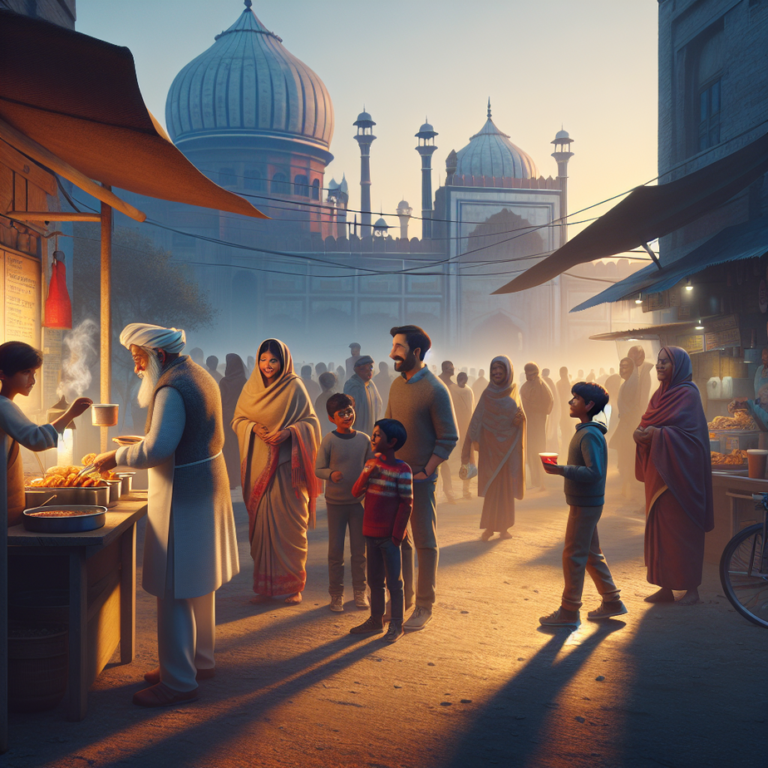
Delhi’s street food legacy has always been deeply intertwined with its survival culture. Partition-era refugees set up food carts when homes weren’t even guaranteed. Chhole bhature in Paharganj, Daulat ki chaat in Dariba Kalan—these aren’t just dishes. They’re origin stories. Even the buttery kulchas at Bittoo Tikki Wala started off from a scooter stand.
The newer gentrified world of food courts and cloud kitchens tried to sanitize it all. But what the new-age cafes can’t replicate is the thrill of juggling two plates of momo while walking through Tilak Nagar’s accessory lane. It’s a sensory explosion—and with no algorithm curating it.
📍 Spot Check:
If you’re near Rajiv Chowk Metro, head to the back lane of Palika Bazar for legendary frankies. Moolchand Metro? The paratha stalls rev up at 7 PM sharp. North Campus crowd? You already know the bhel puri guy across from Patel Chest. Find your stress-buster corner and claim it.
The Final Word
So is Delhi’s street food the antidote to our overheated, underpaid lives? Hell yes. It’s fast, affordable, and doesn’t make you fill out a feedback form. In a city this overwhelming, picking up a plate of spicy chole and standing on a dusty divider to eat it feels more healing than any wellness podcast. Your mom might not approve, your stomach may protest—but your heart? Fully sorted.
Have something to say? Drop a comment below!
#DilliKeChatkare
#StreetFoodTherapy
#KamlaNagarKhaana
#GolgappeOverGoals
#MoodSwingsAndMomos
About the Author