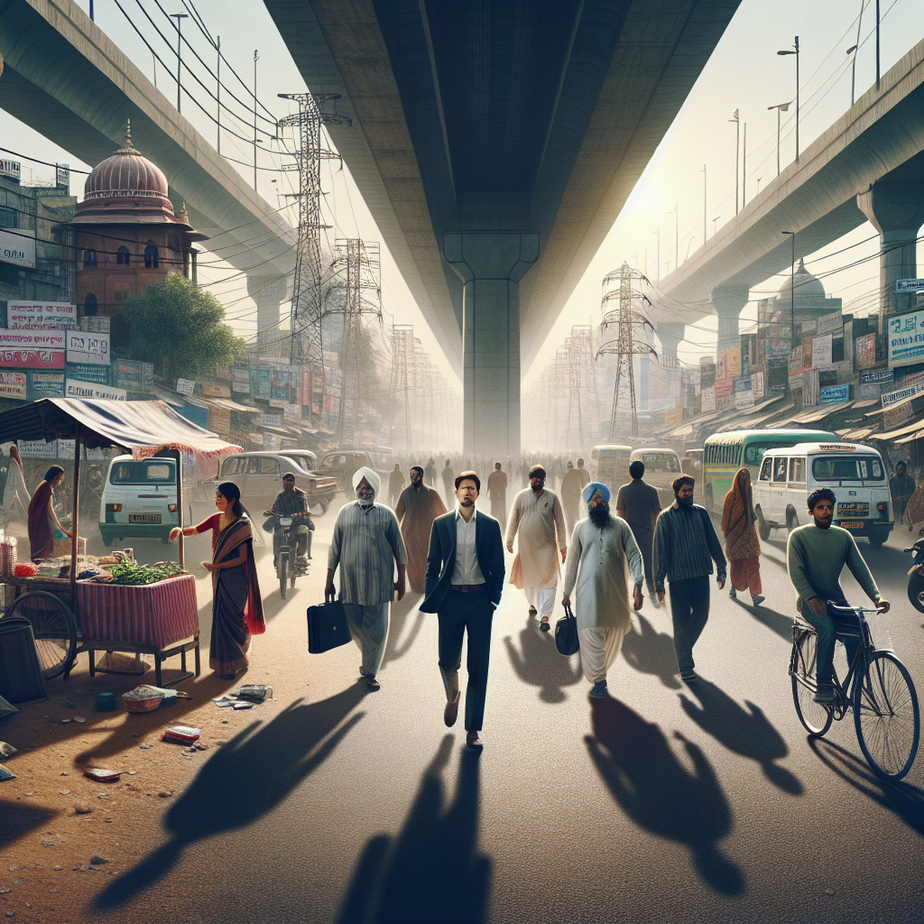
New Delhi — The air is weighed with musings as Delhi University (DU), one of the country’s most prestigious educational institutions, has imposed a ban on protests. Is this rule a move forward towards safety and discipline or shirking the freedom of expression? A thought that’s pervading every tea stall conversation around Kamla Nagar market nowadays.
The Theme of the Hour: Protest Ban at DU
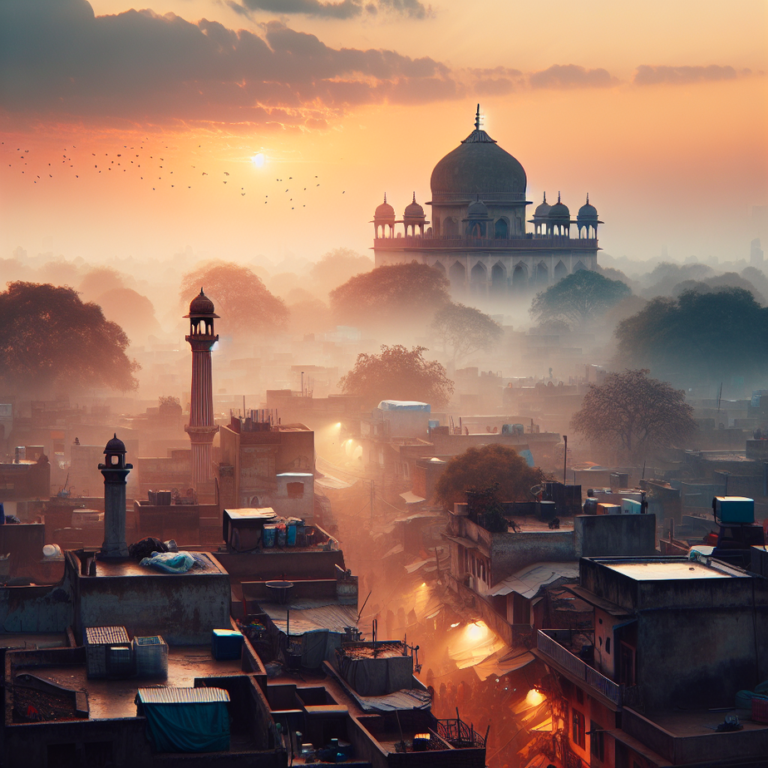
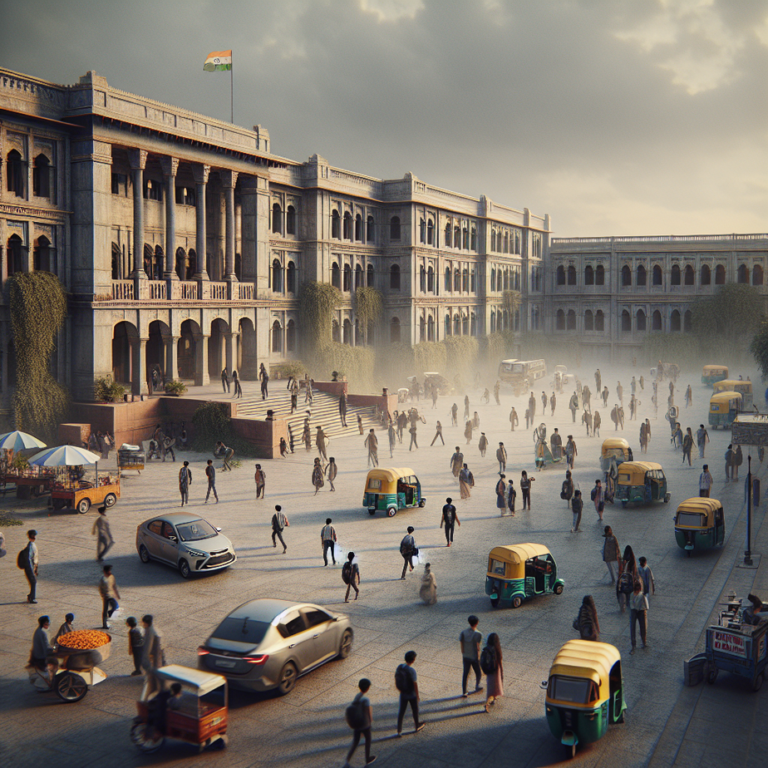
Recently, Delhi University has suspended all kinds of protests within its premises. This move, while received with applause by some section, have stirred questions among others. The university’s layout – grand historical architecture meets contemporary educational facilities amidst the Delhi hustle – has always been a haven for free thought and expression. So, this new rule has left students and faculty members at loggerheads. Apoorvanand, a critical voice among the academic circle and a professor himself, raises strong concern over this. He questions whether the administration is abdicating their duty by restraining students and faculties from voicing their concerns and ideas openly.
A Stifled Voice – Students and Locals React
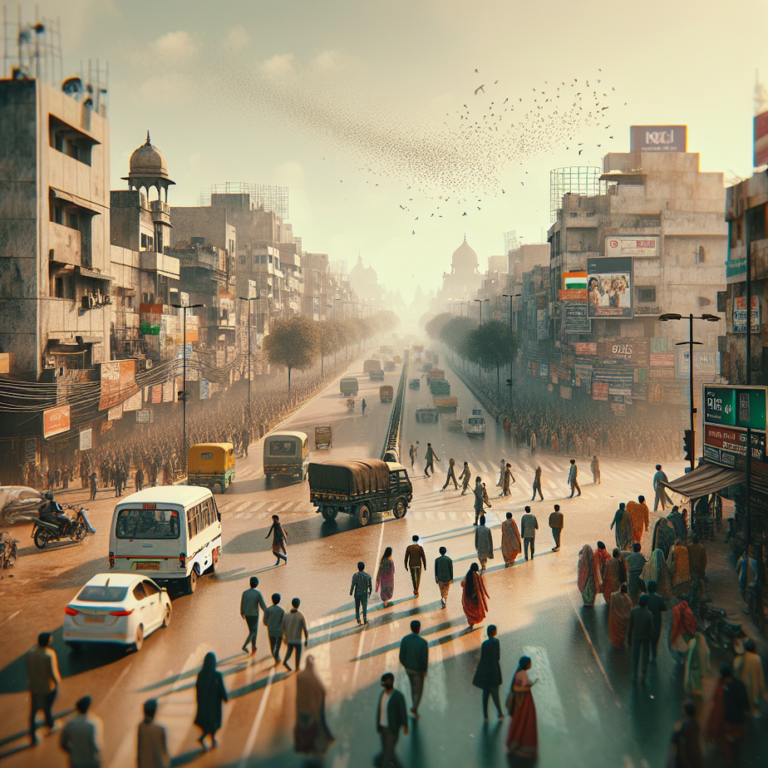
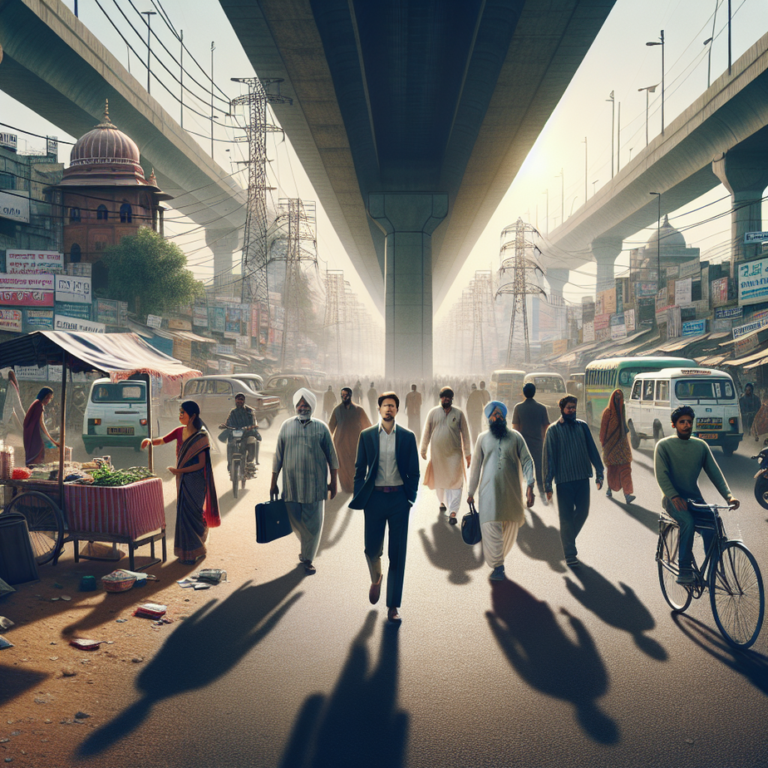
Students find themselves stripped of their fundamental right to protest. They believe that their ideas, their voice matters; it’s how they assert their individuality and shape the college culture. A second-year student at the North Campus expressed, “It’s like stuffing our mouths with kulfis from the nearby Giani’s stall, we can taste the sweetness of education, but can’t voice our opinion on how it should be served”. It’s not just students, even local tea vendors, photocopy shop workers near Vishwavidyalaya Metro Station, who have been silent spectators to numerous such protests, find the silence unnerving.
Delhi University – A Chronicle of Protests
Such confrontations between authorities and students are not new to Delhi University. Columns of its history are embedded with vibrant events marked by small and large protests. From protest against the high cut-off percentages to debates around education policies or issues affecting the entire country; the DU campus has embodied democratic spirit in its full glory. Delhi, historically, has been a melting pot of ideologies and aggressive debates, many of them evolving within university premises. So for many, this protest ban is not just a university rule but an unsettling deviation from Delhi’s intellectual tradition.
How To Navigate This New Norm
- Keep abreast with communications from the university and understand the exact implications of the prohibition on protest.
- Explore alternate ways of expressing dissent or concern. This might be through write-ups, online petitions or peaceful discussions.
- Ensure you are aware of your rights and duties as a student of the university.
📍 Spot Check: This topic is the hot discussion at every corner, from Art’s Faculty cafeteria to the chai stalls around Patel Chest Institute and the food joints at Kamla Nagar market.
The Final Word
As we delve into what this might mean for the future of student activism, the question that comes at forefront is – will this serve to quell the voice of dissent or will it further fuel the fire of rebellion? Will there be a silent campus or will the hawkers at Kamla Nagar market have more stories to share?
People Also Ask
Is this officially confirmed?
Yes, but implementation on ground may vary.
Who benefits the most?
Daily commuters, students and small shop owners.
Any hidden catch?
Check timings & local enforcement.
Have something to say? Drop a comment below!
#Delhi #NorthCampus #ProtestBanAtDU #StudentsVoice #TrendingNews
About the Author