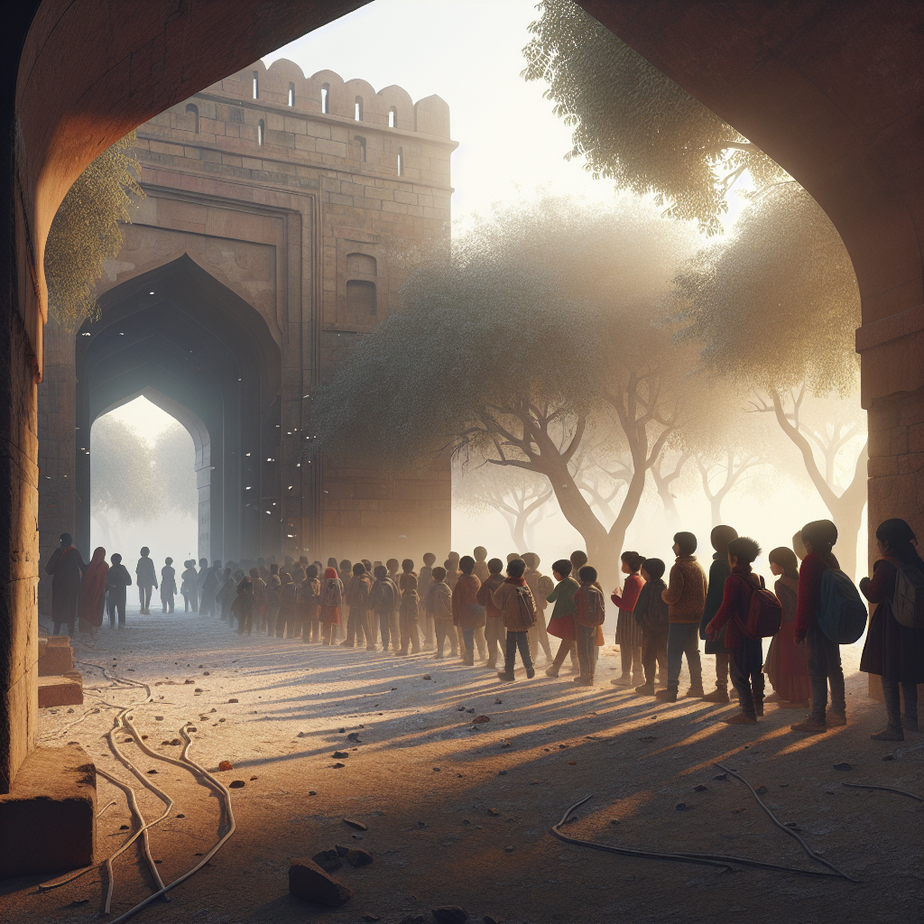
New Delhi — Ever waited 40 minutes outside Humayun’s Tomb on a cool January morning, only to find half the city had the same idea? Welcome to National Tourism Day fever in Delhi NCR, where love for India’s heritage has hit new peaks. In 2026, seven Indian heritage sites — including a few right next door — topped footfall records, sparking excitement, logistical chaos, and a handful of savvy street vendors doubling their chaat prices. So what’s pulling the crowds this year?
Seven Indian Sites, Millions of Visitors — Here’s Why
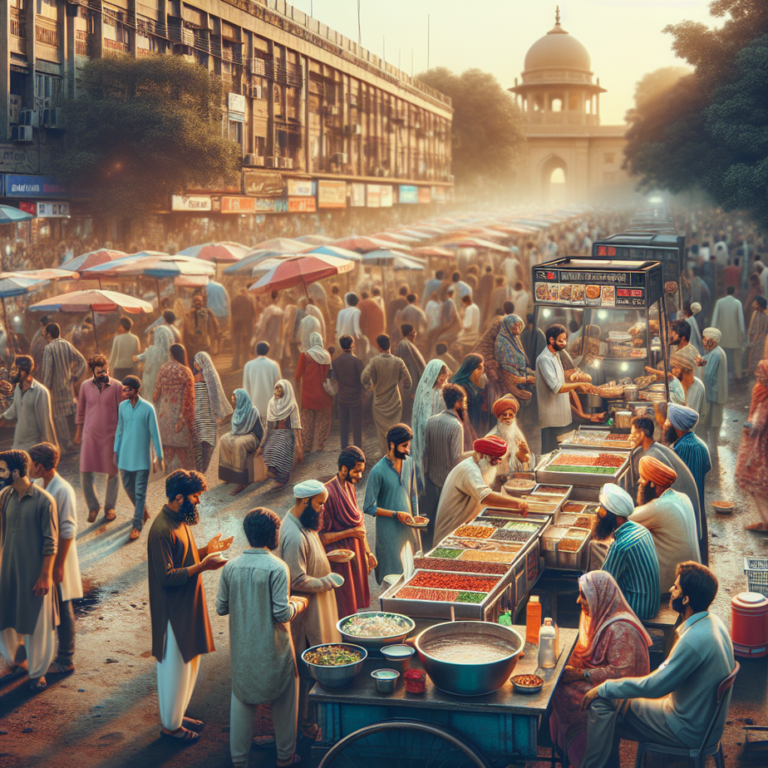
According to recent figures making waves around National Tourism Day 2026, seven key heritage sites in India have consistently set the bar for tourist footfall every single year — and yes, three of them are a short metro ride away from Delhiites. Think Agra’s Taj Mahal scraping its usual 7 million-plus mark, Jaipur’s Amber Fort clocking numbers higher than pre-lockdown records, and Delhi’s own Red Fort making it nearly impossible to get wide-angle selfies without a dozen photobombers. The key reasons? Smart tourism campaigns by the government, improved facilities at ASI-managed locations, and a communication blitz around #DekhoApnaDesh movement. Add school groups, local weekend warriors, and winter break wanderers to the mix — and you get a ticket queue that snakes past the parking lot.
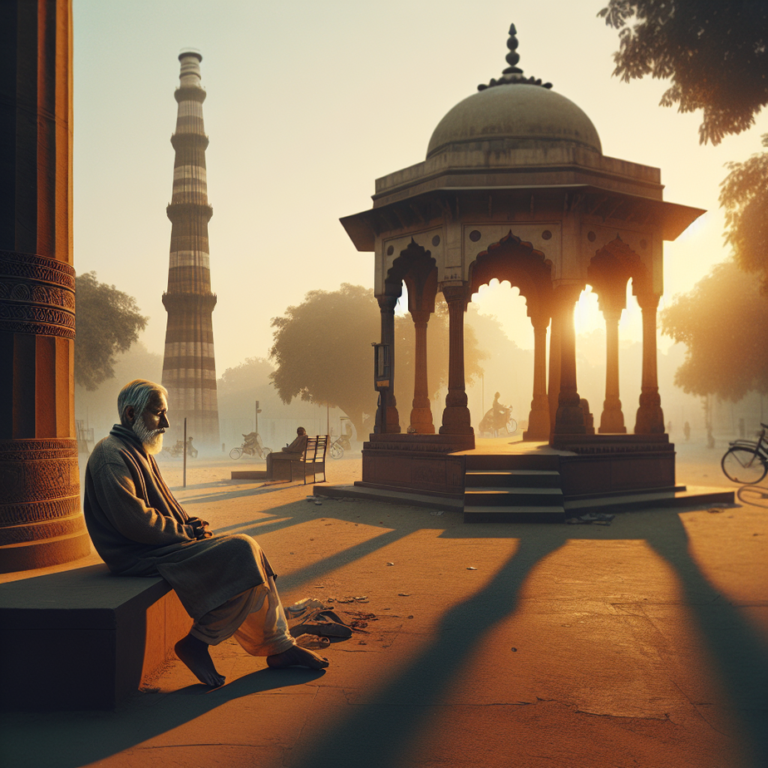
Even monuments like Qutub Minar and Safdarjung’s Tomb, once popular mostly with architecture students from DU and Jamia, are now seeing foot traffic from Gurugram families and budget backpackers. Faster metro connectivity and app-based audio guides have also made it easier for people to experience India’s past — without a dusty guidebook in hand. Sites are better lit, better maintained, and way more Instagrammable. And yes, someone’s always flying a drone until a Sardarji guard from ASI tells them off.
Why Your Biryani Run Might Be Delayed
The rising footfall isn’t just transforming weekends — it’s shifting weekday routines too. Office-goers from Cyberhub report longer Uber wait times near major heritage sites, as diversions and parking congestion become the norm. A marketing exec based near Saket said, “Humayun’s Tomb used to be our post-lunch walk zone. Now, it’s packed even at 3 PM on a Tuesday.” Even Rajiv Chowk metro regulars have noticed the spillover: guides shepherding tourists loudly in Bengali and French across Gate 5, as locals squeeze past them to find the yellow line.
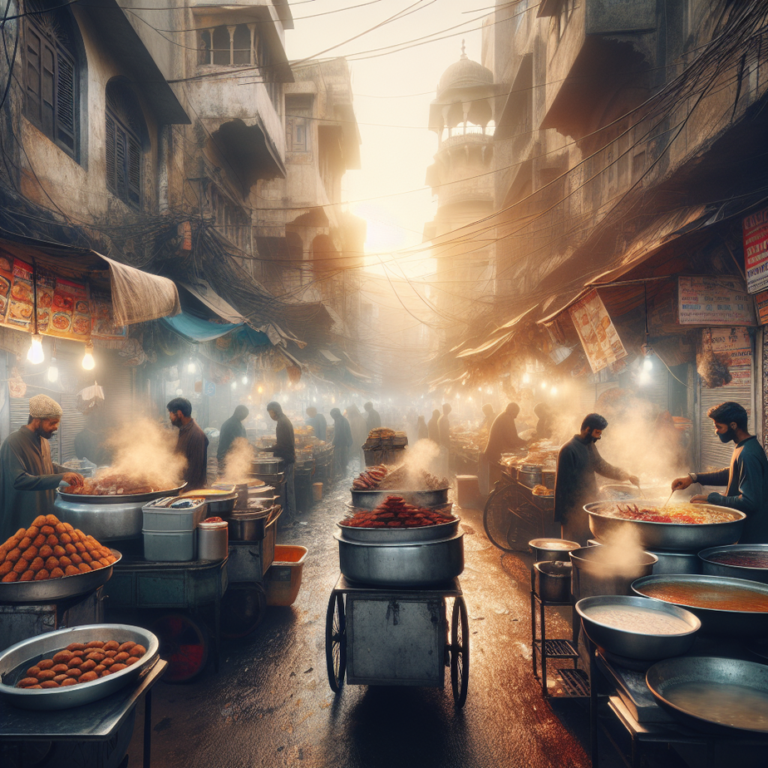
For college students from North Campus, the escalated crowds at monuments like Jama Masjid and Red Fort mean longer waits on weekends — but also opportunities. DU’s history department has started offering weekend “heritage walk mini-credits” for those attending guided sessions. Meanwhile, street vendors near these sites — kulle chaat sellers in Chandni Chowk or kulfi walas near India Gate — say that business is up at least 35% since last year. “Pichhle saal toh shaadiyon mein tha rush, ab toh foreigner log bhi dhoop mein kulfi mang rahe hain,” said a shopkeeper near Purani Dilli’s Rajghat area.
Why This Boom Was Inevitable
This shift didn’t happen overnight. Post-pandemic, India’s domestic tourism saw a purposeful push. Campaigns like “Dekho Apna Desh” and state-level tourism jackpots created urgency and curiosity among people who previously ignored their own backyard. Delhi’s heritage parks and monuments — often overlooked in favour of Goa or Manali — got a fresh wave of visitors. Compare that to the 2000s, where visiting Purana Qila was a last-resort school picnic, and you’ll see the difference.
Back then, sites operated in silos, ticketing was manual, and bathrooms were best avoided. Now? Online booking portals, walking tours coordinated with Delhi Metro stations, and even curated food trails linked to historical sites. Old Delhi’s chaotic lanes feel slightly more navigable when there’s a QR-coded signage pointing tourists to hidden gems. Annual data also matches the vibes — Delhi’s Red Fort saw nearly 3 million domestic visitors last year alone, breaking its own 2019 pre-pandemic record.
Visiting Soon? Read These First
- Go early—reach sites like Qutub Minar or Red Fort by 9 AM to avoid long lines and harsh sun exposure after 11.
- Use metro + e-rickshaw combos from stations like JLN Stadium or Chandni Chowk to avoid parking nightmares.
- Book tickets online via ASI’s website or the UMANG app. You’ll skip lines and sometimes get combo deals.
📍 Spot Check: If you’re heading to Humayun’s Tomb, get off at JLN Stadium Metro Station (Violet Line) — it’s a 12-minute walk through shady tree lanes, and chai vendors sometimes offer “heritage discounts” near the gate. For Red Fort, exit Chandni Chowk station (Yellow Line) and beware of autorickshaw drivers quoting “tourist price”.
The Final Word
Delhi isn’t just a city of 1000 years — it’s also a masterclass in how history becomes habit. As National Tourism Day 2026 reminds us, these monuments are more than photo-ops. They’re battlegrounds, love stories, laboratories and, now, cultural hotspots busy enough to rival your local Big Bazaar on a Sunday. So, whether you’re planning a solo walk through Mehrauli Archaeological Park or dragging cousins from Gurgaon to Safdarjung Tomb, do it with curiosity — and a bit of crowd strategy. Which spot do you think deserves the next footfall record? Or better yet: which underrated place should we highlight next?
People Also Ask
Is this officially confirmed?
Yes, but implementation on ground may vary.
Who benefits the most?
Daily commuters, students and small shop owners.
Any hidden catch?
Check timings & local enforcement.
Have something to say? Drop a comment below!
#Delhi #DelhiNCR #HeritageSites #TravelTips #NationalTourismDay
About the Author