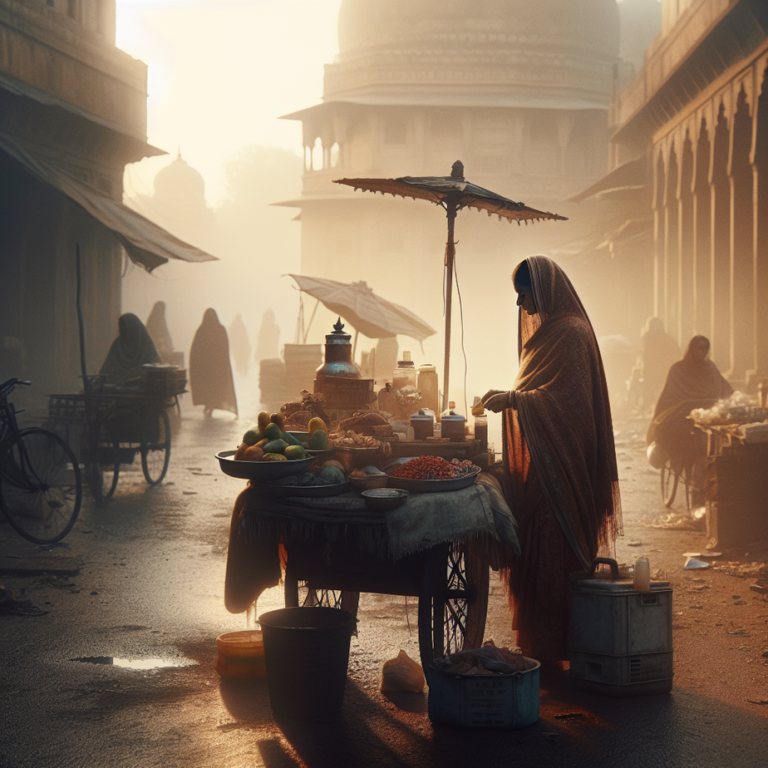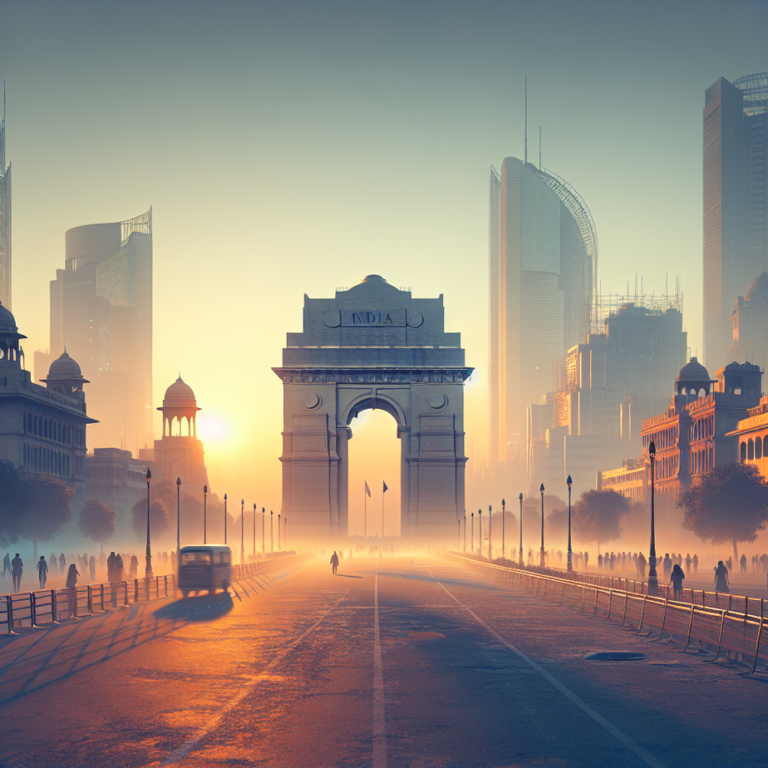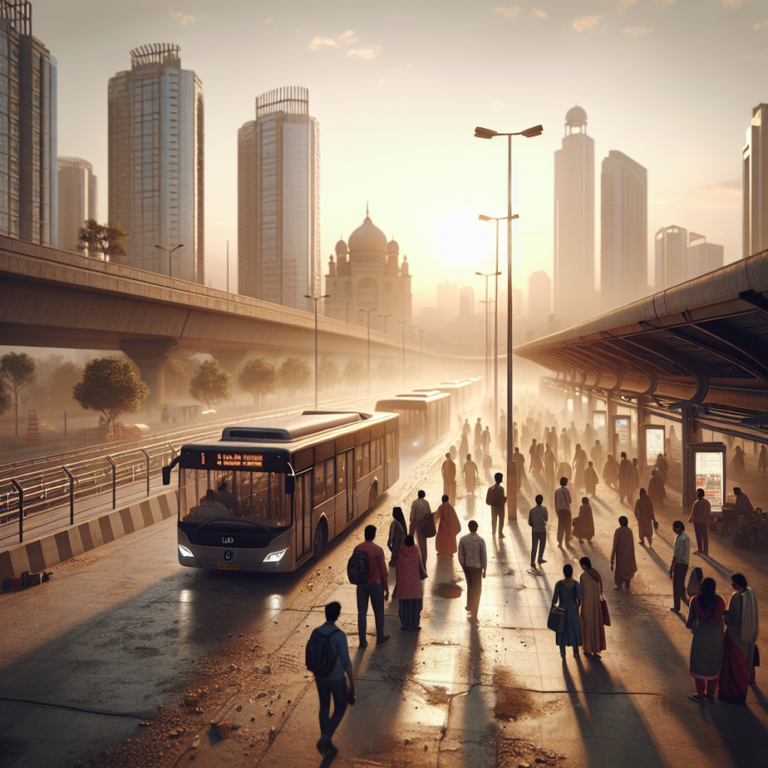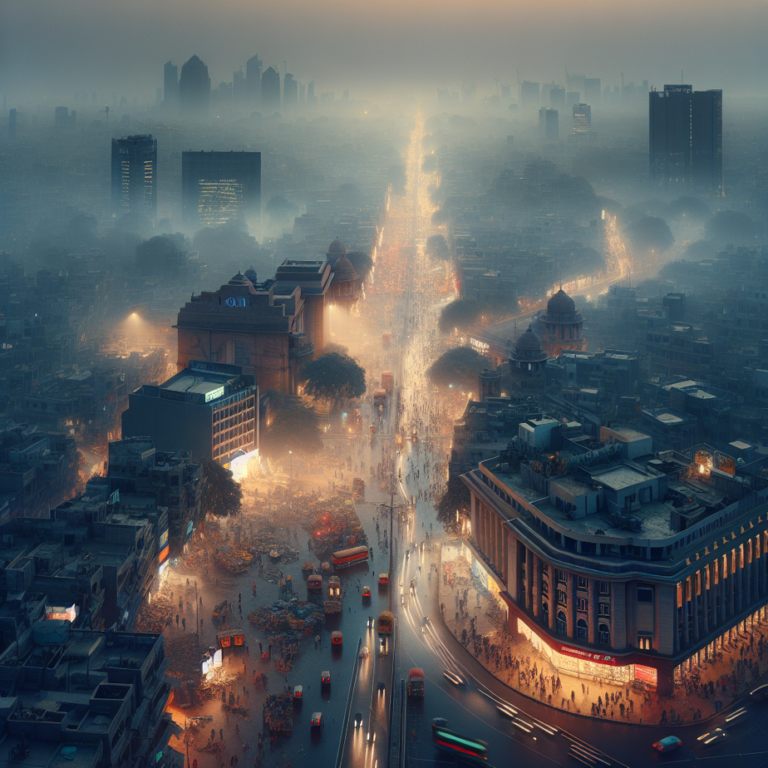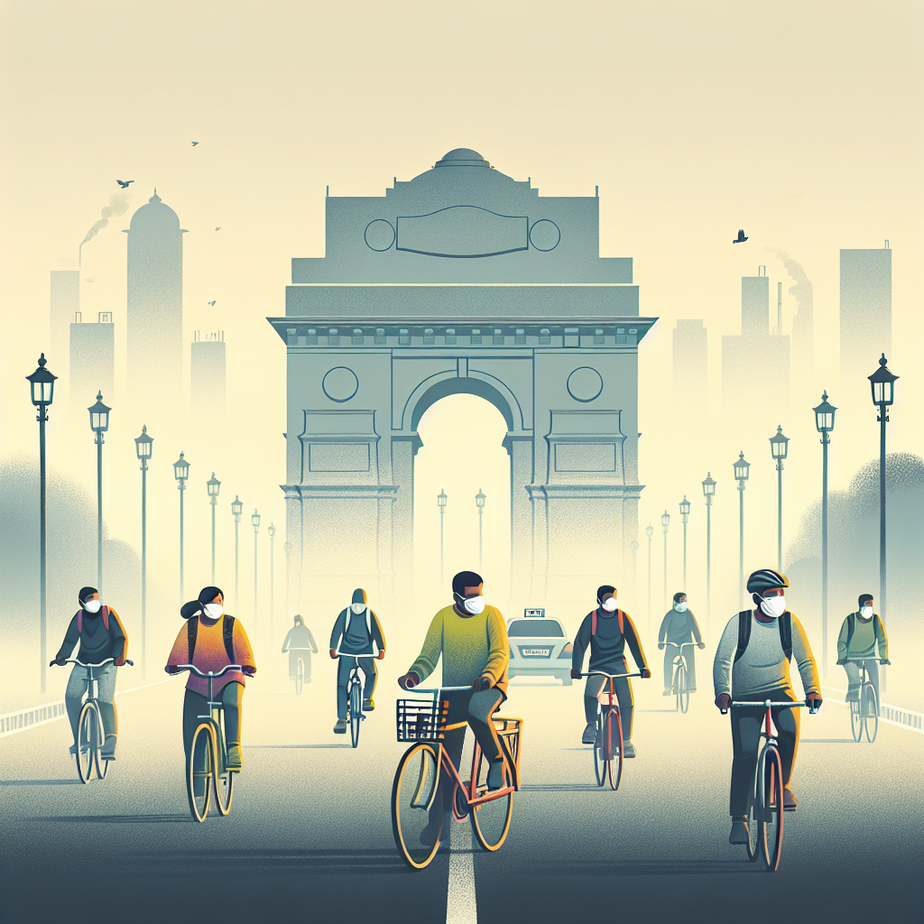
New Delhi — Stepping out of the house shouldn’t feel like walking into a gas chamber. But here we are again: itchy eyes in Lajpat Nagar, breathlessness on a morning walk near Siri Fort, and an AQI that’s not just in the red—it’s in the maroon. Delhi’s toxic air has hit emergency levels, and it’s not just “bad”—it’s catastrophic.
Choked on Arrival: AQI Explodes Past Safe Limits
According to a recent report by the Observer Research Foundation, Delhi’s air quality has reached a public health emergency level, with AQI (Air Quality Index) figures soaring above 500 in several hotspots. For context, anything over 300 is considered “hazardous,” and we’ve more than doubled that in places like Anand Vihar and Jahangirpuri. The primary culprits? The usual suspects: stubble burning in Punjab and Haryana, vehicular emissions, construction dust, and industrial smoke. But there’s a growing unease that year after year, we’re not just tolerating this—we’re normalising it.
Government interventions have kicked in. The Graded Response Action Plan (GRAP) has moved into Stage IV—the highest tier. This means a complete ban on construction and demolition in the NCR, closure of stone crushers and brick kilns, and even restrictions on trucks and diesel-powered generators. Schools have gone online (again), and the odd-even vehicle rationing system is being talked about yet again. But here’s the thing: are these measures too little, too late? Or are we stuck in an annual cycle of reactive firefighting—minus the fire or the fight?
Real People, Real Problems: This Isn’t Just About “Pollution”
Let’s forget the stats for a second. Imagine being a Delhi University student staying in a PG in Kamla Nagar—you can’t open the windows, your throat’s sore by noon, and you’re on your third strip of lozenges this week. Or think of the Uber driver who spends 10 hours around Ring Road inhaling particulate matter finer than talcum powder. Over in Noida’s Sector-63 tech hub, office-goers are buying Rs 10,000 air purifiers for their desk cubicles. One hospital in Saket reported a 20% increase in pulmonary cases in just two weeks. This isn’t just a health stat—it’s life, interrupted.
And it’s hitting wallets, too. Sales of disposable N95 masks have spiked five times at local chemists in Rajouri Garden and GK-1 M Block Market. Air purifiers are out of stock in Khan Market’s electronics showrooms, and petrol generators are getting seized due to GRAP restrictions. In short, if you breathe in Delhi, you’re paying an extra tax in health, money, and mental bandwidth.
The Great Smog Track Record: Déjà Vu or Disaster in Replay?
This isn’t Delhi’s first airpocalypse. Back in November 2016, the capital recorded the worst smog in 17 years, prompting “smog holidays” in schools. In 2018, flights were delayed due to near-zero visibility. We’ve gone from being labelled as the world’s most polluted capital to becoming the global poster child for climate inaction. The question remains: What have we actually fixed?
The problem dates back decades, with vehicular growth exploding post-1990s liberalisation, and construction booming after 2000. Crop burning gained heat (literally) after mechanised harvesting left behind stubble that farmers couldn’t afford to clear otherwise. And let’s not forget local loopholes that let diesel gensets run unchecked behind cafes and salons on Defense Colony’s main road until GRAP pans them down for a few weeks every year.
📍 Spot Check: Across the city, AQI monitors have hit critical in ITO, Punjabi Bagh, RK Puram, and near Akshardham Metro Station. Even early morning joggers in Lodhi Gardens have started wearing N95s, and ease-loving shoppers exiting Select Citywalk are now greeted with PM2.5 readings instead of parking rates.
The Final Word
It’s 2024, and we shouldn’t still be solving air pollution with WhatsApp forwards about tulsi leaves and air-purifying houseplants. While banning crackers and rationing cars grabs headlines, the deeper rot requires year-round planning—not just peak-season panic. Delhiites can’t be expected to live like seasonal migrants in their own homes. So ask yourself: Is breathing becoming a luxury in India’s capital?
Have something to say? Drop a comment below!
#DelhiAirCrisis
#BreatheDelhi
#GRAP2024
#AQIEmergency
#PollutionPanic
About the Author