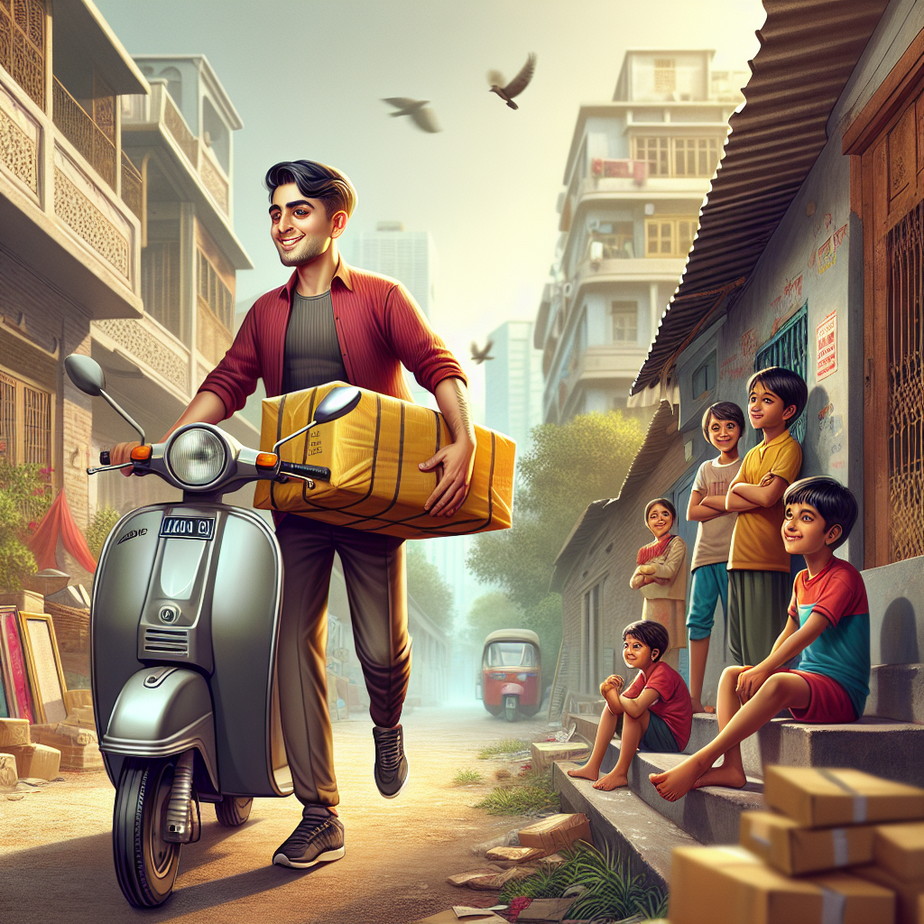
New Delhi — If you’re stuck in traffic near AIIMS and spot a delivery guy handing out ration kits instead of your Zomato order, don’t be shocked. That man could very well be Nasir, a South Delhi delivery agent-turned-samaritan, on a mission much bigger than any app. His story isn’t viral fluff — it’s the kind of everyday Delhi resilience that doesn’t make it to prime time but quietly shifts lives in bylanes you and I ignore.
The Last Wish That Became a Lifeline
Nasir Khan, 29, hails from the Okhla Industrial Area, but he’s recently become known all over Delhi’s southern stretch — from Tughlakabad to Govindpuri — for something other than fast delivery times: kindness. After losing his father to COVID-19 in 2021, Nasir discovered a scribbled note left behind — not a will or a bank passbook, but a line that simply read, “Beta, kisi bhooke ko khana zaroor dena.” That line changed everything.
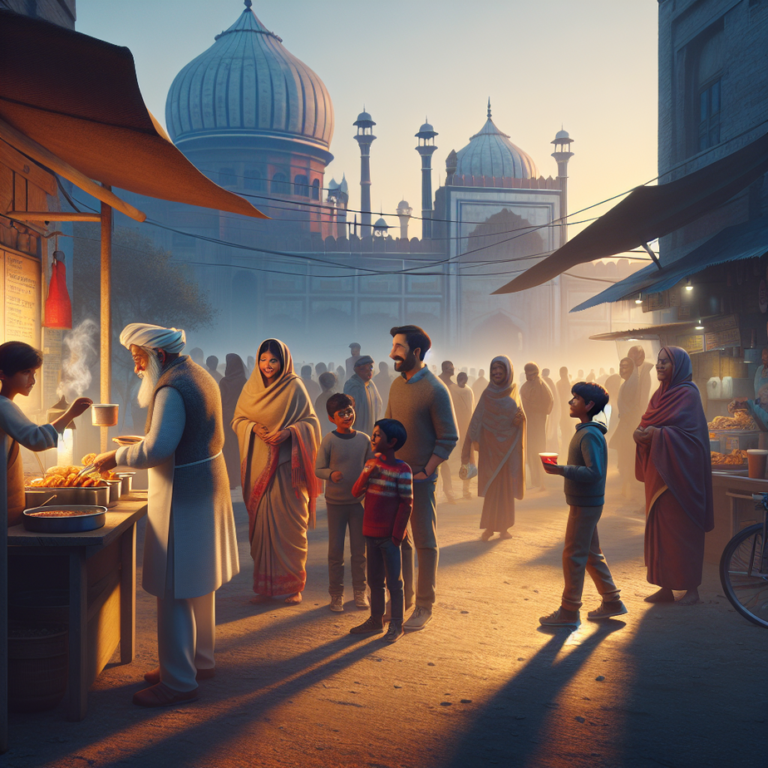
Since then, Nasir has taken it upon himself to feed the hungry, using his meagre delivery earnings to buy dry ration kits. Every Friday evening post-shift, and every Sunday morning like clockwork, he ties plastic bags filled with dal, rice, oil, and salt to his old Activa and rides through underserved colonies. He’s not aligned with any NGO, nor does he post reels about these runs. His regular stops include the jhuggis near the Kalkaji Mandir Metro station and the daily wage settlement behind Jamia Millia Islamia Gate No. 4. His goal? To give away at least 50 ration kits each month — all funded from his own pocket, with sometimes a little help from friends, no corporate sponsors in sight.
Why It Actually Matters — Especially in 2024 Delhi
This isn’t just a feel-good anecdote. With the price of onions back up to ₹45/kg and LPG refills hitting ₹1,100 in East Delhi last week, more families than you think are slipping through the cracks. What Nasir is doing highlights a truth many policymakers gloss over — Delhi has a gaping hole in its last-mile aid efforts. Government schemes like PM Garib Kalyan Anna Yojana sound great on paper but fall flat in clusters like Madanpur Khadar where many residents don’t have updated ration cards. For a single mother near Sarita Vihar who does three homes a day, Nasir’s small packet means not having to choose between recharging a metro card or feeding her child. And unlike an NGO, he shows up without red tape — or a request for documents.
From Partition to Pandemic: Delhi’s History of People-Powered Relief
Delhi’s had its fair share of grassroots heroes. Think back to 1947, when refugee camps popped up in Purana Qila and people like Amrit Kaur led public food drives. Then came the ’84 riots — Gurdwaras across West Delhi became soup kitchens overnight. During the first COVID wave, students from DU’s Miranda House ran tiffin services for stranded migrant workers. So while Nasir’s story is rare, it’s not isolated. Delhi’s history is littered with ordinary citizens who step up when systems falter. What makes his case stand out is the absence of any organized backing — no NGO tags, no Instagram fundraisers, just sheer stubborn humanity, often funded from what would be his dinner money.
📍 Spot Check: Nasir most frequently visits areas behind Batla House, the JJ colony near Tuglaqabad Extension, and the narrow alleys behind Lajpat Nagar’s Amar Colony Market. The closest metro stops to see him in action? Try Jamia Millia Islamia (Magenta Line) or Kalkaji Mandir (Violet Line), especially on Sundays after 10 AM.
The Final Word
So here’s the deal — Nasir doesn’t want awards or media attention. He wants more hands and fewer hashtags. More eyes looking beyond Connaught Place and Khan Market. Could this be a model? Imagine if every Dominos delivery guy or Rapido driver gave out one meal a week — no, scratch that — if the rest of us matched his energy in ways we actually can. So, what’s stopping us? You know where the nearest kirana is. You know who hasn’t had a decent meal. Will you do something about it?
Have something to say? Drop a comment below!
#DelhiHeroes
#OkhlaToHeart
#DIYReliefDelhi
#NasirFeeds
#RealDilliKindness
About the Author