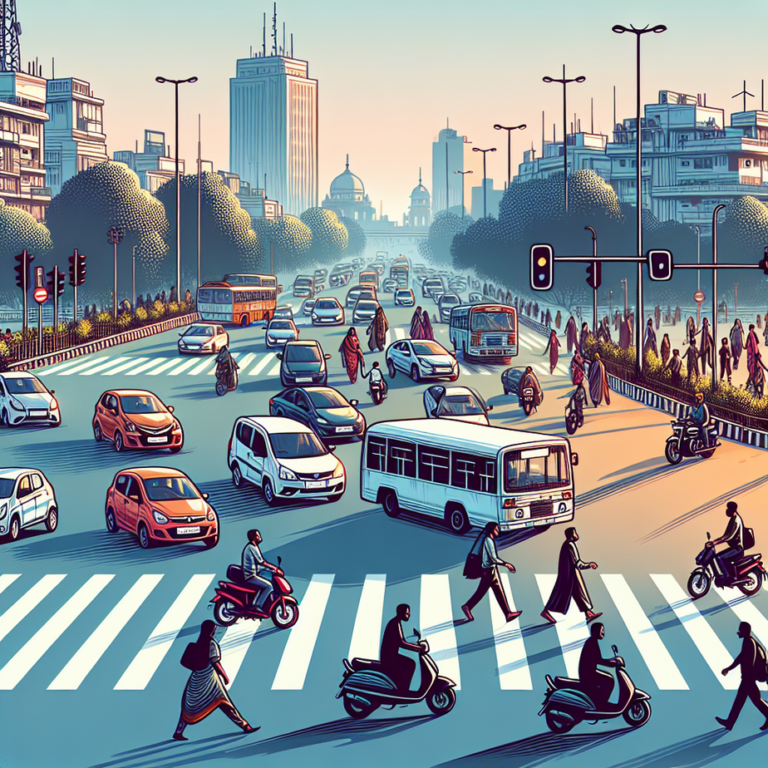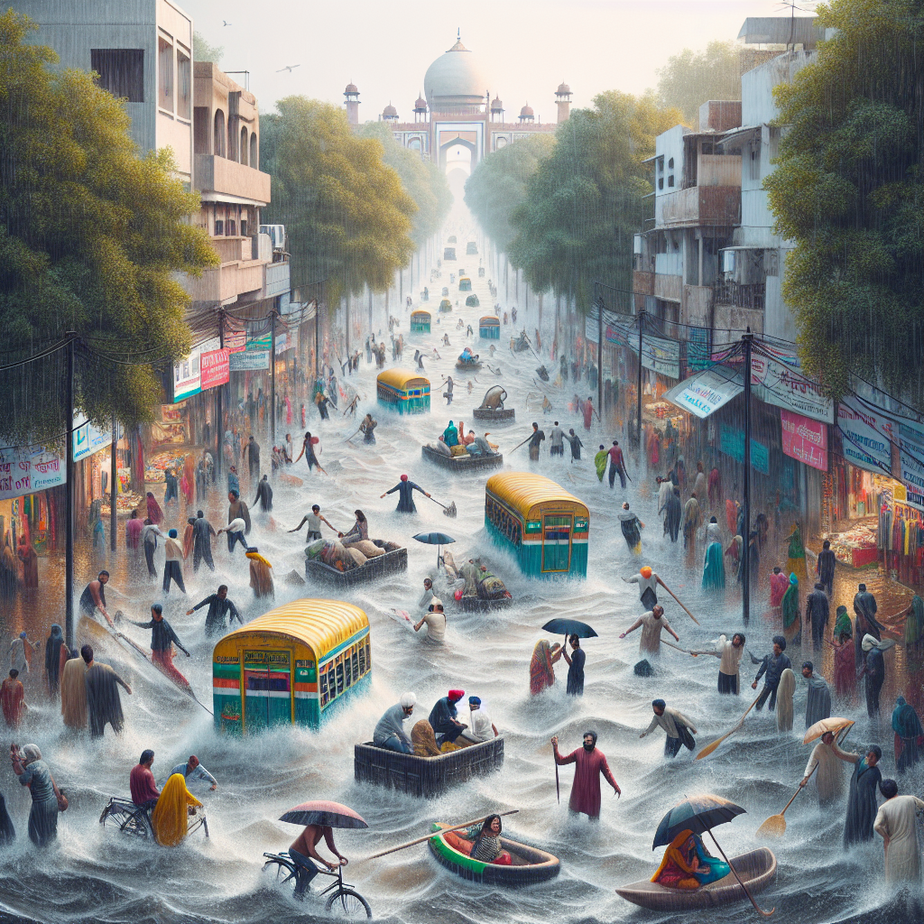
Description: Traffic chaos and waterlogging unite Delhiites during monsoon struggles.
Every year, as the first drops of monsoon hit Delhi’s parched ground, the city goes through a peculiar transformation. From dusty lanes to fresh green glimmers on tree-lined avenues, it’s undeniable that the rains bring both relief and romance. But behind the poetic shimmer of raindrops against Lutyens’ colonial architecture lies a long-standing civic challenge: waterlogging and overflowing drains that seem to have become synonymous with Delhi’s rainy season.
Just last week, areas like Minto Bridge, Delhi Gate, and the Palam-Dabri stretch were submerged after a single evening of heavy downpour. Videos of vehicles stalling mid-flyover and bikes floundering in knee-deep puddles flooded Twitter and Instagram. It’s almost become a season of viral content—Delhiites wading through streets with plastic bags taped around their shoes or auto drivers becoming local heroes for rescuing stranded commuters. It’s amusing, but also a little heartbreaking. Delhi deserves better systems.
The root cause points to outdated drainage infrastructure struggling to cope with the increased volume of rainwater, further exacerbated by frequent encroachments and unplanned urban expansion. Multiple agencies like PWD, MCD, and DJB attempt coordination, but the overlapping responsibilities often lead to delays and political blame games. While monsoon is an act of nature, the chaos it causes in a metropolis should not feel like an annual inevitability. With global climate patterns changing and urban monsoon volumes rising, Indian cities have no option but to get smarter.
There is hope though. Smart drainage mapping, rainwater harvesting incentives, and AI-based flood prediction systems are gathering momentum in urban governance discussions. Guwahati and Mumbai are piloting flood-tracking dashboards—and Delhi can easily adapt and expand on these with a stronger public-private participation model. Community-driven cleanliness drives before monsoon are also proving popular among RWAs and local NGOs, helping reduce the choking of stormwater drains.
For now, Delhiites, thank you for your patience and your shared sense of humour through this watery ordeal. If we can channel our collective frustration into community action and political accountability, maybe someday soon, we can all enjoy the monsoon as it was meant to be: a celebration of renewal, not a struggle for dry ground.
#DelhiMonsoons #WaterlogWoes #CivicChallenges #MonsoonDiaries #UrbanRainBlues
About the Author