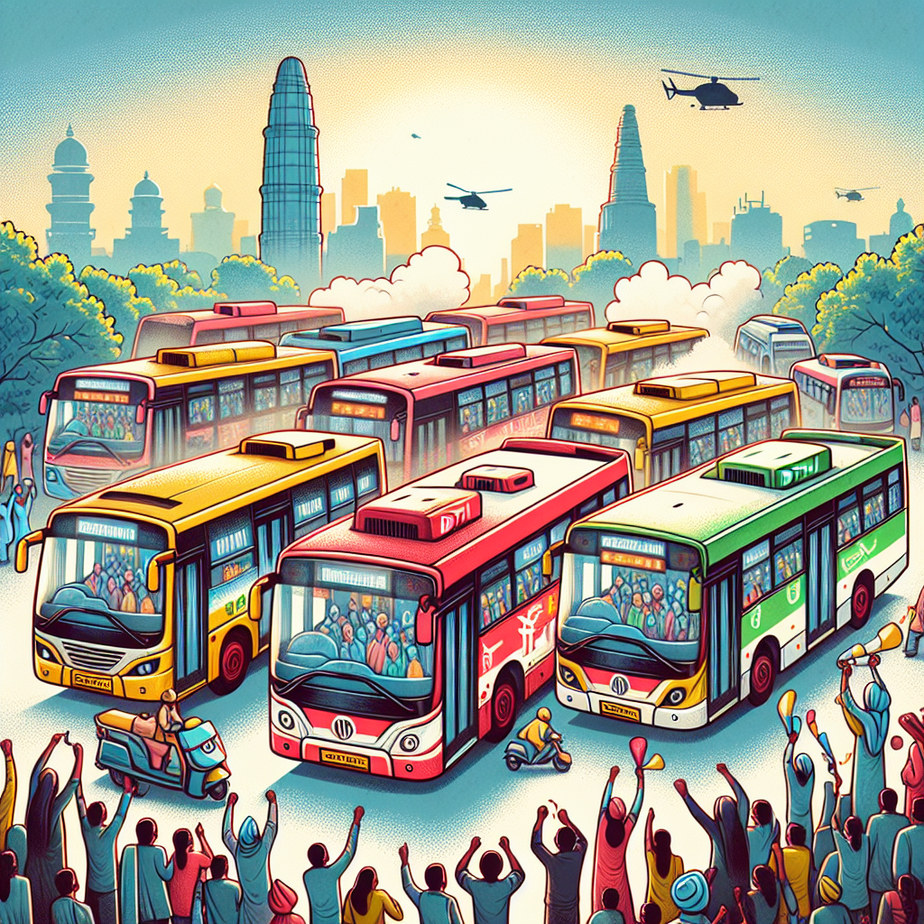
Earlier this week, Delhi quietly crossed a significant sustainability milestone—and it’s worth pausing to appreciate it. With all its concerns around pollution and traffic, the city has now become the first in India to transition its entire Delhi Transport Corporation (DTC) bus fleet to clean fuel. Every DTC bus now runs entirely on compressed natural gas (CNG), marking a rare and hopeful turn in the capital’s long-standing battle with air pollution and carbon emissions.
This announcement might have come and gone from the news cycle without major celebration, but for Delhiites who breathe the city’s air and navigate its streets daily, this is no small update—it’s a symbol of how systemic change, even when slow, is possible. Public buses are the humble arteries of any metropolitan city. They ferry students, workers, the elderly, and more across a complex web of spaces. The fact that this essential transport network is now running on a cleaner, greener fuel source is a civic win we should all acknowledge.
CNG, while not as clean as electric or hydrogen fuel, burns much cleaner than diesel and petrol. The shift to 100% CNG in a massive public fleet like Delhi’s not only reduces particulate matter in the atmosphere, but also helps in setting the stage for even smarter transitions in the near future, such as battery-operated electric buses. And in fact, the city is already trialing electric buses in parallel; this isn’t the destination—it’s a well-planned stop along the road to a greener capital.
It’s easy to be cynical about the daily irritations of Delhi’s civic realities—overflowing drains, battered roads, stifling traffic. But it’s also important to recognise progress when it happens, especially in the public sphere. The government’s sustained efforts in transitioning its public infrastructure to greener energy must be seen as a hopeful step forward. Not everything in governance has to wait for a grand occasion or ribbon-cutting ceremony. Sometimes, good news lies quietly in operational efficiency.
This move also aligns with Delhi’s broader efforts to curb pollution after multiple hazardous winters and a generally worsening Air Quality Index. Buses are just one piece of the puzzle, but when this piece clicks into place, it helps push the rest of the system toward cleaner, healthier outcomes. Citizens breathing slightly cleaner air is maybe not as dramatic a headline as battles in the Assembly or viral infractions by local celebrities, but it is undoubtedly more meaningful over the long term.
It also sends a heartening signal to other Indian cities that infrastructural change of this magnitude is possible—which is especially needed as Indian metros continue expanding in scale and complexity. The question isn’t whether problems exist; of course they do. The more powerful question is whether we are ticking away at them, and moments like these show that Delhi is indeed ticking—in the right direction.
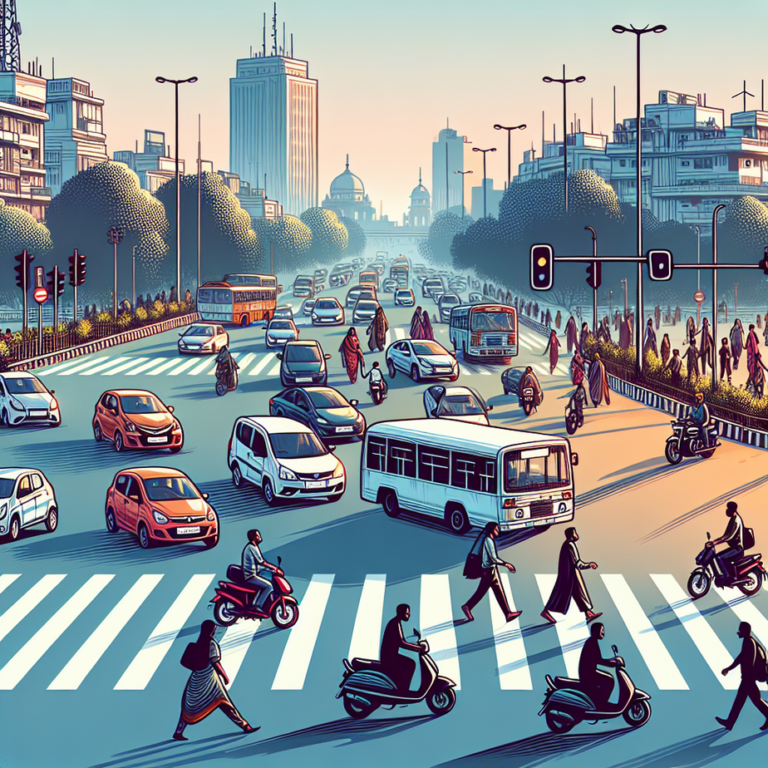
So the next time a bright red DTC bus hums by you on a congested road, know that that vehicle is no longer belching out dark diesel fumes. Know that it represents quieter progress, civic will, and a cleaner tomorrow. And perhaps, if we continue on this trajectory, there will come a day when stories like this one won’t be rare—they’ll simply be the new normal.
#CleanDelhiMoves
#DTCGoesGreen
#BreatheBetterDelhi
#PublicTransportPride
#GreenIndiaInitiative
About the Author