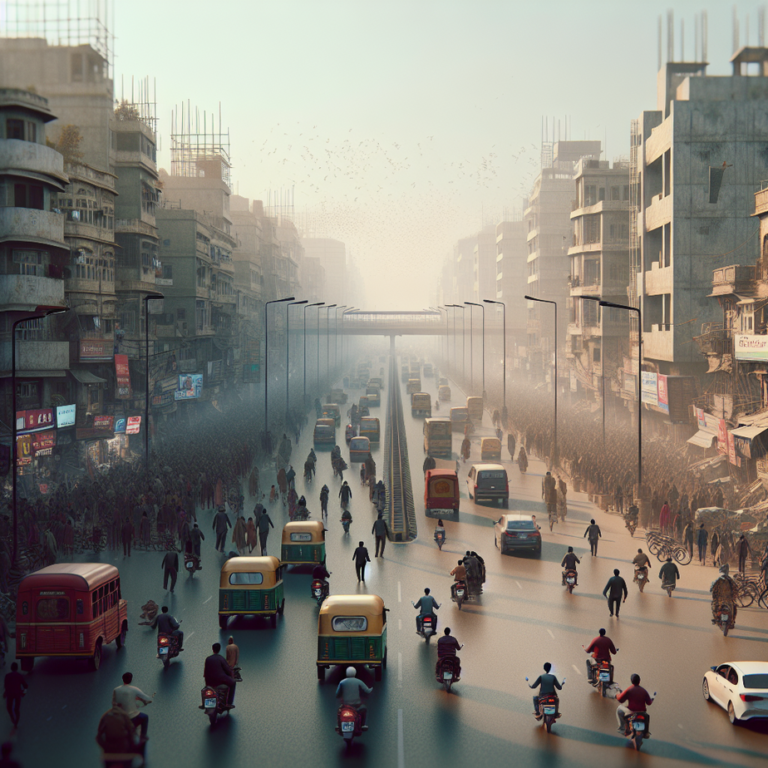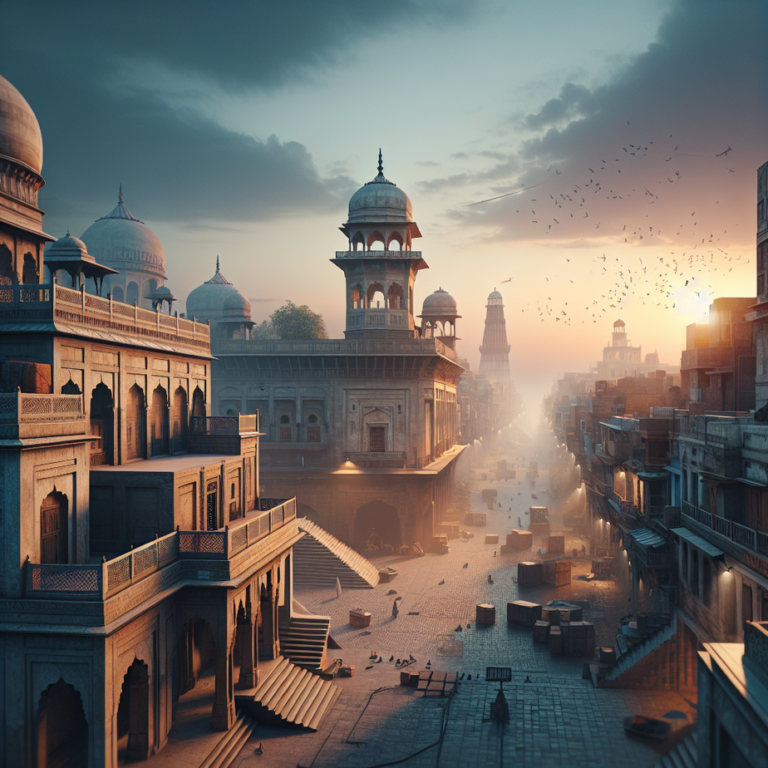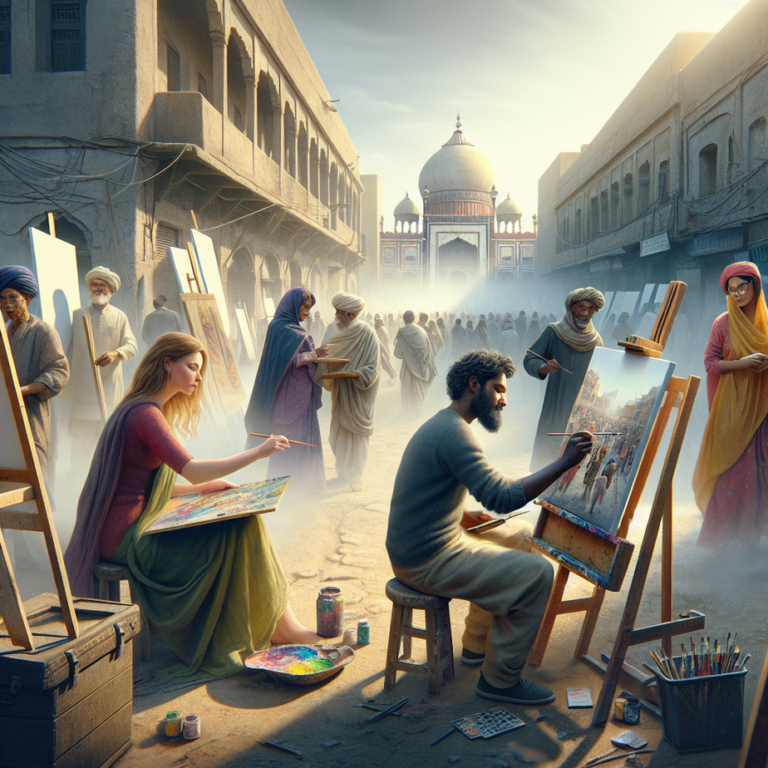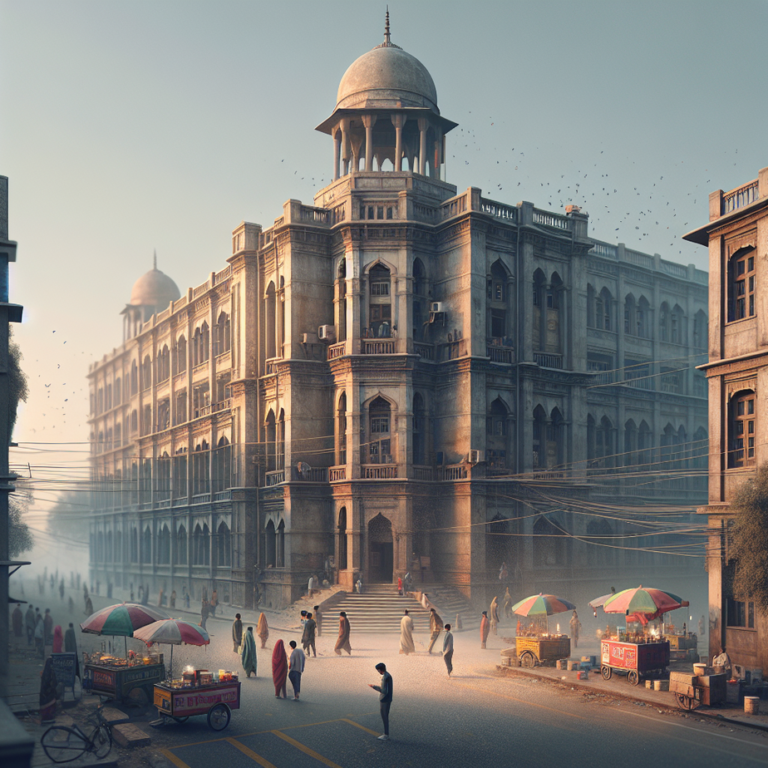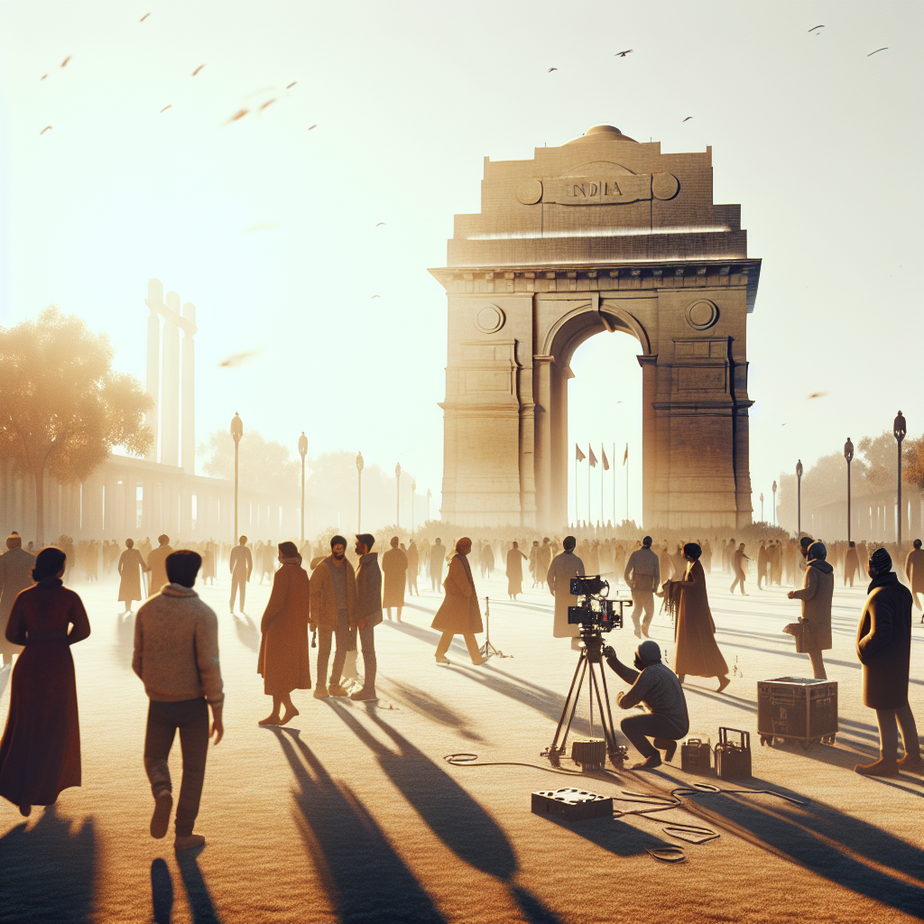
New Delhi — Ever seen a film crew smack in the middle of Hauz Khas Village or blocking traffic near Chandni Chowk and thought, “Yeh kya ho raha hai?” Well, expect more of that very soon. Delhi’s looking to become a serious player in global cinema, not just a backdrop. As the city’s representatives pitch Delhi’s new film facilitation policy at the European Film Market (EFM) in Berlin 2026, there are big implications for our streets, screens, and livelihoods.
Delhi Makes Its Pitch on the World Stage
The European Film Market is a heavyweight networking platform where global productions scout shooting destinations, funding partners, and distribution pipelines. Think Cannes meets Pragati Maidan. In Berlin this year, the Delhi government took a big swing—highlighting its updated Film Facilitation Framework alongside boasting rights about the city’s evolving tourism ecosystem. This isn’t just a promo move. Officials are actively wooing international and domestic filmmakers, promising a single-window clearance system, location scouting help, and incentives for choosing Delhi as a star performer—whether you’re after a gritty old Dilli chase scene or a shiny Vasant Kunj rom-com vibe.
The pitch is targeted and timely. With film crews previously bogged down by red tape, confusing permits, and yes, the occasional bribe-hinting babu, the new framework aims to streamline these processes. According to Delhi Tourism’s plan, they’ll help cut down application wait times for filming at protected sites like Humayun’s Tomb or Connaught Place, and provide support with crowd control and logistics. The move isn’t just about cinema—it’s about revamping the perception and usage of public spaces in Delhi. And trust me, that’s a long-overdue reboot.
Why This Affects Folks on the Ground
If you live near popular shooting zones like Agrasen ki Baoli or the winding alleys of Nizamuddin, you’ve probably already encountered sudden shooting days that block foot traffic or snarl up parking for hours. Under the new framework, the city hopes to manage those disruptions better—but they won’t disappear entirely. Locals in Mehrauli say they’ve been approached more frequently lately for property usage agreements as set locations. A shopkeeper near Janpath remarked, “Ek saal pehle tak sirf wedding shoots hote the. Ab toh log film crew leke aa jaate hain, poora area bandh kar dete hain.”
And it’s not all bad. More film projects mean more temporary local jobs—from spot boys to background extras—and better infrastructure in filming hotspots. Vendors near Rajiv Chowk metro station report higher sales during large shoots, especially if the crew is around for days. Students from mass media departments in Delhi University and Jamia Millia Islamia are also seeing this as a pipeline for internships and networking gigs. For the average Dilliwala though, be prepared: That Metro exit you always use might get cordoned off at short notice for a drone shot.
Delhi’s On-Screen Story: A Quick Look Back
Delhi’s chaotic charm has long been a magnet for filmmakers—from Mira Nair’s “Monsoon Wedding” to Dibakar Banerjee’s “Oye Lucky! Lucky Oye!”. But most of these productions had to jump through fiery hoops just to shoot in Lal Qila or Purani Dilli. Compared to more film-friendly cities like Mumbai or Hyderabad, Delhi lagged behind due to its bureaucratic maze and lack of filming infrastructure.
This is the second serious revamp attempt since the short-lived 2018 “Delhi Film Policy” which fizzled without much traction. What’s different now is the direct inclusion of tourism officials, public space creators, and digital media partners. Delhi wants not just to be the face in frame—it wants to direct some of the action. Other cities like Bhopal and Jaipur have lured key projects with incentives and smoother processes. Now it looks like Delhi is ready to one-up them—on its own chaotic terms, of course.
Planning Around the Shoot Life? Here’s What You Can Do
- Check Delhi Tourism’s website before a weekend outing—new public notices are being posted about shoot timings and blocked areas.
- If you live or run a business in a filming-prone zone (Chhatarpur, Civil Lines, Lajpat Nagar market), consider signing up for official notices or partnering for location hiring.
- Media and arts students: Watch for internship callouts from film crews or agencies now working with the Delhi Film Club and city tourism board.
📍 Spot Check: Keep your eyes open if you’re in Connaught Place, Chandni Chowk, or around India Gate—the areas most likely to see activity. Rajiv Chowk, Barakhamba Road, and Chawri Bazar Metro stations are your high-alert zones for unexpected detours.
The Final Word
This isn’t just about getting more Bollywood stars to sip masala chai near Jantar Mantar. It’s about Delhi entering the global film conversation—not just passively, but as a place that sets terms and builds creative ecosystems. Sure, there’ll be growing pains (especially if you’re trying to drive through Haus Khas on a Saturday), but more cinematic activity could mean richer local culture and more eyes on the Delhi we know and love—beyond clichés.
People Also Ask
Is this officially confirmed?
Yes, but implementation on ground may vary.
Who benefits the most?
Daily commuters, students and small shop owners.
Any hidden catch?
Check timings & local enforcement.
Which Delhi location do you think deserves more screen time? Drop your pick in the comments below!
#Delhi #ConnaughtPlace #FilmPolicy #CulturalEconomy #TrendingNow
About the Author