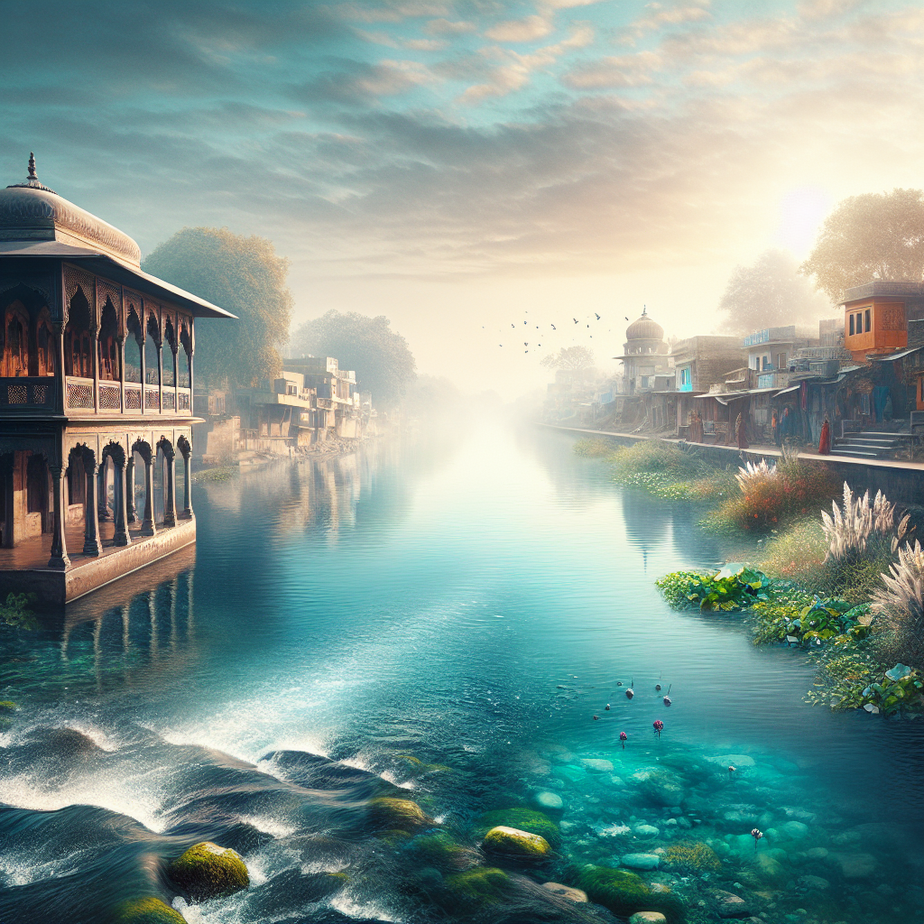
For decades, Delhi’s Yamuna River has been a somber reflection of the city’s relentless urbanization, choked by pollution and neglect despite its sacred roots and central place in Delhi’s identity. But lately, something surprising and hopeful seems to be unfolding along its muddy banks. A combination of pre-monsoon rains, halted effluent discharge during local inspections, and timely clean-up drives in anticipation of G20 legacies has caused a visibly noticeable change: parts of the river are actually looking… clean.
In areas like the ITO barrage and Kalindi Kunj, citizens have been sharing photos and videos across social media showing clearer water and, unusually, patches free of foam—a common tell-tale sign of industrial waste. For a city often jaded with civic disappointments, this glimpse of a ‘recovering’ Yamuna feels like watching a weary elder finally sit up and take a deep breath.
While the improvement is likely temporary and seasonal, it raises poignant questions: if an intensive burst of effort can show such perceptible difference, what would sustained commitment achieve? For years, Yamuna Action Plans I and II, launched with huge ambitions and budgets, yielded little visible outcome. Yet ironically, short-term focused missions—some driven more by aesthetics or high-level events—seem to have created small moments of triumph.
Perhaps this offers a lesson. Environmental restoration in cities like Delhi doesn’t require only massive policy overhauls or international pressure—it also needs consistent, local, visible commitment. Imagine if the energy behind making the Yamuna “presentable” could be turned into sustainable civic responsibility. Could urban school boards adopt riverside sections? Could Delhi’s youthful climate activists be empowered to monitor and curate public updates on river health?
In a time when most urban rivers globally are on life support, even a brief gasp of clarity in the Yamuna offers reason for cautious optimism. Maybe instead of only remembering the river during Chhath Puja or Ganga-Jamuni symbolism, we could start cherishing it for what it could still become—a living artery that flows proud and pure through the heart of Delhi.
To Delhi’s residents watching greener water ripple through the Yamuna this week: notice it, believe in it, and protect it. Because when rivers breathe, cities do too.
#CleanYamuna #DelhiEnvironment #UrbanRivers #YamunaHope #SustainableDelhi
About the Author