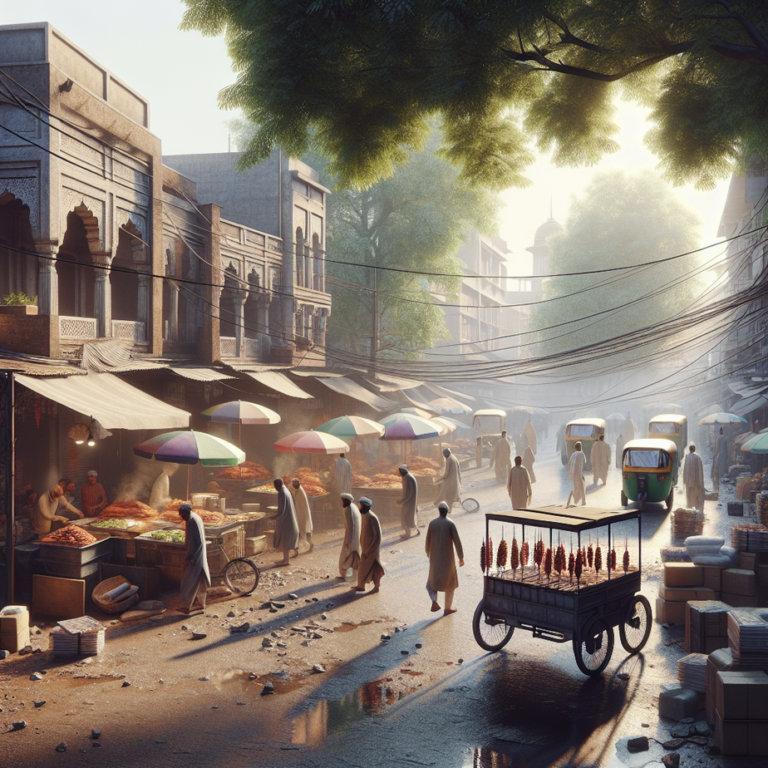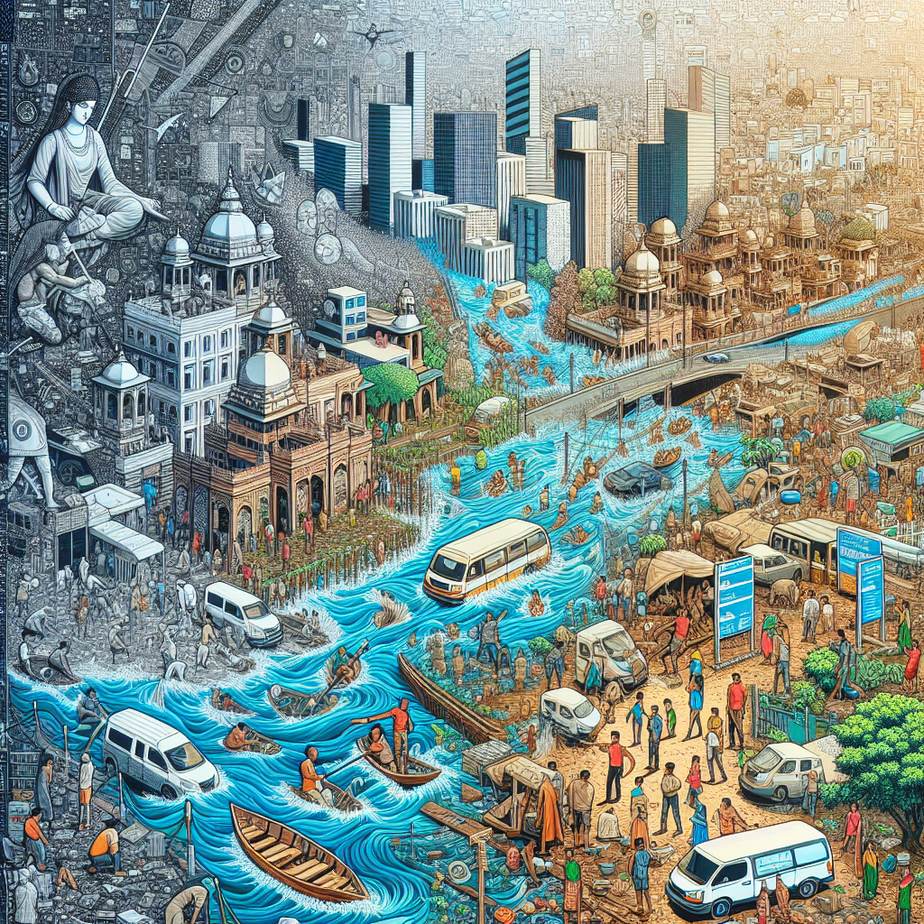
Description: Delhi faces a summer water crisis as temperatures rise and supplies dwindle.
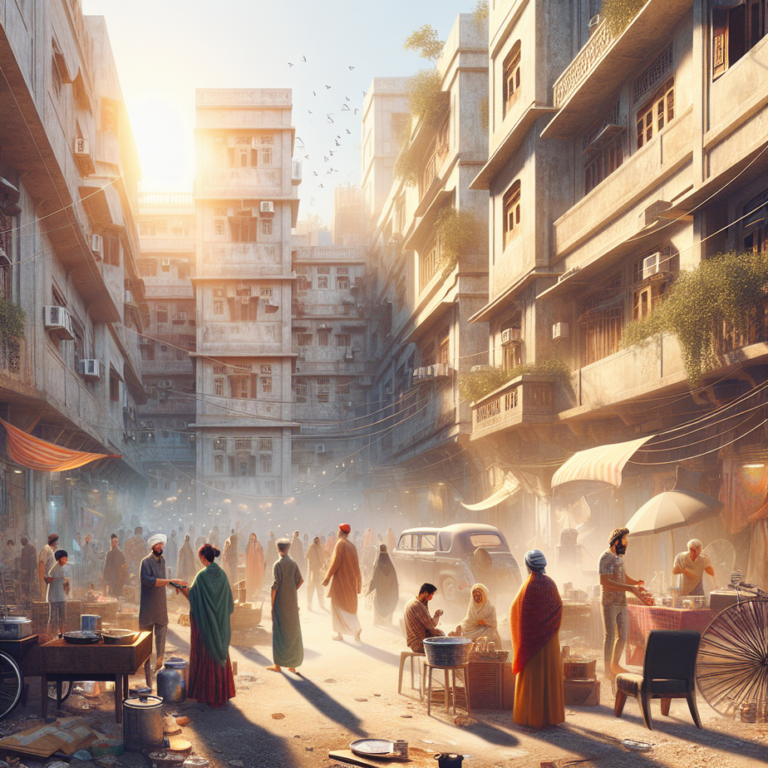
As summer tightens its grip around Delhi, the city finds itself staring at an all-too-familiar crisis—an acute shortage of water. Tankers jostle for space in crowded lanes, residents queue up with buckets at government borewells, and the anxiety of a parched tomorrow looms heavy over neighborhoods. Once again, India’s bustling and ambitious capital is struggling to meet the most basic need of its people in the peak of May.
Water scarcity during Delhi summers isn’t new, but 2024 has brought a convergence of stressors that make this year’s crisis particularly biting. Record-breaking temperatures and heatwaves have gripped northern India, sending demand for water soaring. Supply, however, has faltered. The Yamuna River, one of the city’s main lifelines, is running at worryingly low levels—impacted by both climate fluctuations and upstream disputes, particularly with neighboring Haryana. As taps run dry, and emergency water tankers become a mainstay in many colonies, one thing becomes painfully clear: Delhi’s relationship with water is dangerously fragile.
What makes this crisis more frustrating is that Delhi is not short on knowledge or technological expertise—it is short on will, planning, and long-term vision. Every summer we discuss the same issues: unauthorized colonies without pipeline access, leaky infrastructure, unequal distribution among wealthier and poorer areas, and wasteful consumption habits. Yet little changes. Year after year, citizens adapt to inconvenience rather than demand accountability or sustainable changes. The young spend hours fetching and carrying, the elderly go without, and prices of bottled water shoot up—particularly burdening the economically weaker sections.
But amid the chaos, there are small signs of hope and resilience. Local communities are taking matters into their own hands. In places like Sangam Vihar and Bhalswa Dairy, residents have begun creating their own cooperative solutions—digging rainwater harvesting pits, creating WhatsApp alert groups to track tanker routes, and lobbying local officials for smarter scheduling. NGOs and youth organizations are also becoming more vocal, using social media to amplify voices and nudge authorities toward transparency in water allotment data. None of these are complete solutions, but they show the power of collective civic will when institutions waver.
What Delhi needs urgently is a shift in perspective—from treating water as an infinite, free-flowing resource to managing it as a precious communal asset. Solutions like recycling grey water at the household level, incentivizing water-saving in industries, investing in desalination or newer technologies, and integrating green infrastructure into city planning must become not aspirational ideas but functional realities. Policy alone cannot save us; only widespread behavioral change and public participation can.
As monsoon teases its distant arrival, it’s time for Delhi’s citizens, civic bodies, planners and policy-makers to come together not just to patch the problem, but to dig into its roots. Water isn’t simply a civic issue—it is a life force that determines health, dignity, and resilience of a city. Let us use this summer not just to endure, but to re-imagine Delhi’s water future with compassion, intelligence and urgency. With the right mix of community activism and visionary governance, Delhi’s summers could someday cease to be synonymous with scarcity. Until then, each drop counts more than ever.
#DelhiWaterCrisis
#SaveWaterDelhi
#JalHaiToKalHai
#DilliKiPyaas
#SustainableDelhi
About the Author