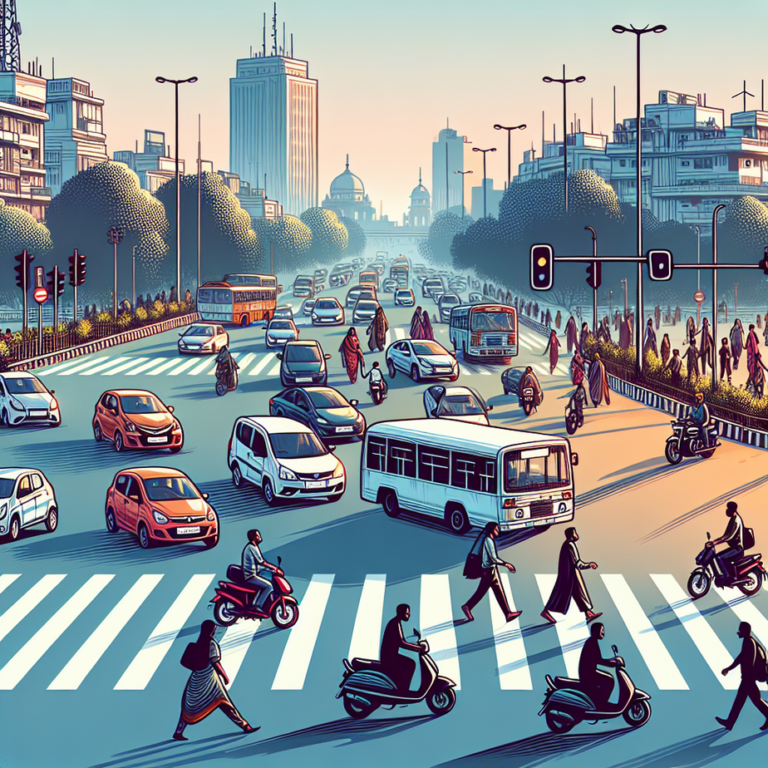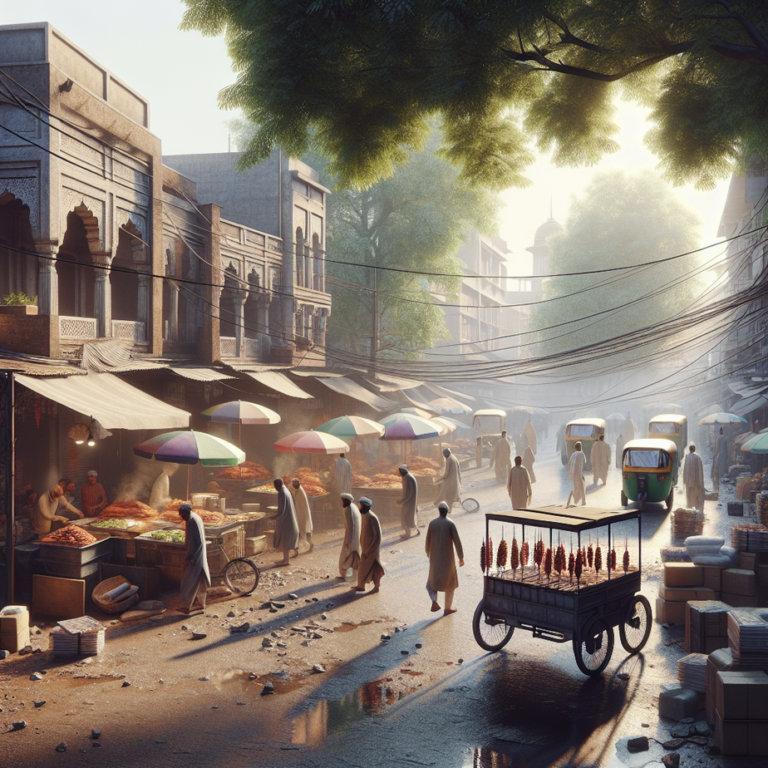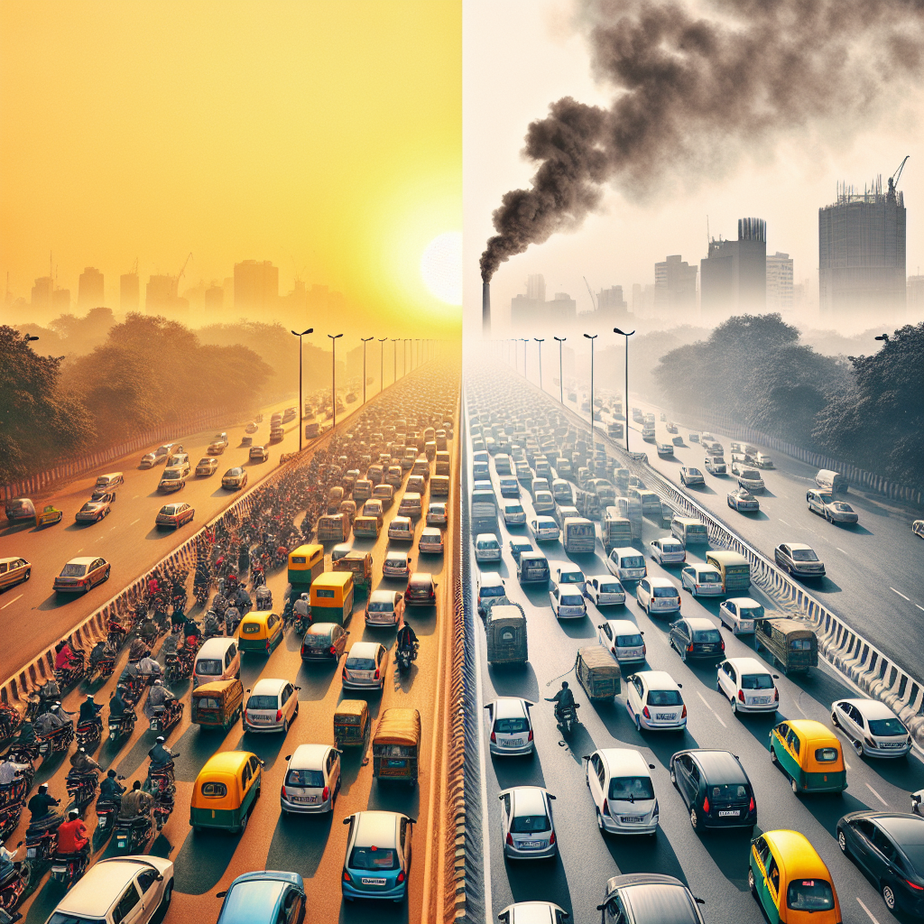
The streets of New Delhi look a little emptier this week, the smog a little lighter—at least visually. The city has once again rolled out the odd-even car rationing scheme in an attempt to combat the rising menace of air pollution. Introduced first in 2016 and revived occasionally since then, it’s a policy that sparks equal parts admiration and skepticism. Is this a breath of fresh air or a well-timed political mask?
This year’s rollout seems particularly urgent. With AQI levels crossing 400 in many parts of the city, residents are waking up to stingy eyes, sore throats, and a horizon blurred in mustard-grey haze. The government’s answer: let private vehicles operate only on alternate days based on the last digit of their license plates. Odd dates, odd cars. Even dates, even cars. And while the initiative seems aimed at immediate relief, deeper concerns about its effectiveness still linger.
There’s something inherently human about the spectacle of the odd-even scheme. The morning school run now involves hurried WhatsApp group messages about whose car can be used that day. Office carpools bloom overnight. Auto drivers discover new neighborhoods on detoured routes. Neighbors swap stories, and strangers share rides. In its own way, the policy fosters community—and in a city as vast and segmented as Delhi, that’s no small feat.
Yet, beneath the social choreography, one can’t help but question the scheme’s long-term utility. Various studies, including those by IIT experts and the Centre for Science and Environment, suggest that while odd-even can briefly reduce congestion, its cumulative impact on curbing PM2.5 levels is minimal. After all, Delhi’s pollution is a complex monster—vehicular emissions are just one part. Crop stubble burning in neighboring states, construction dust, industrial emissions, and weather patterns all contribute to the lethal cocktail that we inhale.
Even so, dismissing odd-even outright would be premature. At its heart, the policy reminds us that behavioral shifts, however small, matter. It signals to both residents and policymakers that the status quo is not sustainable. Air quality is not just an environmental issue; it’s a public health emergency. And the odd-even rule, however symbolic, keeps this in the collective consciousness.
Where the policy could do better is in its inclusivity and execution. Exempting two-wheelers, certain categories of vehicles, and disjointed implementation dilute its potential. Moreover, the lack of alternate public transport options, especially in outer Delhi, adds strain. Perhaps it’s time for the policy to evolve—from a seasonal band-aid to a consistent, well-integrated urban mobility plan.
Ultimately, we need to stop treating air pollution as a winter headline and start addressing it as a year-round crisis. The odd-even scheme should act as a seasonal prompt that awakens political will, civic responsibility, and long-term planning. It should inspire investment in electric buses, last-mile connectivity, tree-lined streets, and robust environmental policies that go beyond the optics of car bans.
In Delhi, solutions are rarely simple and seldom perfect, but every gust of clean air—no matter how fleeting—reminds us that change is possible. Maybe, just maybe, odd-even isn’t the final answer, but a beginning that sets the tempo for a healthier, more conscious Dilli.
#DelhiPollution #OddEvenReturns #BreatheCleanDelhi #UrbanPolicyTalks #SmogSeason2024
About the Author