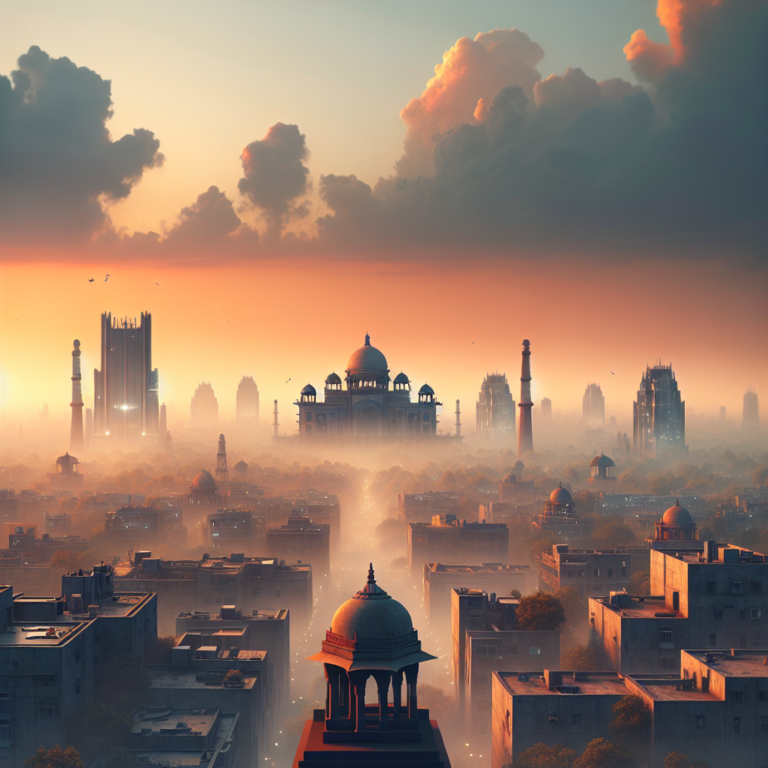
New Delhi — Picture this: it’s 3 pm outside Delhi University’s North Campus. The sun’s harsh but students still loiter near Sudama Tea Point, sipping chai, eavesdropping on conversations—“Did you hear about that anti-drug campaign from the Vice-President?” It’s not your usual academic circular. With India’s Vice-President Jagdeep Dhankhar officially launching a ‘Drug-Free Campus’ initiative, student culture at DU might be staring at its most serious image makeover in years.
Why The Vice-President Is Personally Involved
This wasn’t a minor circular buried inside a college noticeboard. The campaign, currently rolled out across Delhi University and other prominent institutions, is part of a nationwide crackdown on increasing substance use on campuses. The unusual bit? Vice-President Radhakrishnan himself flagged it off, signaling just how pressing New Delhi considers this concern. Hosted at Delhi University, the campaign was unveiled with serious administrative backing—officials from the Narcotics Control Bureau (NCB) and Ministry of Education also weighed in.
Plans include establishing anti-drug clubs, peer support groups, and confidential helplines—something akin to AA-meets-student-union but with more bureaucracy. There’s also talk of mandatory sensitisation seminars and tighter monitoring near campus hostels. For many students living independently in places like Kamla Nagar or Hudson Lane—for the first time away from parents—this signals stricter boundaries on an otherwise carefree lifestyle. This is not just another awareness week pepped up with posters—it’s being treated like an intervention, and DU is the starting point.
From Patel Chest to Pacific Mall: What Locals Say
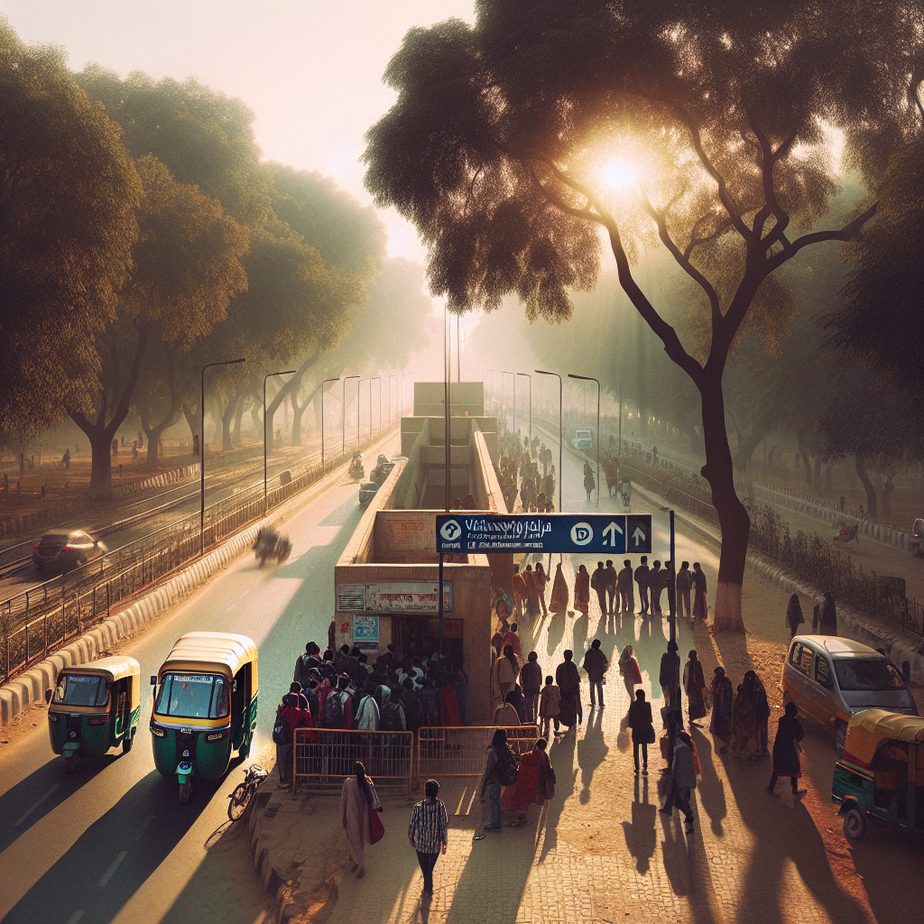
In areas surrounding North Campus—think Patel Chest Circle, Vishwavidyalaya Metro Station, and Kamla Nagar Market—reactions have been mixed. Students at Hansraj and Ramjas say they’ve received advisory emails warning against ‘drug-promoting influencers’ on social media. A paan shop vendor near Daulat Ram College commented, “Ab toh police jyada dikh rahi hai shaam ke time. Pehle aisa nahi hota tha.” While some shrug it off as performative, others—especially parents of first-years—are relieved.
Coaching centres in Mukherjee Nagar are also seeing increased traffic from outreach volunteers who’ve been visiting PG buildings and cafes like Rico’s and Big Yellow Door. Office-goers in Civil Lines say they’re concerned about how these enforcement drives might affect the area’s vibe: “We’ve already got jams near GTB Nagar by 5 pm. Now imagine checkpoints on top of that,” complained a Delhi Transport employee en route to ITO.
DU’s Tryst with Changing Cultures
Delhi University has seen its phases—from the political craze of the 80s to cultural fests of the 2000s, and now the influencer-gen swag of today. But substance use around DU isn’t exactly new. While the conversation earlier used to be hush-hush, today’s Instagram DMs and Telegram groups have made access and exposure much easier. Compare this to cities like Pune or Bengaluru—where student campuses are more closed and monitored—DU offers a more open playground, which may inadvertently support risky behavior.
Local residents say this isn’t the first crackdown. Back in the 2010s, there were similar efforts during college elections season, when alcohol-fueled parties would spike. But this time, with top political oversight, the tone feels more long-term and institutional. The campaign’s tie-ins with mental health support also aim to make it more than just punitive.
How You Can Stay Safe and Aware
- Students in PGs near Kamla Nagar, GTB Nagar or Rajpur Road—keep track of official advisories on notice boards and college WhatsApp groups.
- If you’re hanging out around North Campus post-sunset, especially near Ridge area or Civil Lines, have valid ID and stick to well-lit roads.
- Need help or see someone struggling? The campaign is setting up anonymous helplines. Until then, DU counseling cells are available—don’t hesitate to book slots.
📍 Spot Check: Vishwavidyalaya Metro Station, Arts Faculty Gate, and Sudama Tea Point near Ramjas College are hot spots close to the campaign activities. Police visibility is highest between 4 pm to 8:30 pm.
The Final Word
This isn’t just a policy roll-out—it’s a cultural checkpoint. Drug-free campuses aren’t about cracking down—it’s about making Delhi University a safer experience without losing its edge. As students ourselves, or even as alumni reminiscing about bun maska from Tom Uncle’s Maggi Point, we know DU thrives on freedom. But freedom doesn’t mean harmful indulgence. Will strict vigilance help or create an underground buzz? That’s still up for debate.
People Also Ask
Is this officially confirmed?
Yes, but implementation on ground may vary.
Who benefits the most?
Daily commuters, students and small shop owners.
Any hidden catch?
Check timings & local enforcement.
Have something to say? Drop a comment below!
#Delhi #NorthDelhi #CampusSafety #StudentLife #TrendingNow
About the Author