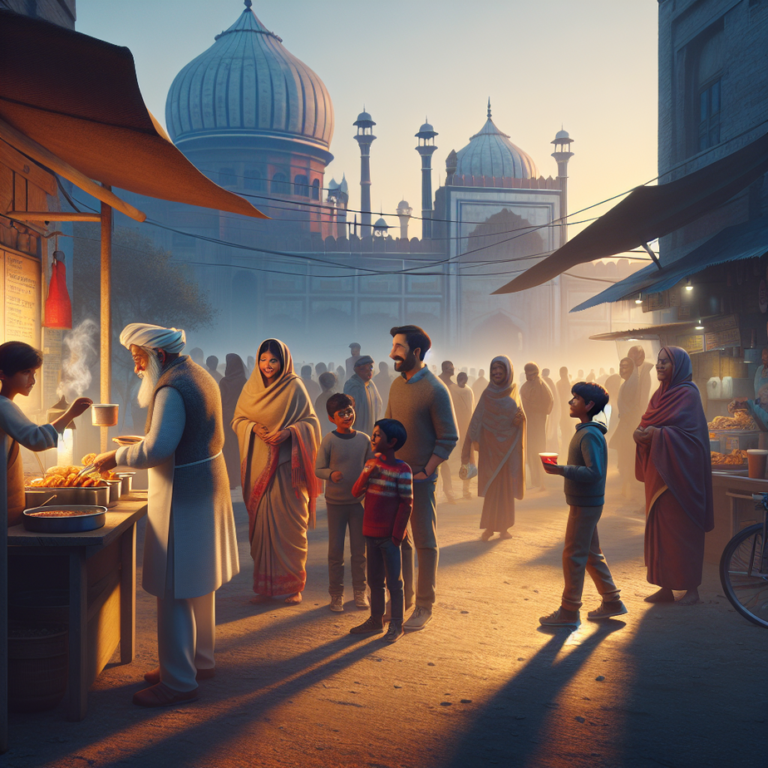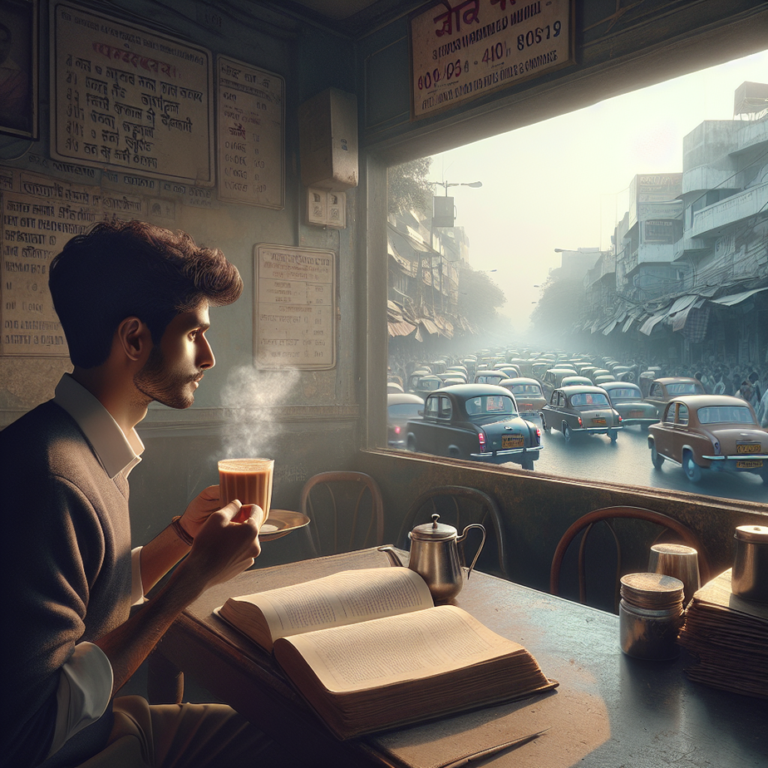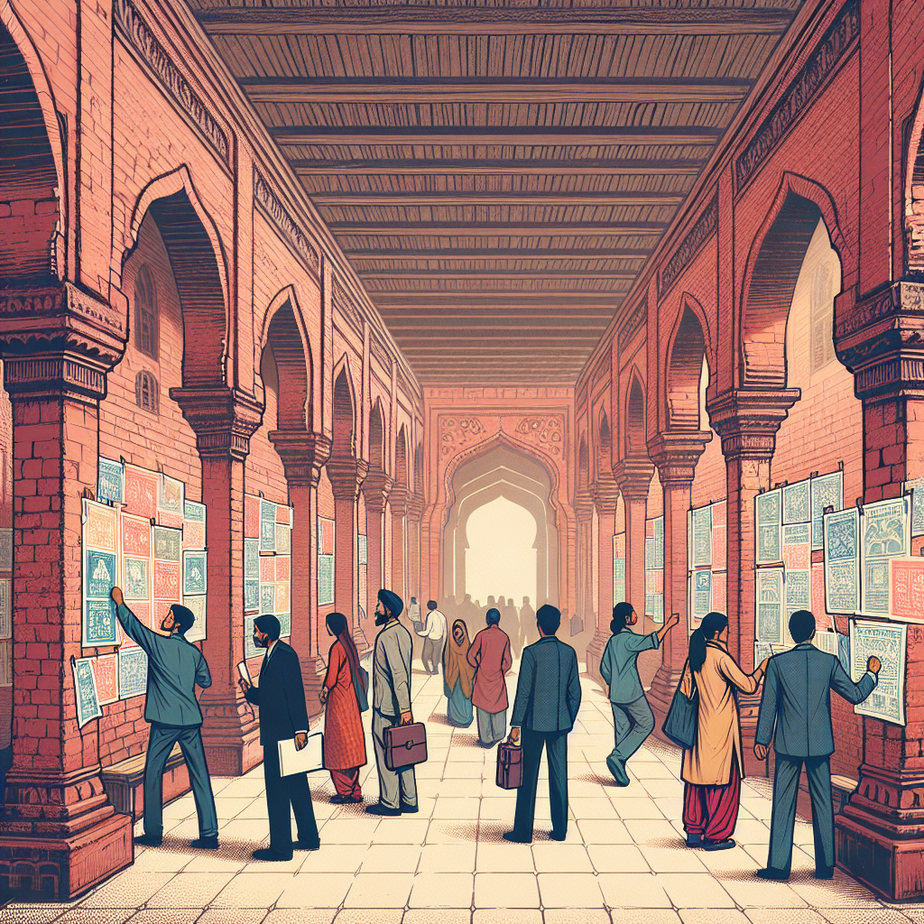
New Delhi — Did Delhi just delete free speech from its most iconic campus wall? That’s the vibe on North Campus, where a late-night university order has sparked debates bigger than the Red Fort’s walls. Delhi University has reportedly removed the famed “Walls of Democracy” from campus, long known as an open space for free expression and student dissent. The removal feels less like campus renovation and more like ideological realignment.
What Went Down? And Why It’s Such a Big Deal
The University of Delhi has taken down what’s locally known as the “Walls of Democracy,” a stretch on campus where generations of students expressed dissent, posted political art, and pasted manifestos during DUSU (Delhi University Students Union) elections. Authorities say the wall was “cluttered,” “unaesthetic,” and needed revamping. But here’s the catch—no official student groups were consulted, and the decision came almost overnight.
Now, if you’re imagining this wall as a graffiti-ridden alley, think again. We’re talking about spots near Arts Faculty, back lanes of Ramjas, and even the famed corridor next to the Vice-Regal Lodge. These were sanctified public forums, not scribbles-on-a-washroom-door. Posters on farmers’ protests, the CAA-NRC debates, Palestine solidarity, and anti-violence messages had turned this otherwise mundane brick facade into Delhi’s own version of Speakers’ Corner.
Reports surfacing through Muslim Network TV and student collectives suggest that security personnel oversaw the removal, with some asserting that the real reason is rampant “depoliticization” of campuses ahead of upcoming elections. The irony? This purge happened while DU plans to celebrate its centenary year. So, let’s just agree—bad timing?
How This Hits Closer to Home Than You Think
You might wonder, “I’m not a student, why should I care?” But if you’ve ever sat at Ricos with a tab open on Jagran Josh, or dashed between metro stops before a protest rally shut down the roads leading to Arts Faculty, you’ll understand how DU sets Delhi’s mood. This isn’t just about one wall. It’s about a pattern visible across the city—shrinking student spaces, quiet campus politics, and an increasing number of “redrawn boundaries” that go from physical to ideological.
For North Campus students, especially those living in Hostels near Gwyer Hall or PGs near Kamla Nagar, this wall was more than art; it was an orientation into Delhi’s political soul. Now? Expect stricter poster rules, more permits, and possibly, watchful eyes monitoring Instagram student pages too. For commuters from Connaught Place or those who switch metros at Vishwavidyalaya, this marks yet another contested corner in an already polarized landscape.
Campus Censorship: A Continuation or a Change?
If this sounds new, it’s not. Remember the Ramjas College violence in 2017? Or when JNU’s admin covered ‘Freedom Wall’ at Sabarmati Dhaba? Delhi campuses have a history of clashing ideals, but removing the Walls of Democracy outright is a bold leap. Historically, DU has played it sneakily—setting deadlines to remove posters or banning political speakers quietly. A complete erasure? That’s a step previously unseen even in times of emergency-era echoes.
What’s changed? Possibly the growing pressure on institutions to appear “neutral” before the 2024 general elections. With student bodies like ABVP often clashing with left-leaning unions like AISA and SFI, it’s not hard to read between the bricks here. The “aesthetics” explanation doesn’t hold tight when the same walls hosted JavaScript club meets and Bhagat Singh murals for years without complaint.
📍 Spot Check: If you’re walking down Chhatra Marg or catching a kadak chai from Sudama Tea Stall behind the Science Faculty, you’ll notice those newly blank sections near the Arts Faculty main gate. Nearby metro stations include Vishwavidyalaya and GTB Nagar. Local stores like PrintXpress say flyer printing orders dropped overnight. Coincidence?
The Final Word
Here’s the thing—Delhi isn’t Bangkok. We’re not designing universities for tourists. We’re (ideally) building forums for debate. And removing a central platform without consultation feels like treating symptoms, not a disease. If a university can’t handle messy walls, can it really handle messy ideas?
So now the question is: what’s next? CCTV cameras pointed at corridors? Pre-approved slogans? Or maybe a virtual “Wall of Democracy”—as sterile as a DU online admit card?
Have something to say? Drop a comment below!
#DUPolitics
#FreeSpeechDelhi
#WallsOfDemocracy
#NorthCampusBuzz
#DelhiDebates
About the Author