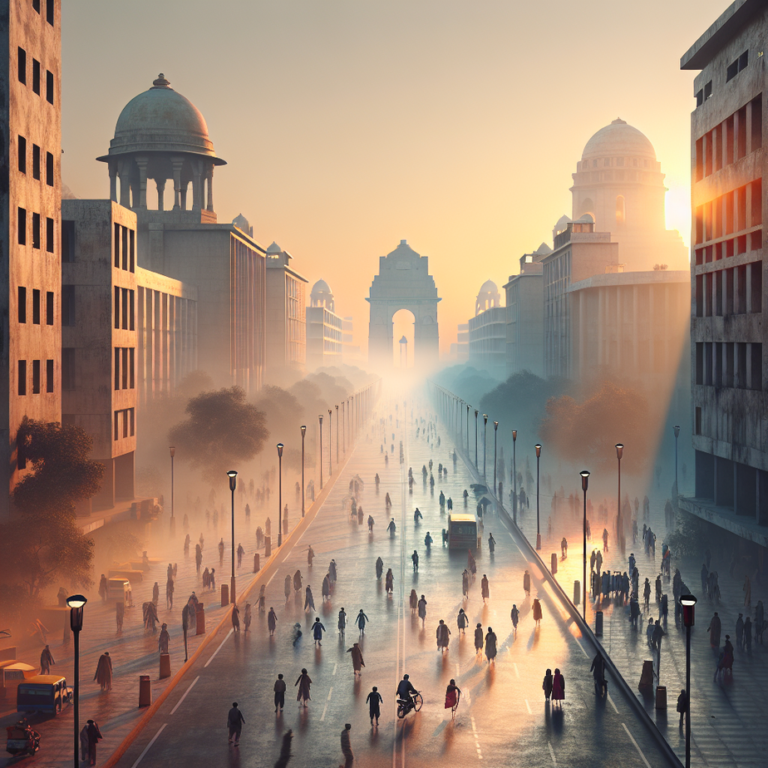
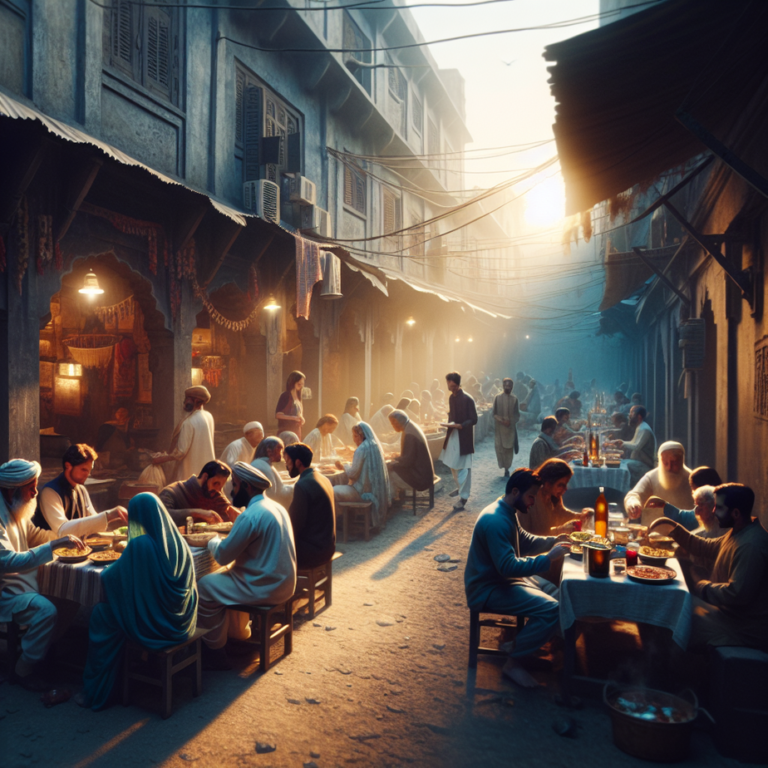
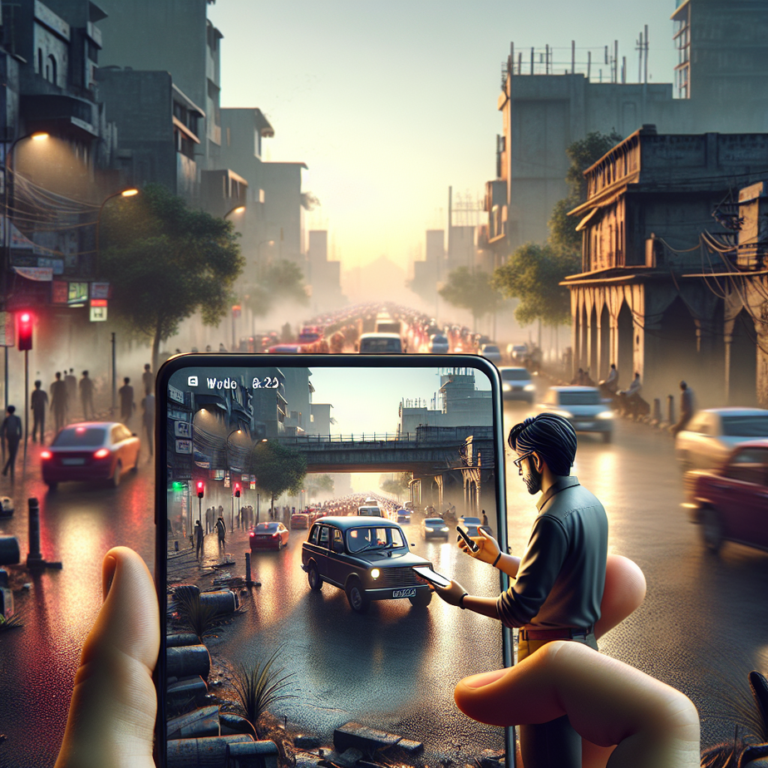
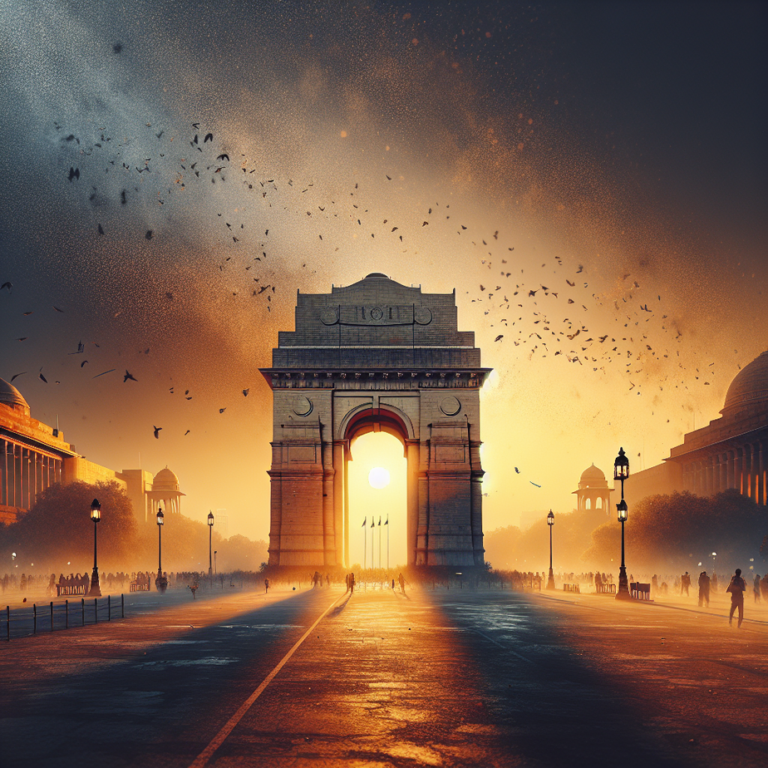
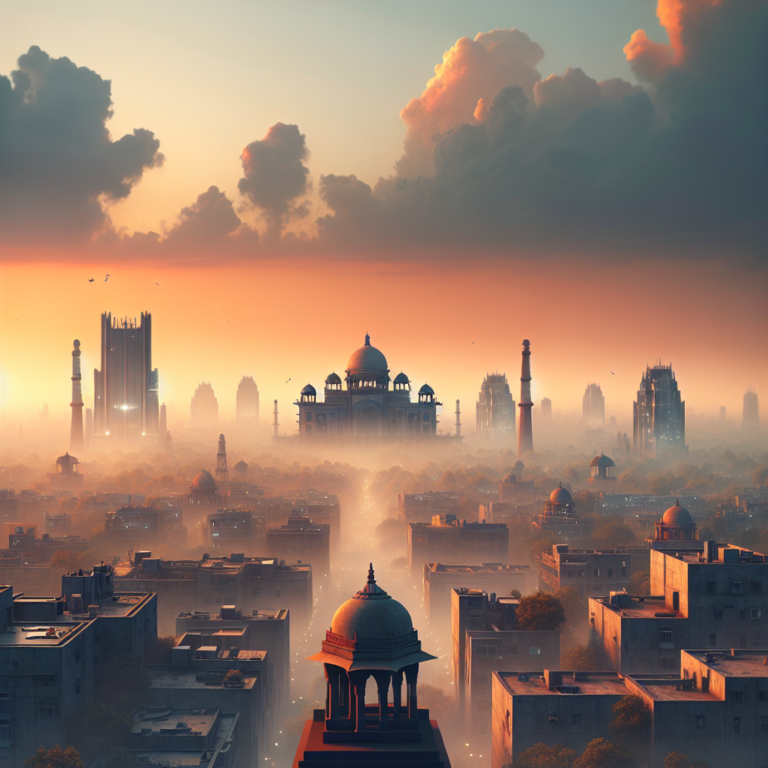
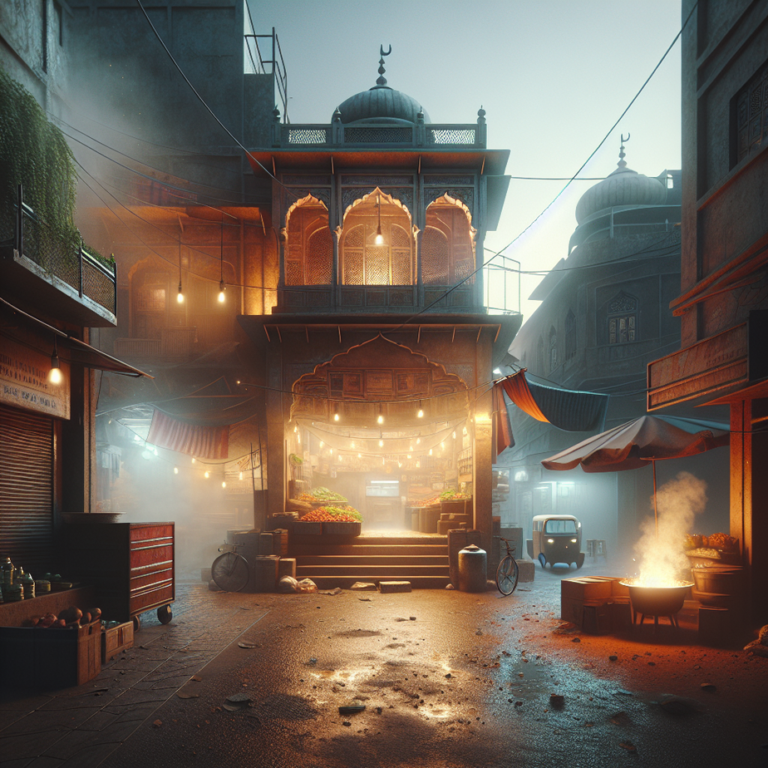
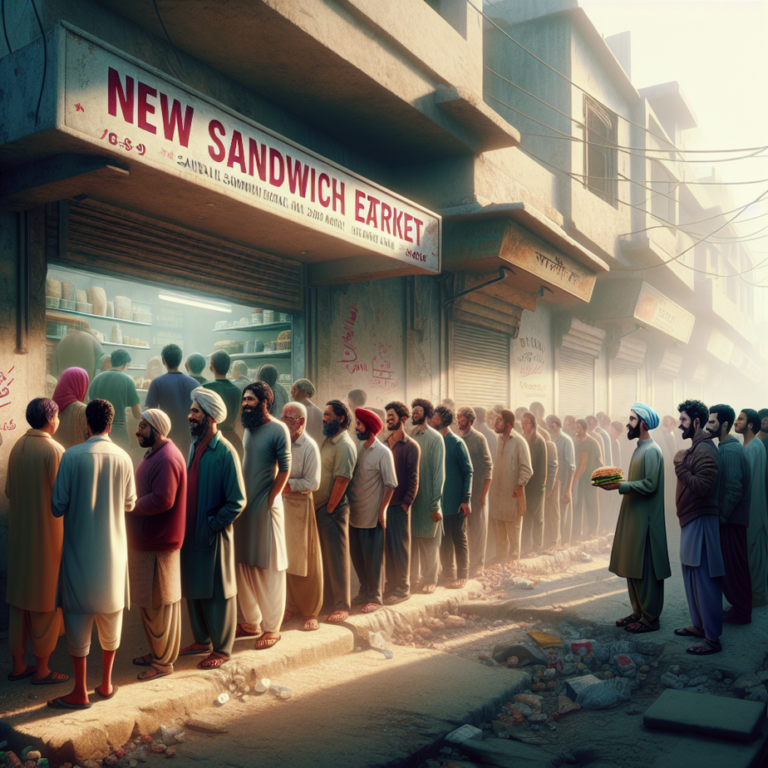
New Delhi — What if the past wasn’t locked in photo albums or old WhatsApp backups, but instead painted across corners of the city, simmering in a bowl of chole kulche, or echoing in a forgotten melody at a traffic signal? As Bengaluru taps into its own past using food, culture and community-driven art to “unbox memories,” many Delhiites are asking — are we too missing the stories hidden in plain sight?
Memory-making through food, art & streets
In Bengaluru, local initiatives are helping residents rediscover their city through curated events weaving nostalgia, food, and cultural expression. In Delhi, we’ve got *more* stories per square kilometre than most bookshelves in Daryaganj — but our city often speeds past them in a Metro blur. The idea of “unboxing memories” means pausing to engage with your city like an old friend. Think about walking through Nizamuddin’s lanes during twilight azan, where scents from old kebab shops mix with fresh neem smoke. Or revisiting the Lodhi Art District not for an Instagram shot, but for the mural of a grandmother stitching shawls, reminding us of winter mornings spent under a kangri in our nani’s barsati house.
Local NGOs, museums, and startups in Delhi are catching on. Storytelling groups like Delhi Karavan are organizing heritage walks to forgotten baolis, while pop-up food experiences in Safdarjung Enclave and Jamia are reintroducing Mughlai recipes lost to the big delivery apps. It’s not exhibition nostalgia — it’s urban archaeology. Every street is a footnote. And the trend is growing as communities realize that preserving memories doesn’t mean building a statue; it often means cooking daadi’s version of rajma the exact way she did, slow and with patience.
Memories that matter to real Delhiites
So how does this trend trickle into our daily routines? For students at DU’s North Campus, it could be about more than skipping lectures for bhelpuri near Kamla Nagar – it’s about honoring the tradition of campus protests, chai addas, and shared poetry on brick walls. For families in Vasant Kunj, it’s rediscovering Mehrauli Archeological Park and telling kids about why that broken stepwell matters. Most of all, it’s an antidote to burnout. “Purani dilli mein sab kuch yaadon ka hissa hai – yahan chaat wali gali ke har kone ki ek kahaani hai,” says a shopkeeper near Chawri Bazaar. Office-goers trudging through Moolchand Flyover traffic say even a short lunchtime detour to India Habitat Centre’s open-air exhibits lets them reconnect with something beyond Excel sheets.
In pushing back against the city’s speed, creatives are building bridges with the past. Startups in Gurugram are commissioning murals themed on childhood games like kanche and pithoo in office lobbies. Residents say it makes them smile on tough days. Artists hosting memory-mapping workshops in community centres across Noida say people often walk in just wanting to draw — but end up narrating entire chapters of their lives. This isn’t nostalgia for nostalgia’s sake. It’s about feeling more rooted in the chaos of NCR.
When memories were part of daily life
Delhi has always carried its past like a palimpsest. Unlike newer cities, here ancient tombs coexist with electric-rickshaw chargers. In the 90s, memory-keeping happened on Sundays at Daryaganj Book Market or in music stores at Lajpat Bhavan. Before the smartphone, cricket on colony rooftops or listening to Chitrahaar with family was premium bonding. Nehru Place might be the tech hub now, but older residents recall lining up there for audio cassettes of Jagjit Singh ghazals that came with handwritten lyrics tucked between covers.
Bengaluru’s current efforts resemble what Delhi’s INTACH walks or the Sunder Nursery cultural evenings started years ago, though not always mainstream at the time. Our city has often led quietly while others claimed PR wins. Now, as other metros publicly unbox their memory kits, Delhi too is nudging its people to look up from navigation apps and recollect what made their neighbourhoods — from Panchsheel to Pitampura — more than just pin codes.
Want to unbox your own Delhi memories?
- Pick a weekend to go on a local walk — Delhi Karavan, Toxics Link, and INTACH South Delhi all offer affordable, informative events. Don’t just photograph, ask questions.
- Recreate a family recipe from your grandparents — even better, get it written in their own handwriting and frame it for your kitchen.
- Visit Majnu ka Tilla, not for Instagram, but to speak to local residents about how Tibetan influences shaped the area post-1959 and beyond momos.
📍 Spot Check: Check out the Lodhi Art District (near JLN Stadium metro), Nizamuddin Dargah area post 6 PM for qawwali nights, and Daryaganj Book Market on Sundays (come before noon).
The Final Word
The city isn’t hiding its stories — we’re just not listening properly. Delhi will never be subtle — it shouts, sings and sizzles, often from behind decades-old stalls and walls. With busy jobs and Metro delays, it’s easy to become a commuter instead of a resident. But maybe it’s time we let the city surprise us again — even if all we do is take a new route home and stop where the smell of jalebi feels like childhood. What Delhi memory have you nearly forgotten?
People Also Ask
Is this officially confirmed?
Yes, but implementation on ground may vary.
Who benefits the most?
Daily commuters, students and small shop owners.
Any hidden catch?
Check timings & local enforcement.
Have something to say? Drop a comment below!
#SouthDelhi #DelhiNCR #CityWalks #CulturalRediscovery #WeekendPlans
About the Author