New Delhi — Ever walked from Rajiv Chowk to Chandni Chowk and felt like you just time-travelled 200 years? That’s Delhi for you — a city where the old Mughal charm, colonial imprints, DTC horns, and startup culture all slam into each other before breakfast. But it’s not just a quirky contrast anymore — these overlapping versions of Delhi shape how we live, commute, shop, and *breathe* every single day. So how do all these Delhis co-exist in 2024? Let’s get into it.
Where Lutyens Meets Lajpat: The Many Faces of Delhi
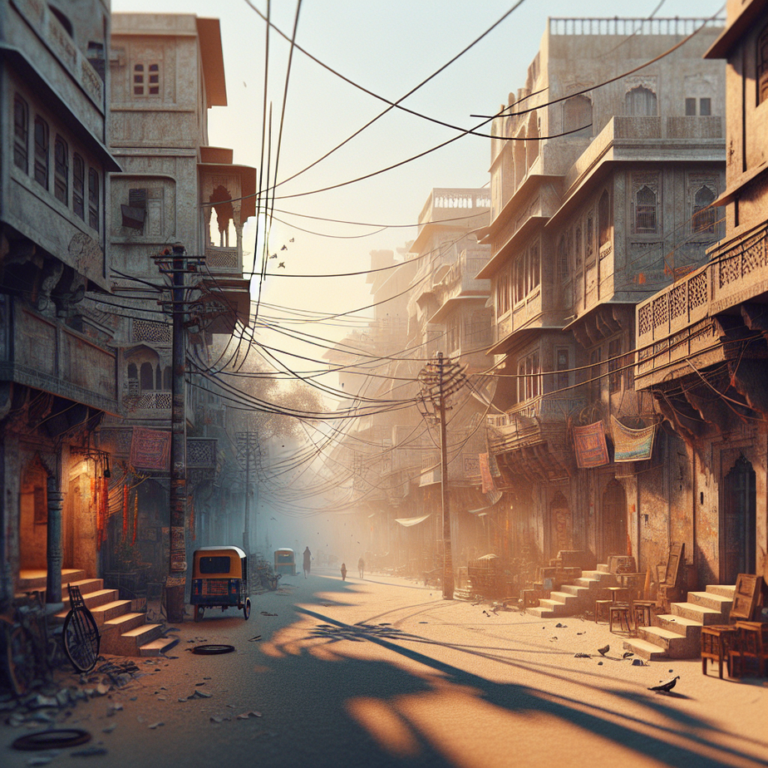
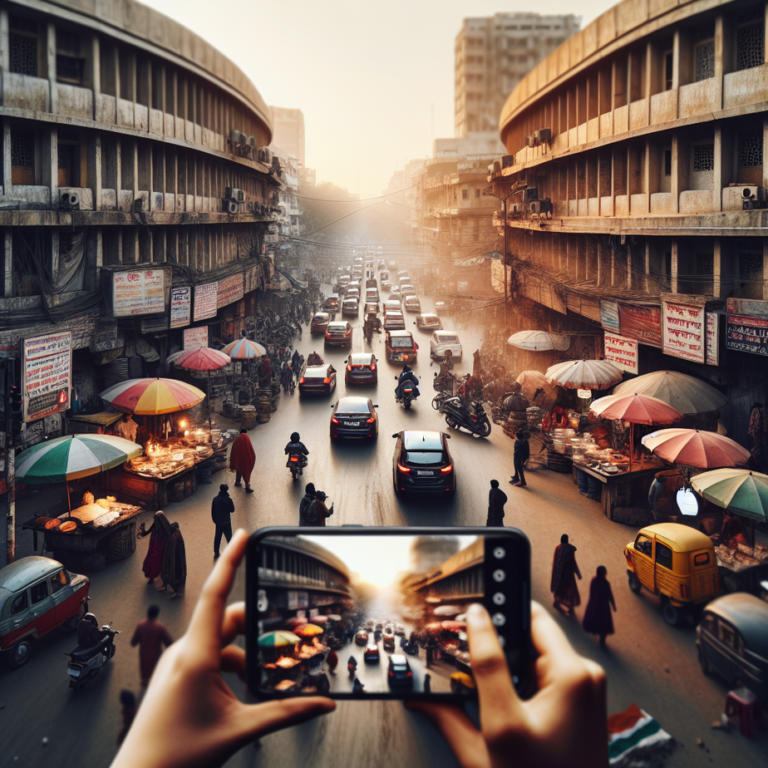
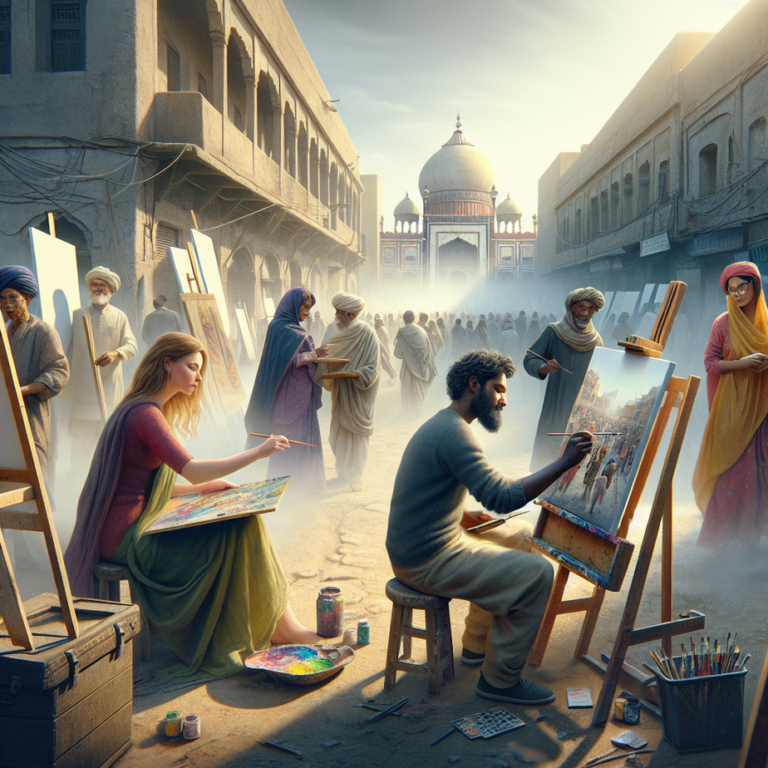
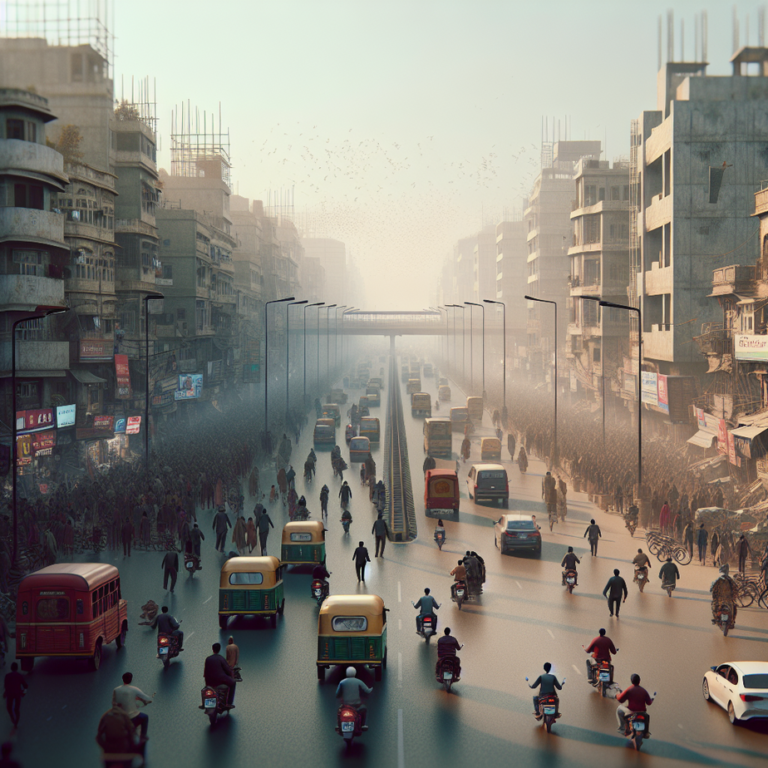
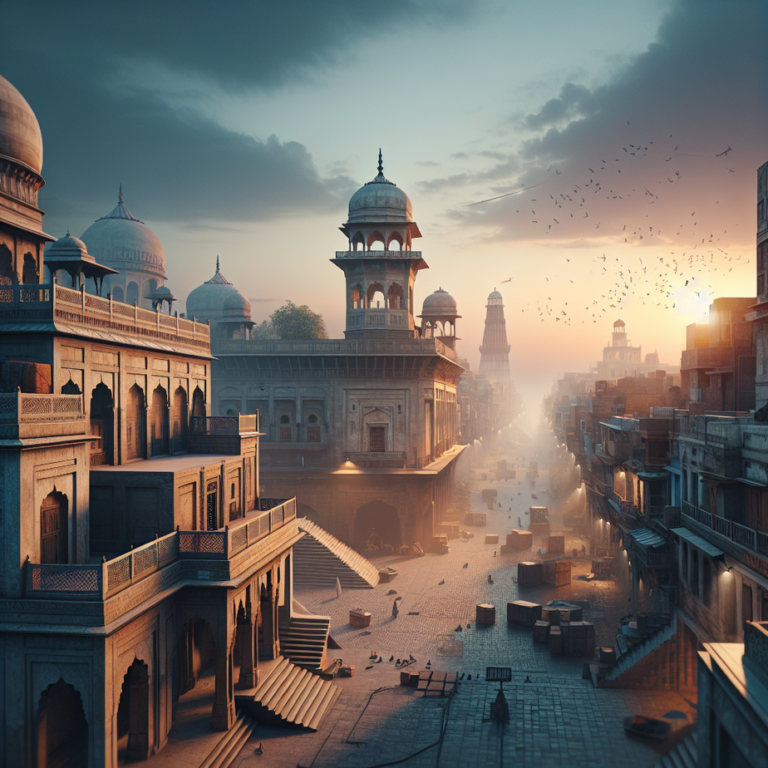
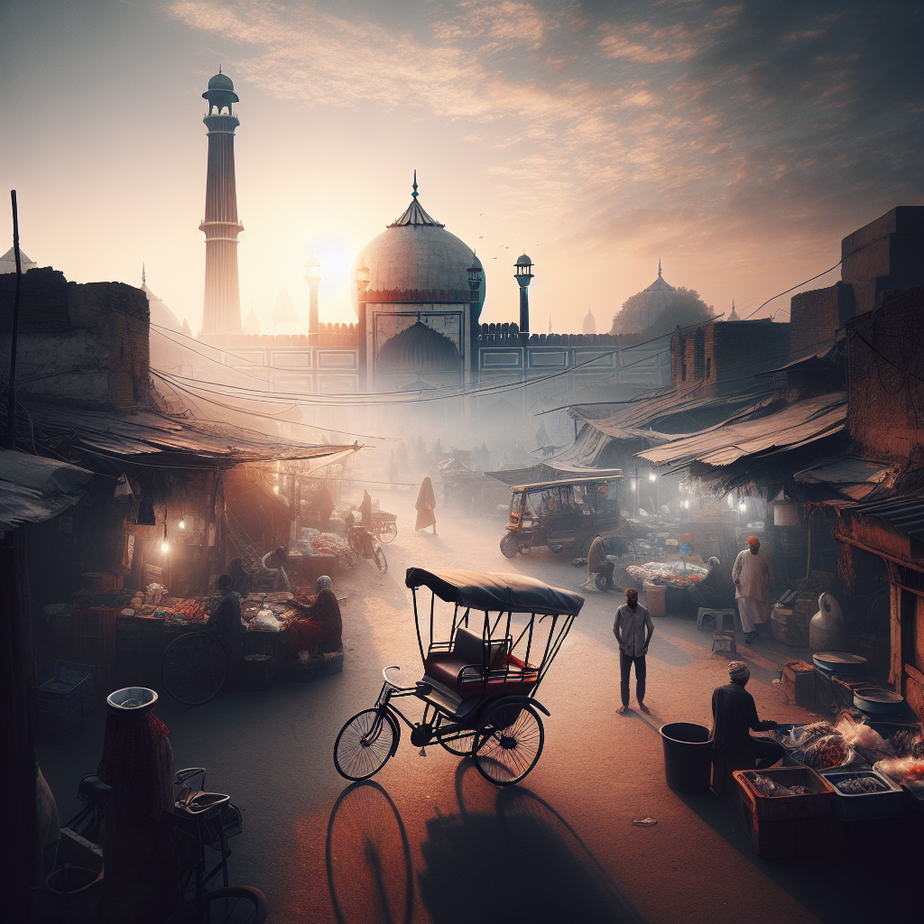
The Hindu’s recent feature shined a light on something all Delhiwalas experience daily: the co-existence of multiple Delhis. There’s the imperial one built by the British (think Connaught Place and India Gate), the ancient one that still thrives in Old Delhi’s cramped gallis, and the ‘Nayi Dilli’ of malls, metros, and mushrooming Gurugram towers. Each of these zones has its own language, vibe, economic pulse, and weekend plans. South Delhi’s Saket shoppers might never wander into Sadar Bazaar, while Noida software engineers rarely visit the lanes of Kashmere Gate.
But the lines blur in strange ways. A Gen Z kid grabbing ramen in Hudson Lane is also ordering heirloom sarees for her cousin’s shaadi from Kinari Bazaar. An Uber from Jor Bagh to Karol Bagh crosses more cultures than some international border crossings. The result: a city constantly in motion, not just physically but culturally — always negotiating space between past and future, nostalgia and aspiration.
What It Means for the People Behind the Windows
For locals, living among these layered Delhis means juggling multiple identities. A college student at Hindu College might spend the day in an AC classroom and evenings shooting content for Instagram Reels at Jama Masjid’s steps. Office-goers near ITO say they often find themselves stuck in two worlds — dealing with 19th-century infrastructure (hello random power cuts) but also working with 21st-century tools like ChatGPT.
Shopkeepers near Chawri Bazaar report that footfall from “New Delhi types” has increased post-COVID — “Ab toh South Delhi wale bhi aane lage hain dahi bhalle khaane,” one paanwala claimed. Residents in Golf Links may grumble about illegal hoardings, while in Seelampur the concern is actually getting clean water in the morning. This contrast isn’t just visual — it’s logistical. Metro users say traveling from Huda City Centre to Jahangirpuri feels like crossing economic classes along the Yellow Line. For many, this wide variety is a challenge, but also — ironically — the only way Delhi feels like home.
How Did Delhi Become This Collage?
Delhi’s layered character isn’t accidental. As the capital of multiple empires from the Mughals to the British to modern India, the city has always been a magnet. Post-Partition saw a massive influx of Punjabis; the 1990s liberalization brought working-class migration from Bihar and Bengal; and now, tech campuses are attracting a new white-collar crowd. Each wave brought its own culture, language, and food.
Compared to cities like Mumbai which are more economically homogenized, or Bengaluru where tech defines the cityscape, Delhi retains its competing identities more vividly. Even the Delhi Metro map looks like it’s trying to hold the city together with duct tape — carefully connecting its vastly different personalities. The city has had many makeovers — from DDA flats to DLF buildings — but each left its own accent, not erased the old one. That’s both Delhi’s curse and charm.
How to Ride These Colliding Worlds Without Losing Your Mind
- If you’re a newcomer, use the Metro strategically — Green Line takes you from Punjabi Bagh’s old-school joints to Kirti Nagar carpentry markets smoothly.
- Pick weekends to explore Other Delhis: visit Mehrauli’s Qutub with family and wrap up with Momos at Hawker’s in Vasant Kunj.
- For shopping, don’t restrict yourself to one area. Mix DLF Promenade browsing with Gaffar Market gadget hunts — it’s all within an hour’s drive (give or take Delhi traffic).
📍 Spot Check: Close to Chandni Chowk metro station, Kinari Bazaar mixes bridal bling with old pickle vendors, while nearby Jama Masjid becomes picnic ground post-Asr prayer time on winter weekends. Don’t miss the kachori-wale uncle with 70 years of business behind him, right next to Karim’s.
The Final Word
Delhi isn’t meant to be understood in one go — you live it in slices, seasons, and side lanes. One minute you’re stuck behind a buffalo cart near Vijay Ghat, the next you’re sipping matcha in Hauz Khas Village. If you’ve ever felt overwhelmed by the city’s contradictions, that’s normal — it’s proof you’re paying attention. So tell us: which version of Delhi feels most like your own? Or do you live in all of them at once?
People Also Ask
Is this officially confirmed?
Yes, but implementation on ground may vary.
Who benefits the most?
Daily commuters, students and small shop owners.
Any hidden catch?
Check timings & local enforcement.
Have something to say? Drop a comment below!
#Delhi #NorthDilli #CityLives #LocalVoices #UrbanIndia
About the Author