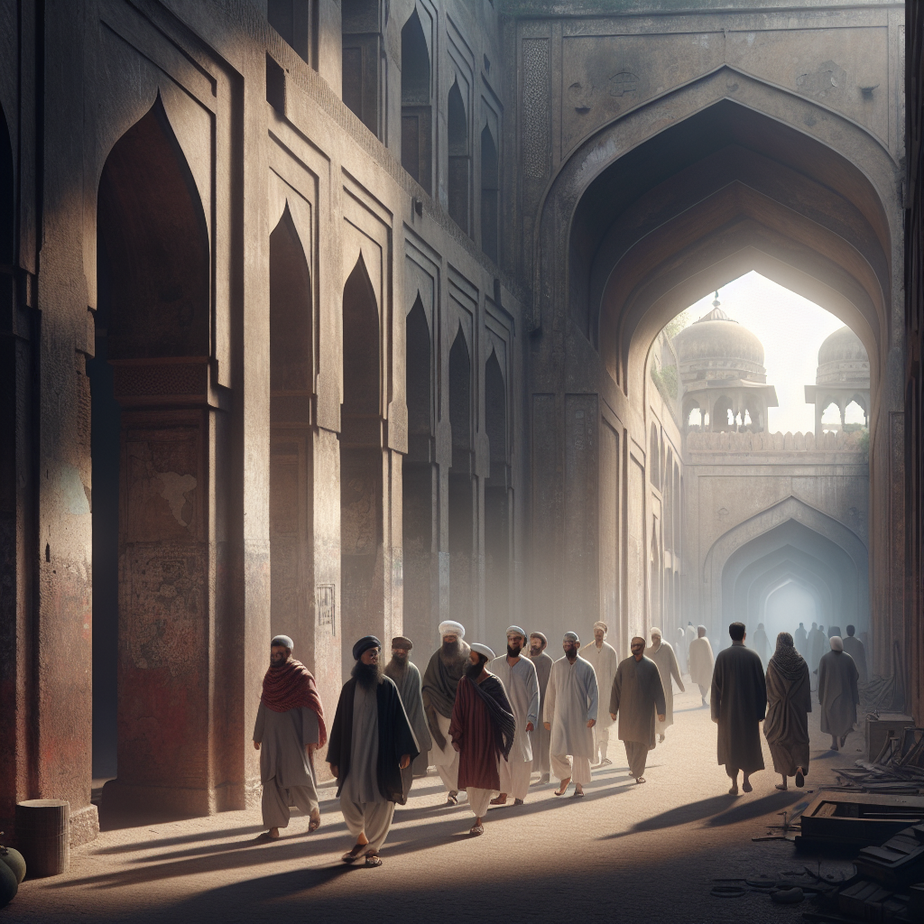
New Delhi — Ever zoned out during a history class while someone droned on about the Mughals or the Raj? You’re not alone. But on a quiet Sunday morning near the Mehrauli Archaeological Park, something different plays out. Students, walkers, and camera-toting aunties huddle around a local expert, hanging on to stories of Delhi’s past, all while standing where history actually happened. Suddenly, history’s not just a subject—it’s a scene you’re standing in.
From Dusty Books to Real-World Ruins: Why Heritage Walks Work
Delhi is packed with stories—some in grand forts, some in forgotten corners behind paan shops. Heritage walks tap into that. Led by historians, locals, or heritage enthusiasts, these walks guide small groups through areas like Chandni Chowk, Tughlaqabad Fort, or Hauz Khas Village. You don’t just learn that Mohammad bin Tughlaq shifted capitals—you’re literally walking the ruins he left behind.
Platforms like Delhi Heritage Walks or INTACH’s Delhi chapter typically run these on weekends, often in collaboration with schools or curious Delhiites looking to reconnect with their city. Participants get bite-sized history, on-site trivia (like how the Jantar Mantar was a legit astronomical calculator), and local gossip that doesn’t make it to NCERT textbooks. It’s hands-on learning, minus the classroom yawns.
Some of the most popular routes include the Nizamuddin walk (which blends Sufi heritage with Mughal architecture) and the Kucha Mahajani walk through Old Delhi’s trading lanes. Best part? Unlike museums, the streets don’t close for maintenance—and every turn has a story.
The Class Comes to the Gali: Local Impact
For schools in Delhi, especially in areas like Green Park, Lajpat Nagar, or Civil Lines, these walks have become a favorite field trip alternative. Teachers say students engage more when they’re walking through the Qutub Complex rather than watching PPTs in class. Lakshmi, a history teacher from a private South Delhi school, shared, “After our students visited Humayun’s Tomb with a heritage expert, they scored better not just in tests, but remembered the vibe and visuals even after months.”
Office-goers and residents looking for weekend breaks from malls and Netflix also join in. A retired PSU worker from East of Kailash said he now joins monthly walks “to rediscover the Delhi he grew up in, minus the wires and traffic.”
The walks also breathe life into local commerce. A shopkeeper near Jama Masjid said weekends bring foot traffic to chaat stalls and perfume shops during these walks. He claimed, “People listen to the guide, then buy a kebab or lehsun wala achaar. It’s good for business.”
Delhi Did It Before It Was Cool
Before “heritage walks” became Instagram-friendly buzzwords, Delhiwalas were already walking the talk—especially in and around Mehrauli. The old Mehrauli Festival walk dates back to the early 2000s, long before geo-tags were a thing. Back then, only architecture students or purani Dilli uncles roamed these sites out of habit, or nostalgia.
Cities like Ahmedabad and Pune are now pushing similar programs, but Delhi retains an edge with layering—from Lutyens’ colonial corridors to Mughal havelis and Sultanate tombs. Even something as current as a TikTok has a harder time going viral than the 700-year-old stepwells just behind the Saket CityWalk mall.
There’s also more awareness post-COVID about open-air activities that don’t cost a bomb. Heritage walks became that sweet spot—safe, educational, and slightly quirky.
Want To Join One? Here’s How To Start
- Start with a Delhi Heritage Walk near your area—Nizamuddin Basti or Hauz Khas is beginner friendly and scenic.
- Wear comfy shoes and carry water. Walks can last 90 minutes and may involve uneven stone paths (especially Mehrauli and Purana Qila walks).
- Check Instagram handles of organizers like @deepwalksdelhi or @delhimetrowalks for upcoming events with descriptions and ticket links.
📍 Spot Check: For the Nizamuddin heritage walk, the nearest metro is JLN Stadium (Violet Line). For the Shahjahanabad circuit, get off at Chawri Bazaar metro and head towards Jama Masjid on foot via Nai Sarak. The Mehrauli Archaeological Park is closest to Qutub Minar metro (Yellow Line), but prepare for a 10-minute uphill walk.
The Final Word
Delhi’s heritage walks are more than just weekend outings. They’re turning Dilli’s streets into open-air classrooms—where you learn not just about emperors, but about migration, architecture, community traditions, and even forgotten food stories. It’s history made relatable, relevant, and real. Sure, you won’t get attendance marks, but you might just form a deeper bond with your own city. And seriously, would you rather read about Purana Qila or share parantha with a guide while standing inside it?
Think your area has some untold stories? Maybe it’s time to walk it.
People Also Ask
Is this officially confirmed?
Yes, but implementation on ground may vary.
Who benefits the most?
Daily commuters, students and small shop owners.
Any hidden catch?
Check timings & local enforcement.
Have something to say? Drop a comment below!
#Delhi #SouthDelhi #HistoryWalks #LearnByExploring #CityStories
About the Author