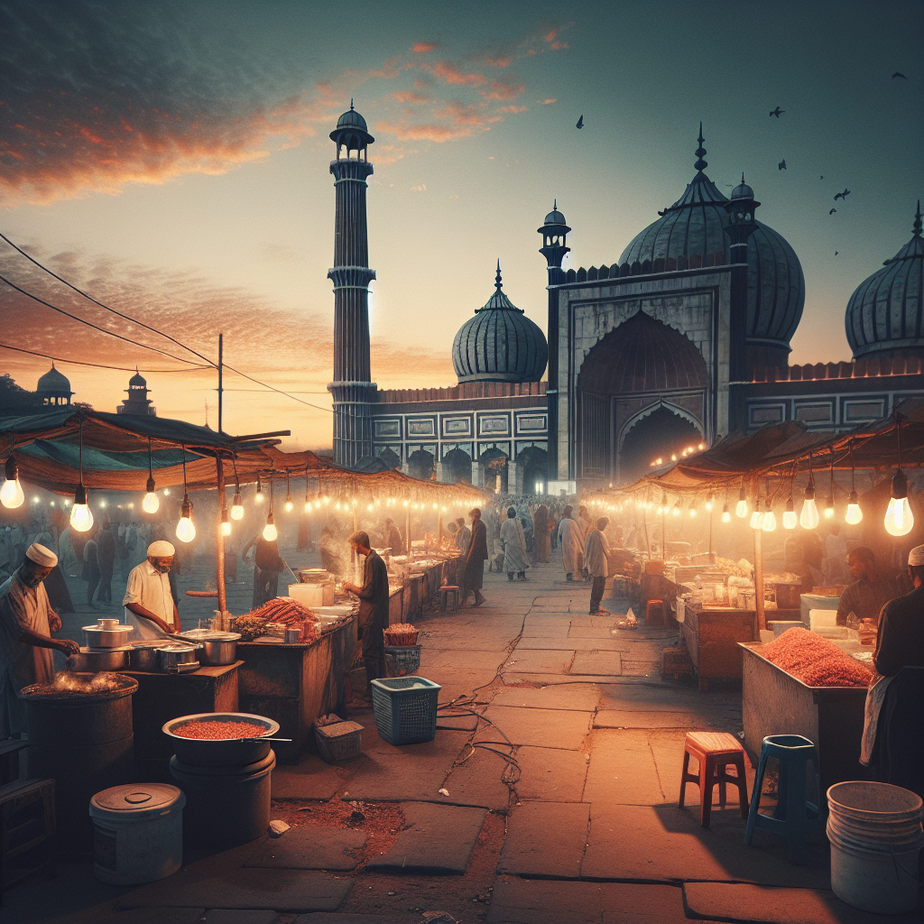
New Delhi — As the sun dips behind the sandstone arches of Jama Masjid, a soft hush spreads through Old Delhi’s labyrinthine lanes—until a burst of life returns at the call to Maghrib prayer. If you’re planning to experience Iftar in Delhi during Ramadan 2026, there’s no better place than Shahjahanabad. But be warned: you won’t just find kebabs and biryani. You’ll find a community ritual, a street-level feast, and flavors that haven’t changed since the Mughal court roamed these very paths.
Old Delhi’s Iftar Scene is Stepping Up This Ramadan
According to reports and local buzz, community Iftar gatherings in Old Delhi are shaping up to be bigger, more organized, and more Mughlai than ever in Ramadan 2026. While traditional Iftar offerings like dates, fruit chaat, and Rooh Afza remain staples, there’s a noticeable rise in curated Mughlai platters served at public feasts. Local food volunteers and some masjid committees are collaborating with street chefs from Matia Mahal, Ballimaran, and Chitli Qabar to put forth proper Nawabi spreads—think gosht korma, shahi tukda, and saffron-laced phirni.
The surge in interest is partly fueled by digital media. A viral YouTube vlog from last year showing a massive public Iftar outside Jama Masjid has added to the anticipation this time. Residents say that non-Muslim attendees have doubled in recent years, with many Delhites now making it a cultural outing, not just a religious one. Local eateries like Rehmatullah Hotel and Kareem’s (the OG) are forecasting longer waits and bulk orders. From Old Delhi Railway Station to Chandni Chowk Metro Exit Gate 3, the area is expected to draw larger footfall particularly during weekends of Ramadan.
What It Means For Locals & Daily Life
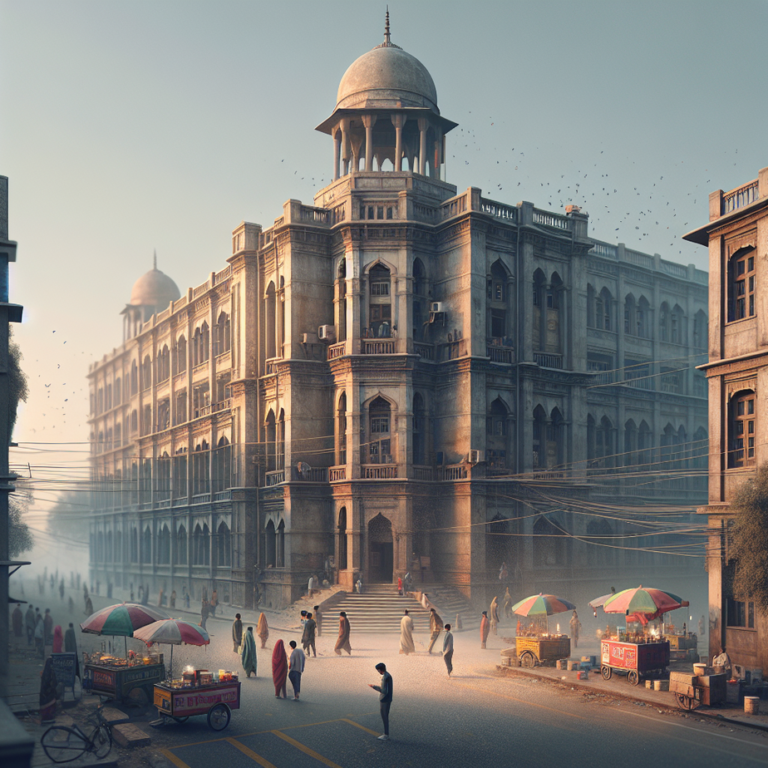
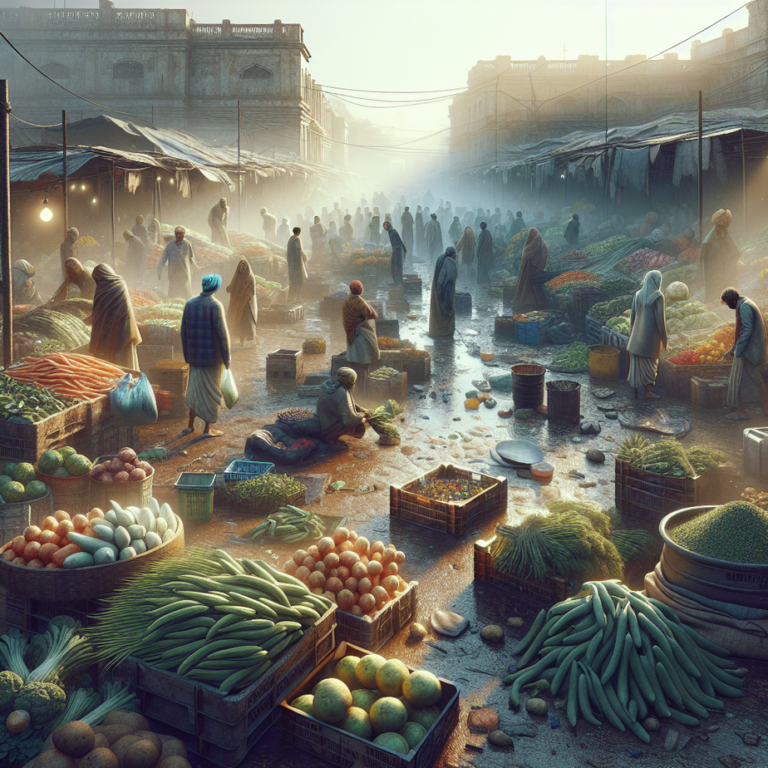
Ramadan evenings in Old Delhi are magical, sure—but they’re also chaotic. Office-goers returning through Chawri Bazaar Metro face longer platform queues and elbowed compartments. Delivery agents navigating Gali Kababiyan say they’re forced to park scooters blocks away and switch to foot delivery. “Every year it gets thicker with people. During Iftar, it’s just wall-to-wall humanity,” one vegetable seller near Sitaram Bazaar said. And yet, for many local families, especially those who live in Daryaganj or Turkman Gate, the air of shared spirituality and generosity outweighs the discomfort.
Students living in PGs around Zakir Nagar often take the Pink Line to Jama Masjid just to soak in the night’s energy. “It’s the only time my roommates and I queue up for food and come away talking to strangers,” says Tanya, a DU student. Street vendors lining up jalebi carts and kebab skewers say even one evening’s haul during Ramadan matches a whole week of sales otherwise. Families also often come in together in groups, especially on Fridays, leading to tempers flaring near battery rickshaw stands and crowded water coolers. So yes, if you’re visiting, go early—and bring patience.
Look Back to Move Forward: Where This All Began
Old Delhi isn’t improvising here—it’s hearkening back. The Mughal city, founded by Shah Jahan in the 17th century, has always used food as a form of both devotion and diplomacy. The concept of “dastarkhwan-e-Ramzan” (Ramadan dining mats) was a royal tradition where emperors invited all classes to break fast together. That idea lived on in shrine langars and family homes even as empires fell.
Compare that to cities like Hyderabad or Lucknow, where Iftar is typically more private, within homes or designated mosque areas. Delhi has always kept its food social, maybe even performative. During the 1990s, personal kitchens carried the load but now, thanks to nonprofit groups and street chefs scaling up, public community Iftars are reclaiming prime space—outside mosques, under metro piers, and even at traffic islands. The food remains simple in principle—dates, water, samosas—but the mood? Generous, theatrical, almost defiant in its warmth. In a time when the world pulls apart, Old Delhi seems to gather stronger during this month.
Your Iftar Game Plan for 2026
- Arrive by 5:45 PM if you want to grab a spot near Jama Masjid—it starts filling up by 6:15 PM, especially on weekends.
- Avoid getting off at Chandni Chowk Metro Station on peak days; use Lal Qila or Jama Masjid Metro for easier foot traffic navigation.
- Carry small cash notes (₹10-₹100) for quick food buys; UPI is spotty in some bylanes, especially near Ballimaran.
📍 Spot Check: Must-visit Iftar trails include Matia Mahal Lane near Gate No.1 of Jama Masjid, Gali Qasim Jan in Ballimaran, and Bazar Matia at Chawri Bazaar Metro Exit 2. Look for the glowing fairy lights overhead and steaming pots just after 6 PM.
The Final Word
Old Delhi’s Ramadan isn’t just about food—it’s about gathering where faith meets grit. For one month, the city’s oldest artery turns into a living, breathing reminder of community. It can get clumsy, yes. But it’s real. From the tang of lime squeezed onto seekh kebabs to the clink of steel plates passed hand to hand, this is where Delhi softens around the edges. Going solo? No problem. You’ll be invited to someone’s meal anyway. Would you break your fast under the minarets this year?
People Also Ask
Is this officially confirmed?
Yes, but implementation on ground may vary.
Who benefits the most?
Daily commuters, students and small shop owners.
Any hidden catch?
Check timings & local enforcement.
Have something to say? Drop a comment below!
#Delhi #OldDelhiEats #Ramadan2026 #FoodCulture #CommunityDining
About the Author