New Delhi — Ever found yourself aimlessly scrolling reels, only to stumble on a surreal blend of Korean minimalism and Indian motifs? Yeah, now picture that, live, under one roof—right here in Delhi. The India–Korea Art Exhibition has landed in town, and it’s turning Bikaner House into a cultural double date you didn’t know you needed this monsoon.
Why Korea and India Just Click—In an Art Gallery
This isn’t your usual embassy-funded art thing where you sip tea and awkwardly squint at abstract strokes. The India–Korea Art Exhibition is a full-blown dialogue—think of it as Dilli meets Daegu. Curated to commemorate 50 years of diplomatic relations between the two countries, this event is an open invitation to explore how traditional and contemporary art from both sides speak to each other, clash, and sometimes unexpectedly hug it out.
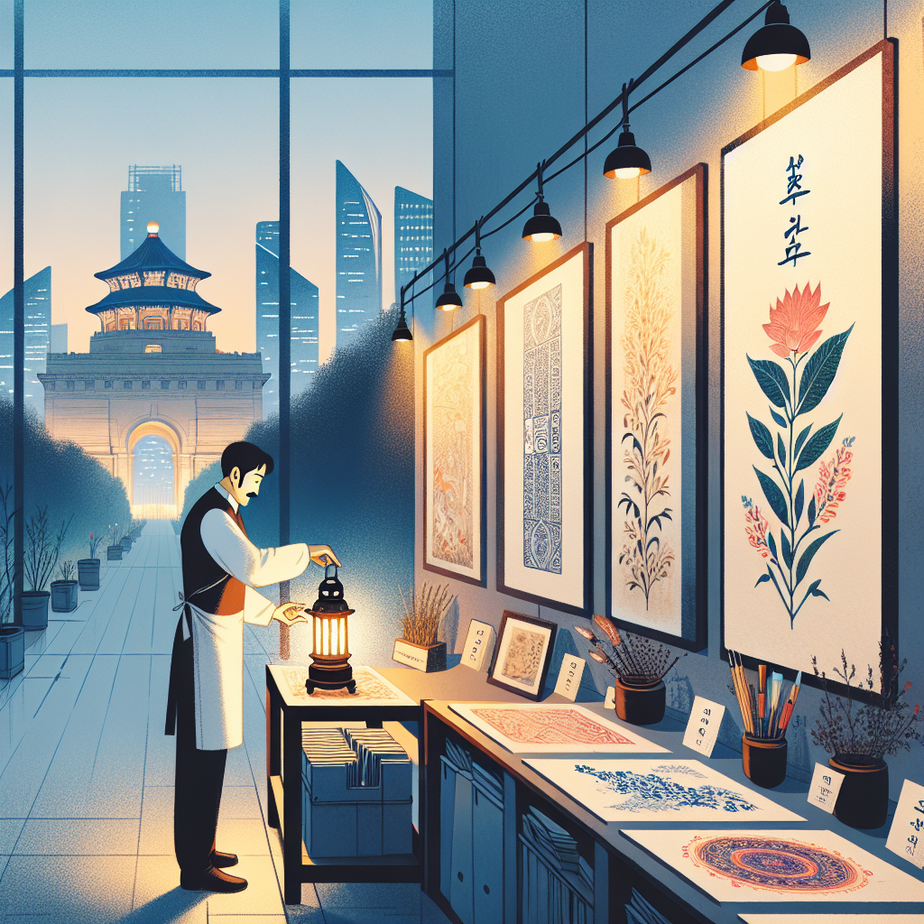
Hosted at Bikaner House (our unofficial culture adda between India Gate and Khan Market), this exhibition showcases works from over 30 artists—Indian and Korean alike. You’ll find Korean Hanji paper installations echoing the fluidity of Kalamkari, or see calligraphy meet Kathak in brush strokes. And they’re not just hanging some meh canvases here—you’ve got mixed media, ceramics, textile, and even digital installations. One piece even uses AI-generated motion capture to explore classical Indian dance, backed by Korean drumming audio. File under: unexpectedly jaw-dropping.
The exhibition runs for three weeks and includes guided walkthroughs on weekends, along with open-to-public artist discussions on Saturdays at 4 PM. No entry fee. Just show up with curiosity and maybe a charged phone for all the Insta stories you’re about to post.
Why This Matters More Than You Think
Sure, not all of us are tea-sipping art types, but this exhibition hits personal for Delhiites. If you’re living in a PG near Amity Noida or hustling your 12-hour shift in Cyber Hub, there’s something oddly comforting in seeing our cultural stories appreciated—and mirrored—by another nation. In a city where Korean culture often gets reduced to spicy noodles and BTS merchandise in Sarojini, this exhibition actually gives it dimension. It’s visual proof that two vastly different cultures can sit in dialogue, not just coexist in food courts.
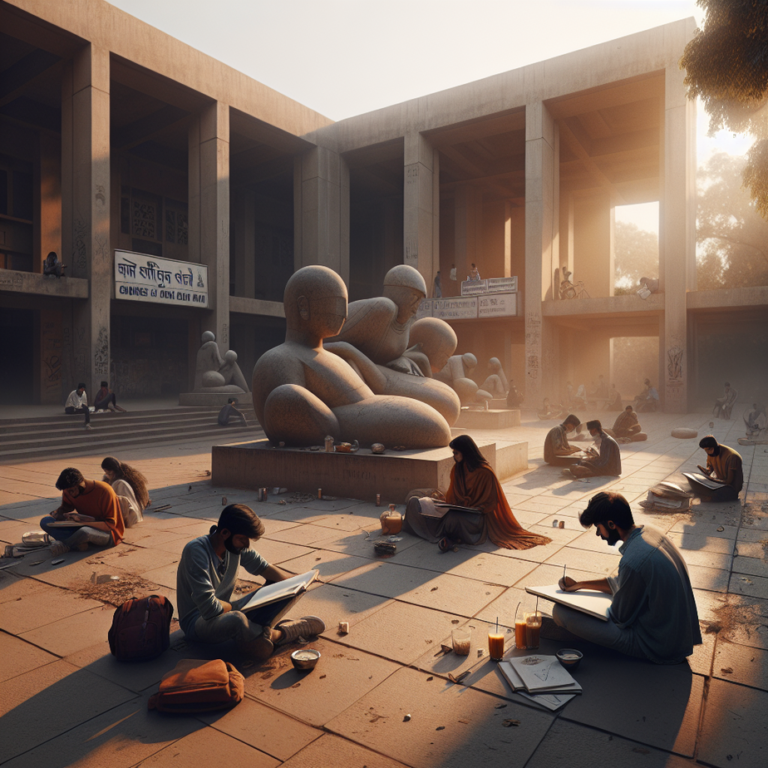
For college students, especially SRCC or South Campus types neck-deep in end-semester stress, it’s a rare moment of slow culture. For Gurgaon’s IT crowd, this might even be a networking event disguised as a date idea—yes, it’s that aesthetically legit. And not to forget—this kind of soft power exchange also makes future cultural scholarships and residencies between the two countries more likely. So yeah, it’s not just seminars and selfies. It’s policy-adjacent.
India and Korea Aren’t New to This Cultural Dance
This exhibition isn’t a one-off. India and Korea have shared cultural vibes for decades—remember how Buddhism trickled both ways? And in the ’90s, Delhi was already hosting rotating Korean film weeks at India Habitat Centre. What’s new is the scale: previously, artistic crossover was modest, sometimes feeling like a school project. But compare that to now—with full institutional collaboration between Korea Foundation and the Indian Council for Cultural Relations (ICCR), we’re talking budget, intention, and real curatorial effort.
Interestingly, in 2012, a similar Indo-Korean art event at Lalit Kala Akademi drew modest crowds. Back then, the takeaway was “potential.” But considering how Korean culture has exploded in India recently, it only makes sense Delhi becomes the first pit stop for such ambitious cultural crossovers.
📍 Spot Check: You’re heading to Bikaner House, just off Pandara Road. Nearest metro is Khan Market (Violet Line), but you could also auto in from India Gate if you’re old school. Post-art, refuel at Civil Lines Wala Chole Bhature next to the India International Centre, or down a cold coffee from Café Turtle in Khan.
The Final Word
For a city constantly negotiating between past and future, Lajpat Nagar and Lado Sarai, this India–Korea art exchange is an oddly healing pit stop. It’s less about liking “art” and more about soaking in how others see us—and how we see ourselves. Is this a Yay? Absolutely. Maybe don’t expect a concert-level buzz, but do expect moments that sneak into your memory uninvited.
Have something to say? Drop a comment below!
#IndiaKoreaDialogues
#DilliDoesArt
#KCultureInCP
#BikanerHouseBuzz
#SoftPowerScenes
About the Author