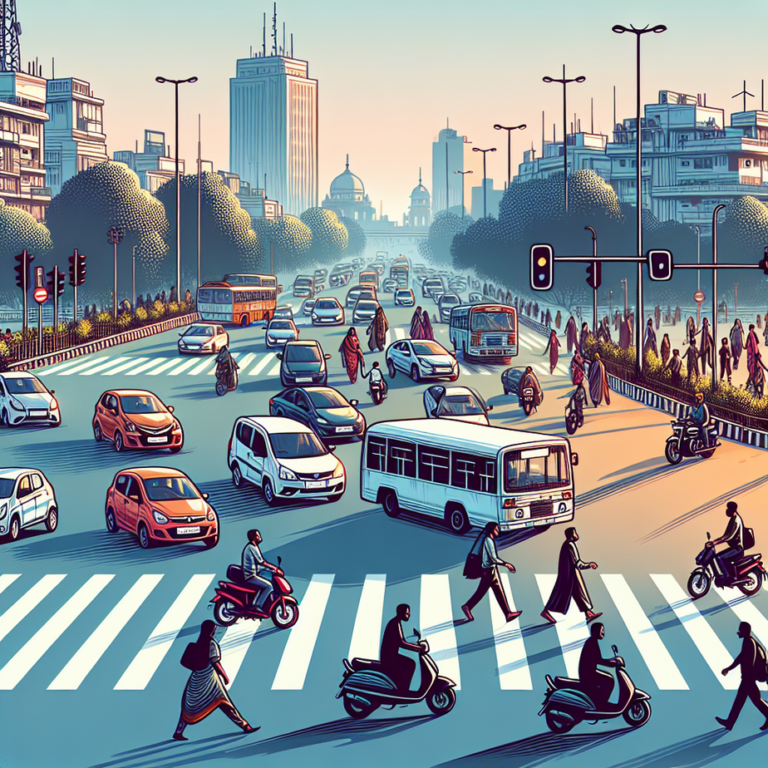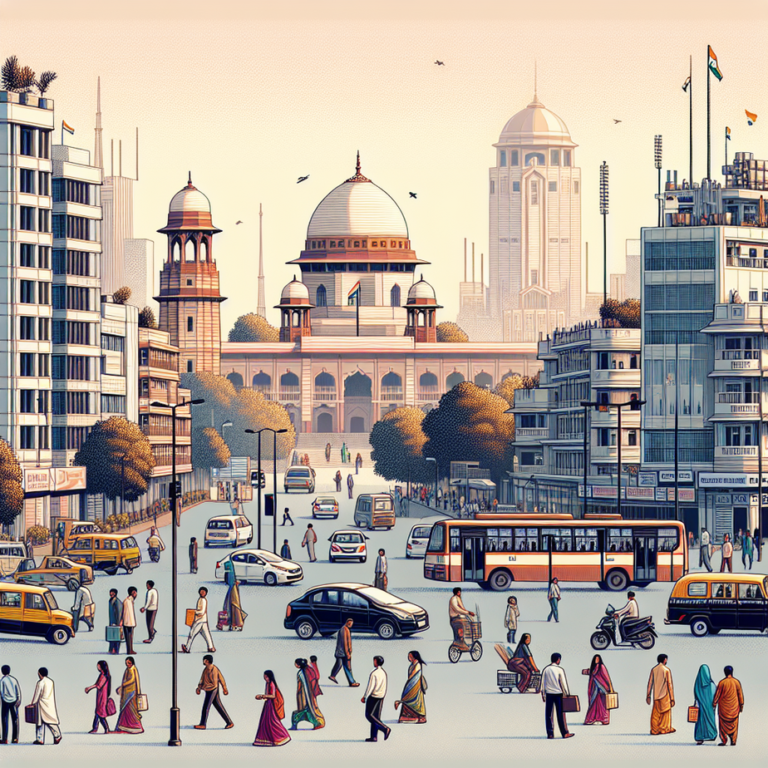
Description (for thumbnail): Delhi quietly turns into India’s test bed for urban green energy innovation.
It’s easy to overlook quiet revolutions. Especially in a city like New Delhi, where the soundtrack is a persistent hum of traffic, human energy, and political drama. But amid this chaos, a remarkable story is beginning to unfold—Delhi is slowly but surely transforming into a laboratory for India’s green energy future.
This past week, the Delhi government launched its ambitious ‘Green Delhi Electric Vehicle Promotion Drive,’ backed by updated EV policies that offer broader subsidies, faster registration, and wider public infrastructure. On paper, it may sound very policy-driven and dry, but look closer and the implications could be historic. For the first time, a city in India is treating sustainable energy not as a side project, but as a cultural and infrastructural shift. E-rickshaws are being complemented by incentives for electric two-wheelers and shared mobility, neighbourhood charging stations are popping up in surprising corners of the city, and perhaps most significantly, everyday Dilliwalas are starting to take note.
The Delhi government isn’t doing this alone. Homegrown innovators, startups, and energy-conscious citizens are stepping up. A group of college students from Delhi University has launched a community-powered app that maps charging stations in real time. In Dwarka, a local residents’ welfare group installed the city’s first community-funded solar charging port in a public park. These aren’t headlines—yet. But they are flashes of a sustainable future being written quietly by regular people.
Of course, challenges remain. The air in Delhi is still chokingly grey every winter. Grid power is still not green enough. And progress in waste segregation and recycling leaves a lot to be desired. But the green energy movement is one of those hopeful first steps that could become the foundation of broader environmental reform. For younger Delhiites, this shift also carries a particular kind of optimism—that one doesn’t need to wait for the distant promise of a developed India. We could build it from within—starting with our bylane charging hubs, modular electric scooters, and green start-ups that feel more like movements than corporations.
What truly gives this green shift an edge is its approachability. For once, sustainability isn’t being treated like elite activism. The policies are designed to bring in autorickshaw drivers, food delivery bikers, local kirana owners, and college students. It feels rooted, reachable, and refreshingly citizen-centric.
As the initiative gears up for its second phase later this year, which includes smart grids and solar-powered traffic systems, there’s a lesson here for cities across India—and even the world. True innovation often begins not in silence, but in small steps. The quiet hum of an electric rickshaw turning a corner in Lajpat Nagar might one day echo louder in the annals of urban policy than a thousand dusty white papers.
For Delhiites, the opportunity lies in participation. Observe, share, engage, support local green entrepreneurs or tech-savvy teens working on e-solutions. By becoming early adopters, we don’t just reduce our personal emissions—we help normalise a cultural shift.
So the next time you see an EV charging station next to your favourite momo stall or spot a new solar panel atop your colony market, take a moment and smile. The quiet green revolution in the capital has begun. And maybe, just maybe, it’s going to take all of us to ensure it grows beyond the city—to become the movement our skies are waiting for.
#DelhiGoesGreen
#EVRevolutionIndia
#SustainableDilli
#UrbanEcoShift
#GreenEnergyNow
About the Author