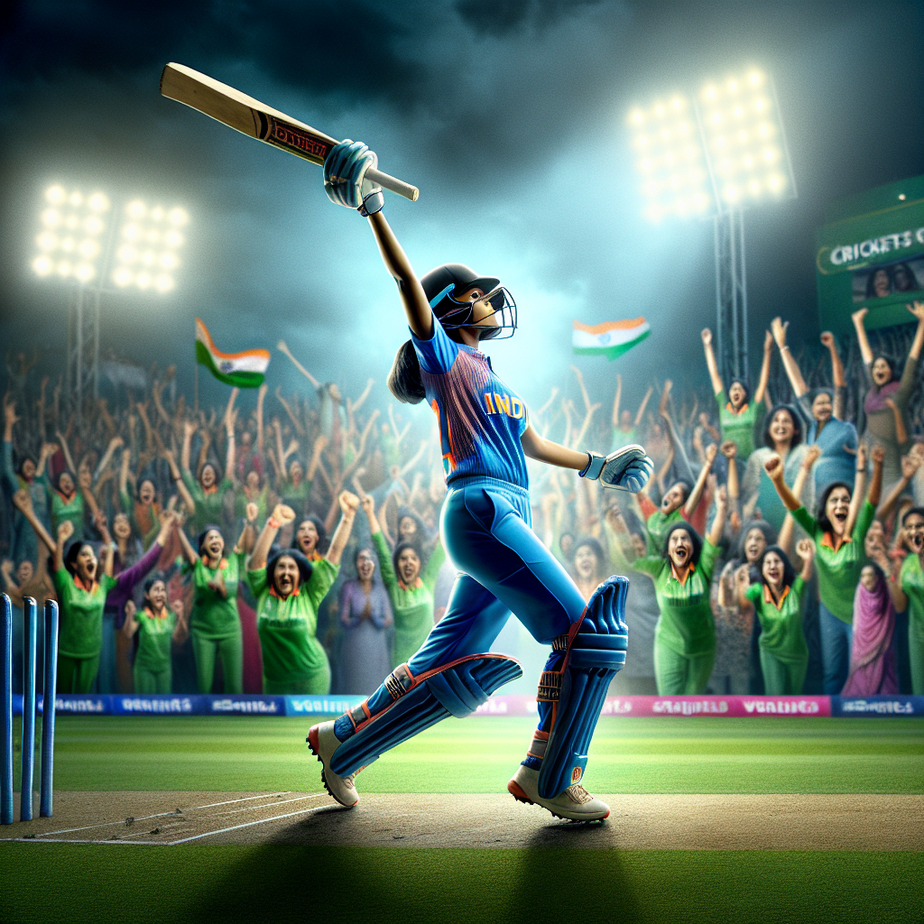
The world of Indian cricket is stirring with a new kind of magic—one graced not by seasoned male legends, but by the fierce and fresh energy of India’s women cricketers. As the Women’s Premier League (WPL) recently wrapped its thrilling second season, it’s becoming increasingly clear that the conversation around the sport in India is evolving for the better. Cricket, long seen as a bastion of male sporting glory in this country, is gently but unmistakably being reshaped by the likes of Harmanpreet Kaur, Smriti Mandhana, Shafali Verma and the sensational newcomer Saika Ishaque.
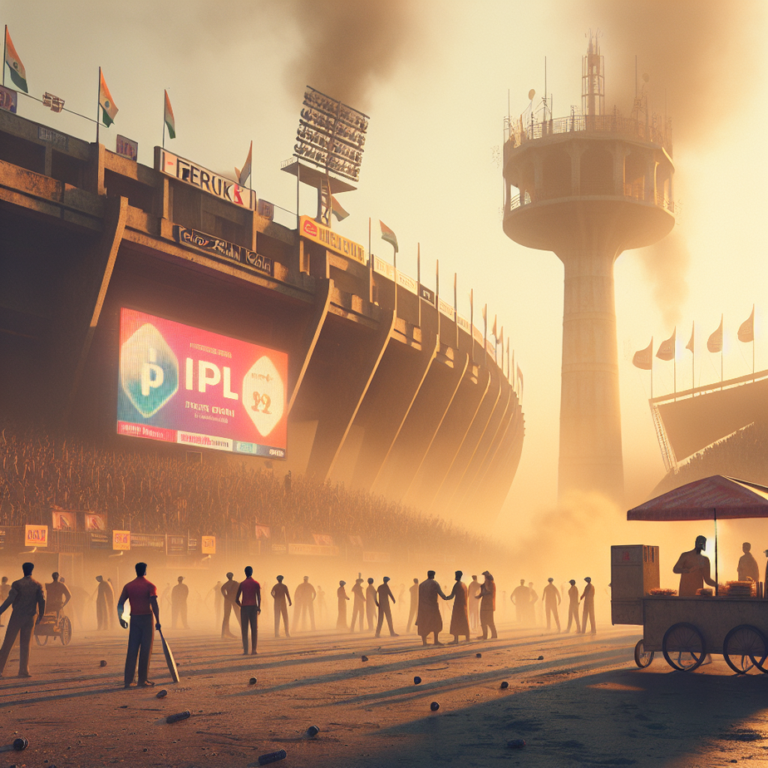
What makes this development even more heartwarming is the way fans have responded. Stadiums aren’t just filling up for the men’s matches anymore. The crowd at the WPL games this season, particularly in Delhi and Mumbai, brought the same electric energy—the kind once reserved for an India-Pakistan ODI. From cheering every boundary to waving placards and painting tricolours on their faces, fans are embracing women’s cricket as a spectacle in its own right.
This shift is long overdue, and it feels emotionally powerful because it belies deeper social change. Until recently, most aspiring female cricketers in India navigated an arduous journey devoid of infrastructure, mentorship and marketable visibility. Today, with the WPL delivering primetime telecasts, sponsorships, and greater pay parity, cricket is becoming a viable career for young women. It might not yet rival the men’s IPL in money or glitz, but in terms of spirit, it may have already surpassed it.
One of the more touching stories from this season involved 18-year-old Kashvee Gautam, the Punjab fast bowler who made headlines after becoming one of the most expensive uncapped players. Her joy on being bought, her family’s pride, and her social media post thanking her childhood coach spoke volumes about the journey women athletes in India have long travelled silently. These moments, amplified by national coverage and celebratory tweets from celebrities, widen visibility and normalize ambition among young girls watching from small town India.
Despite the celebration, challenges remain. There is still stark inequality in match fees, delayed payments, and limited domestic exposure. But the mood now is one of constructive awareness, not resignation. Fans and players alike are raising questions, demanding solutions and celebrating incremental wins. Importantly, this change is not feeling top-down, but grassroots-led. It is fans cheering from the stands, young girls switching their TV sets to WPL matches, and entire families now discussing the women’s game during dinner conversations that is pushing the dial.
Delhi, with its cricket-loving culture and ever-alert audience, finds itself at the heart of this change. The Arun Jaitley Stadium hosted multiple WPL games this season, and the turnout there speaks volumes about the city’s readiness to embrace this new cricket culture. Initiatives like free entry for women and girls also helped, but the core attraction remains the game itself—the good cricket being played, the rivalry, the resilience, and the pure joy.
There’s something deeply satisfying in watching more and more young Indian women take up space with confidence and skill in a sport where they were once spectators more than players. The hope is that this quiet revolution continues—fueled by fandom, grounded in fair policy and celebrated culturally for the trailblazing spirit it carries.
So maybe it’s time we all watched a bit more women’s cricket—not just out of political correctness, but because it’s exciting, real, and reflective of a changing India that lets talent shine, no matter its gender.
#WPL2024 #WomenInCricket #SmashTheStereotype #CricketForAll #DelhiLovesCricket
About the Author