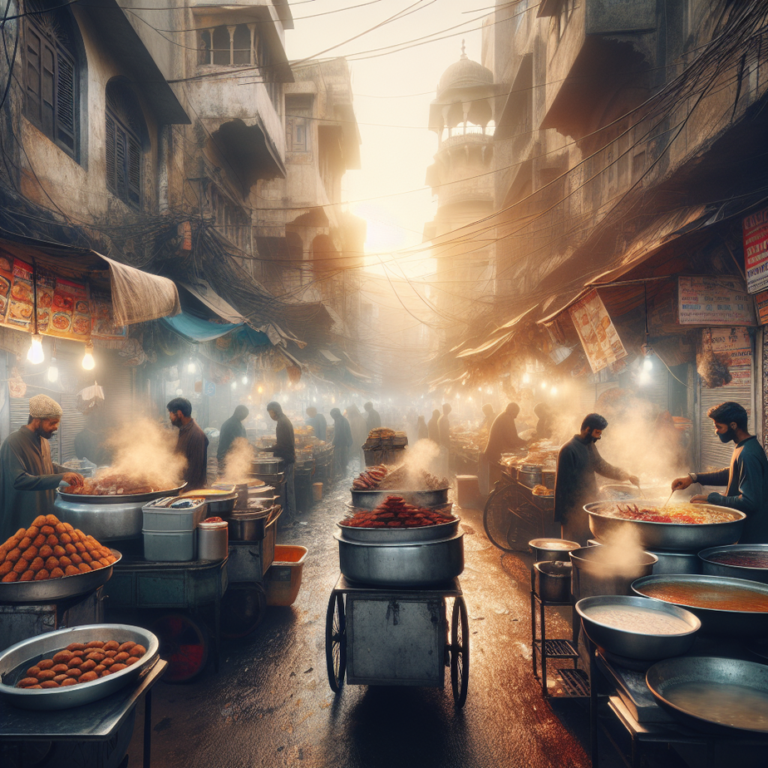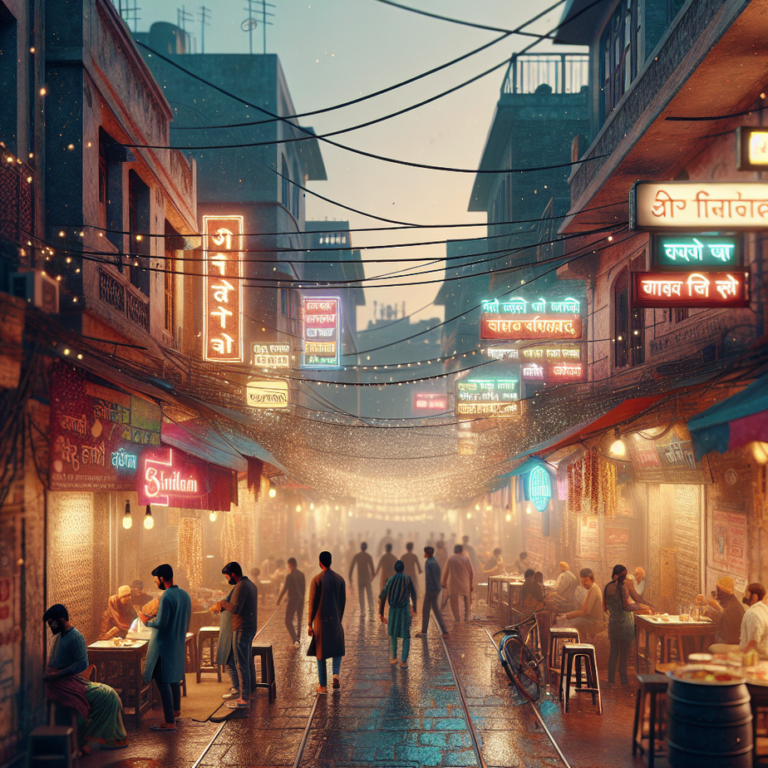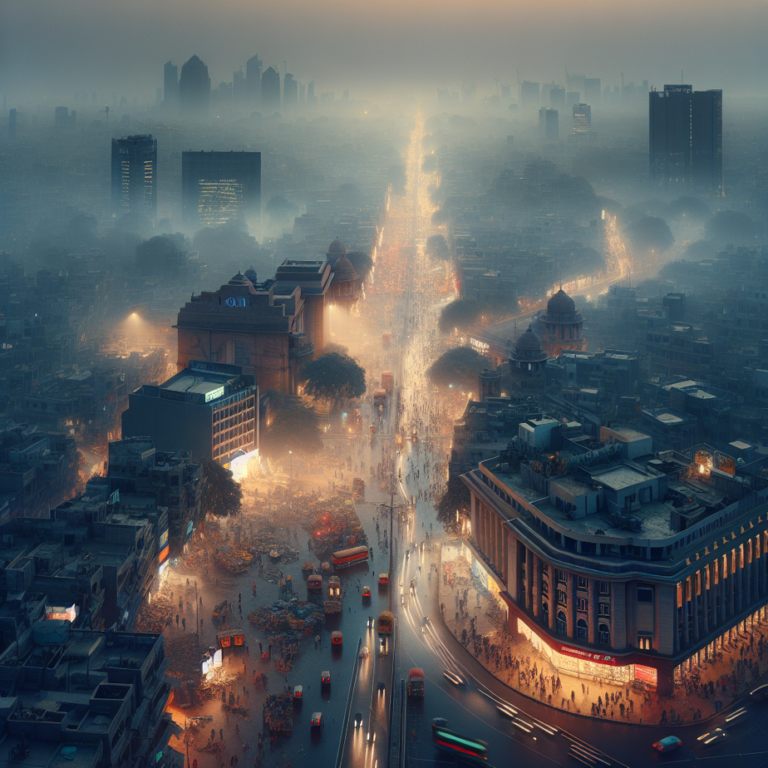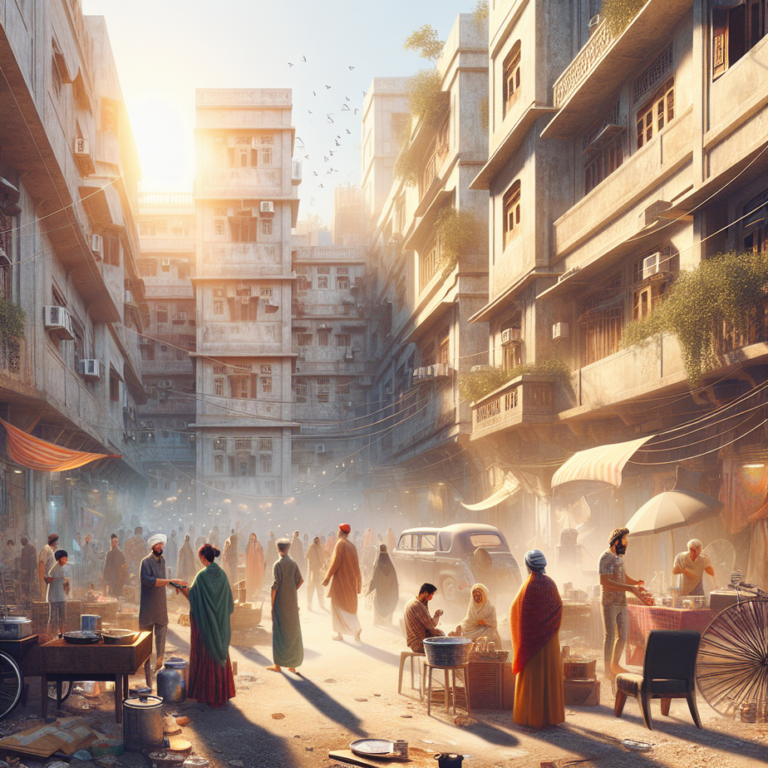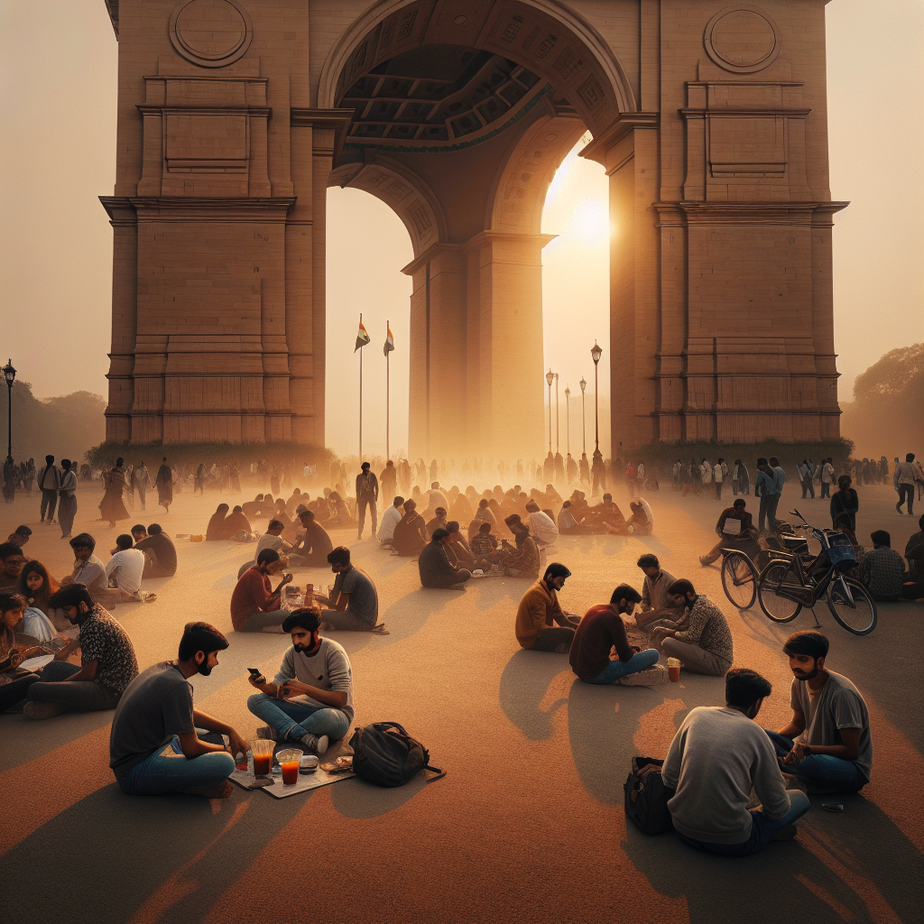
New Delhi — Ask any Delhiite over a chai at Patel Chest or a stroll near Hudson Lane, and chances are they’ve got a ‘Rang De Basanti’ phase etched into their youth. As Rakeysh Omprakash Mehra’s cult classic turns 20, it’s not just a movie anniversary—it’s a mirror moment for Delhi. The kind where fiction once borrowed from Delhi’s lived realities, and now, Delhi borrows its angst and idealism right back from the screen.
“RDB” Wasn’t Just a Film—It Was a Feeling in Dilli
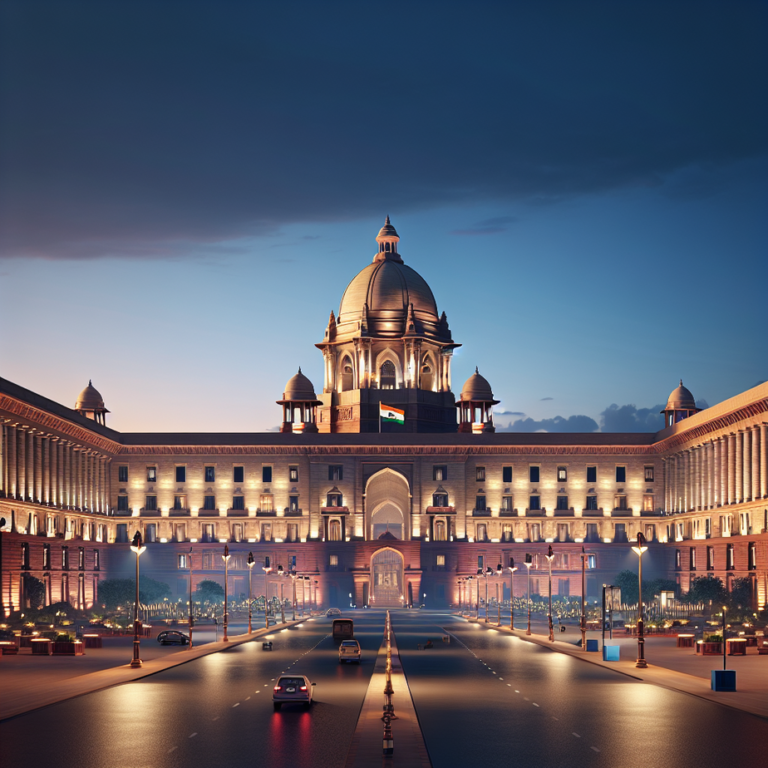
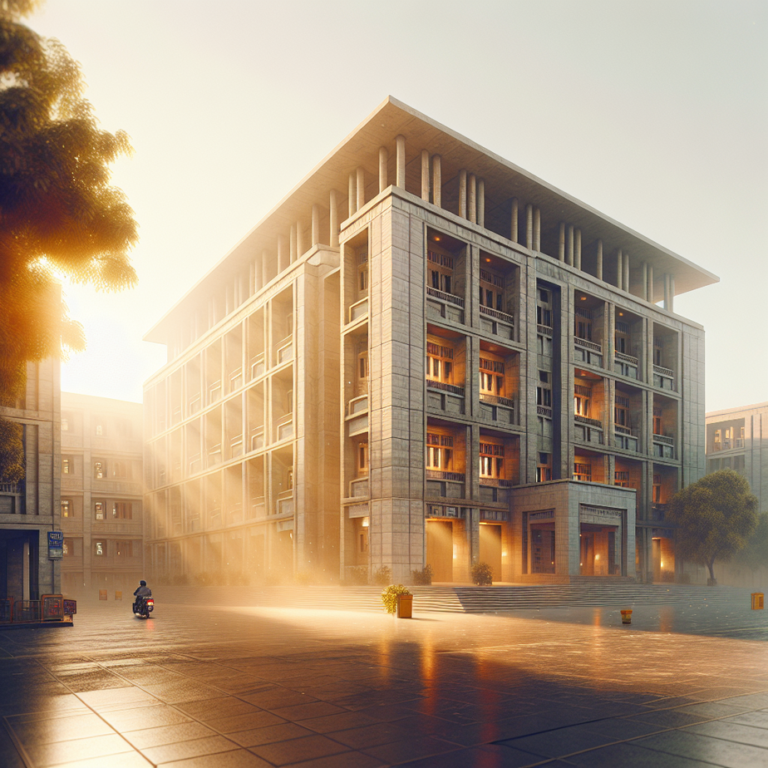
When Rakeysh Omprakash Mehra set out to tell a story about disenchanted youth and buried histories in ‘Rang De Basanti’, he didn’t start in a film studio—he started in Delhi’s bylanes. Twenty years later, he says, “We borrowed from real life, and then real life borrowed from us.” Shot across Delhi’s iconic landmarks like India Gate and Delhi University North Campus, the film struck a nerve with students skipping classes, rickshaw drivers blasting the soundtrack, and even middle-aged professors nodding along to its biting commentary.
The story—revolving around five students who go from aimless fun to revolutionary action—is now something of a cultural artifact. But here’s the kicker: its dialogue and visuals are still part of Delhi’s live DNA. Graffiti near Vishwavidyalaya Metro still quotes DJ’s monologues, and “Zinda” plays on loop in select bars in Hauz Khas Village every 26th January. The city didn’t just watch RDB—it inhaled it, then slowly exhaled that spirit into protest marches, candlelit vigils, and exhibitions.
Yeh Dilli Hai, Bhaisahab. It Remembers.
For many college-goers in North Campus, RDB wasn’t just throwback Thursday stuff—it was relevant, real, even instructional. “It’s in our bones now,” said a psychology grad student near Arts Faculty, “from knowing what revolution looks like, to romanticizing India Gate at night.” Auto drivers outside Rajiv Chowk station still recall how after the movie released in 2006, youth protests saw record turnouts. “Tabse toh India Gate sarkaari nahi, janta ka ho gaya,” a shopkeeper near Bengali Market humorously pointed out.
Today, civil society protests still begin at Jantar Mantar and end with a candle march at India Gate—eerily similar to RDB’s scenes. Offices in Nehru Place or Connaught Place saw sudden spikes in sick leaves back then, as employees joined vigils against corruption or unfair laws. Families in South Delhi housing societies report their teenagers quoting Bhagat Singh, thanks to late-night re-watches of the film. Even tuition centers in Laxmi Nagar remember prepping less for competitive exams and more for sudden street parchas.
From Youth Movement to Cultural Compass
When the film released in January 2006, Delhi was on the cusp—post-liberalisation wealth was everywhere, but so was disenchantment among the youth. Social media wasn’t yet the rage. Watching ‘Rang De Basanti’ became a catalyst for dialogues that until then were only whispered over bun maska at Wenger’s or during DTC bus rides down Ring Road.
In comparison to places like Mumbai or Bangalore where activism often stays within campuses, Delhi’s spatial closeness between universities, government buildings, and protests made all the difference. You could metaphorically—and literally—go from a college canteen to a protest in 10 Metro stops or less. That convergence is what made Delhi the soul of RDB, and RDB the soul of Delhi for many.
What You Can Actually Do (Not Just Hum Anthems)
- Catch a screening! Several Delhi indie cafes like Kunzum in Gurgaon or India Habitat Centre’s Stein Auditorium often have anniversary screenings. Keep an eye on Zomato Live or Insider.
- Visit the locations. Plan a mini RDB trails route: start with DU North Campus, head to Safdarjung Tomb where scenes were shot, and end at India Gate for a late-night reflection.
- Pick up the soundtrack on vinyl or digital to re-immerse. Music shops in Shankar Market and even Daryaganj Sunday Book Market often have collector’s editions.
📍 Spot Check: Vishwavidyalaya Metro Station, India Gate, North Campus back lanes near Kamla Nagar, and the Safdarjung Tomb gardens offer tangible glimpses of RDB’s physical imprint on the capital.
The Final Word
As Rakeysh Omprakash Mehra reminds us, stories inspired by real life have a funny way of coming full circle—and in Delhi’s case, inspiring real life back. Whether you’re a DU student scribbling song lyrics on hostel walls or an auntie prepping for Republic Day with “Luka Chuppi” on blast, the spark of RDB lingers. In a city that juggles memory and movement daily, it’s worth asking: what will our next Rang De Basanti moment be? And who among us will answer the call?
People Also Ask
Is this officially confirmed?
Yes, but implementation on ground may vary.
Who benefits the most?
Daily commuters, students and small shop owners.
Any hidden catch?
Check timings & local enforcement.
Have something to say? Drop a comment below!
#Delhi #NorthDilli #CinemaIcons #YouthVoices #TrendingNow
About the Author