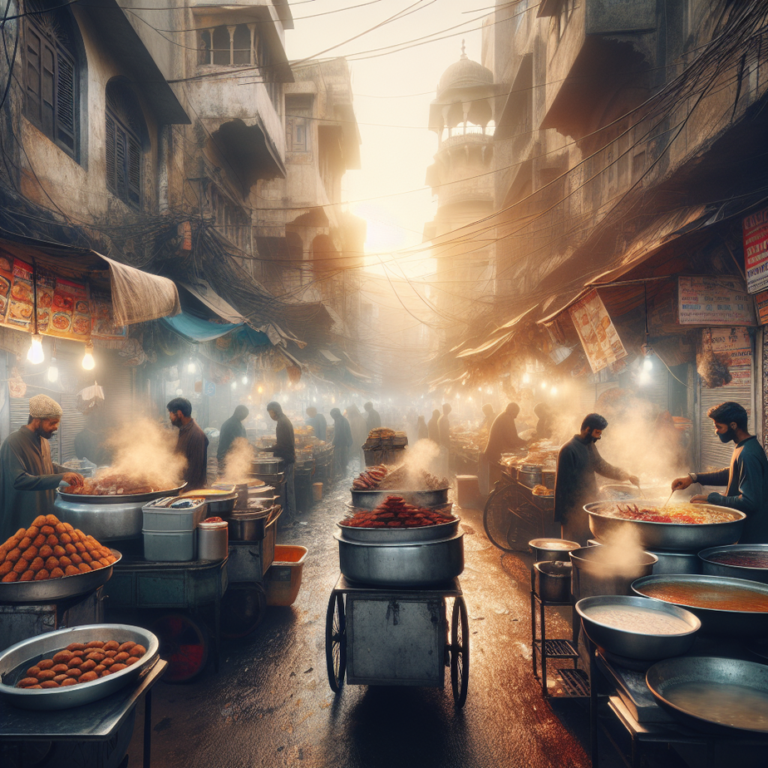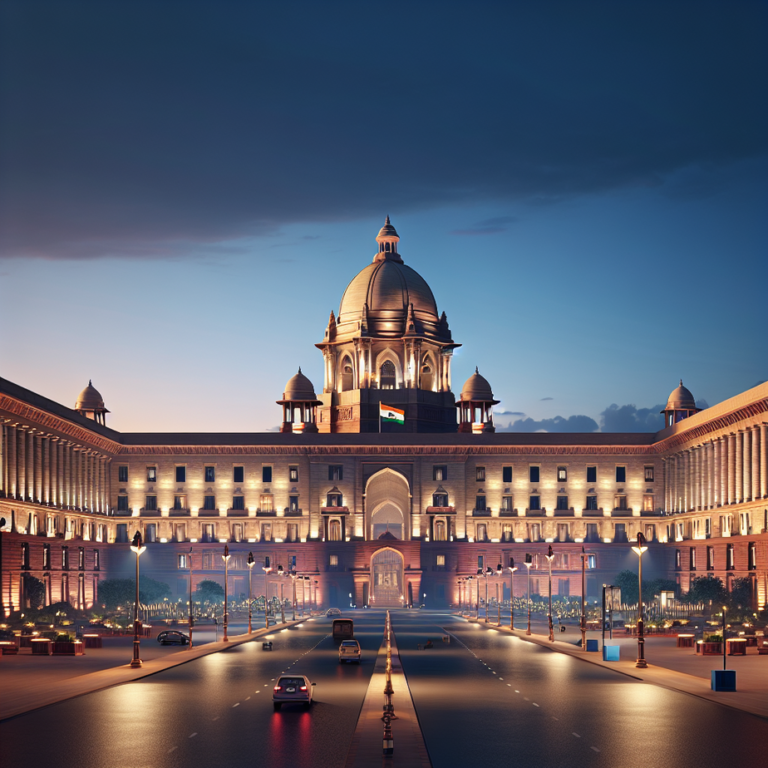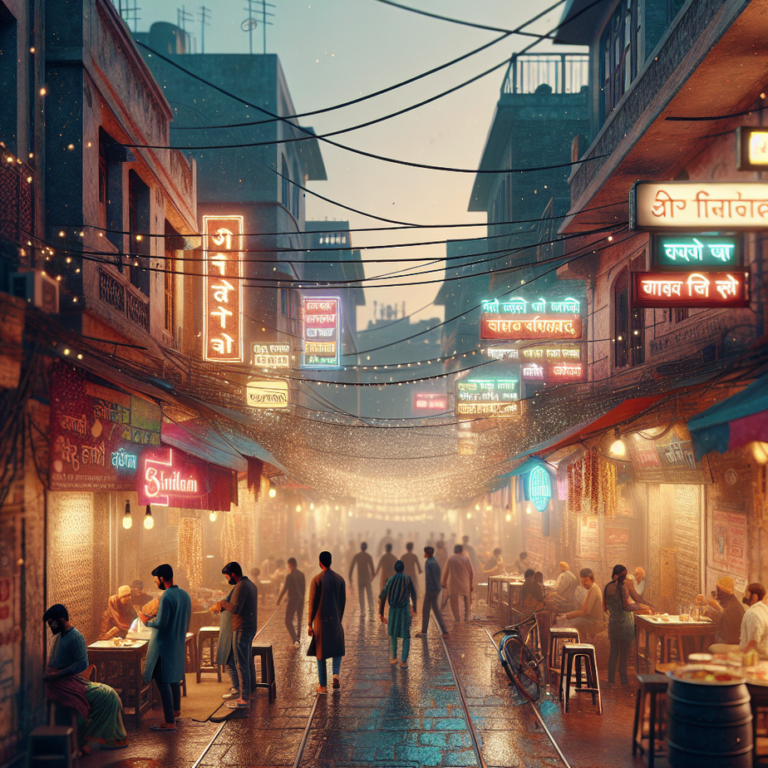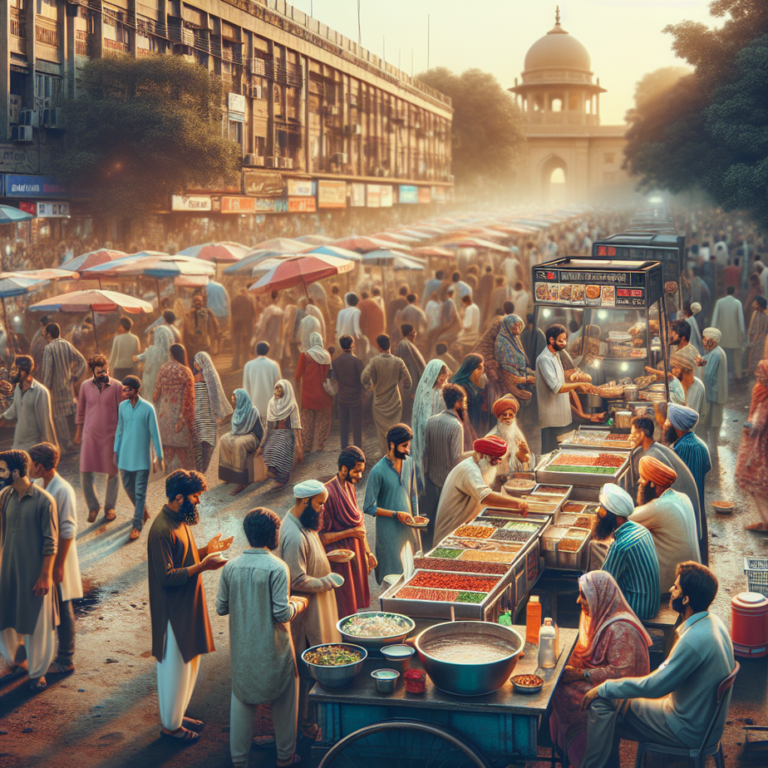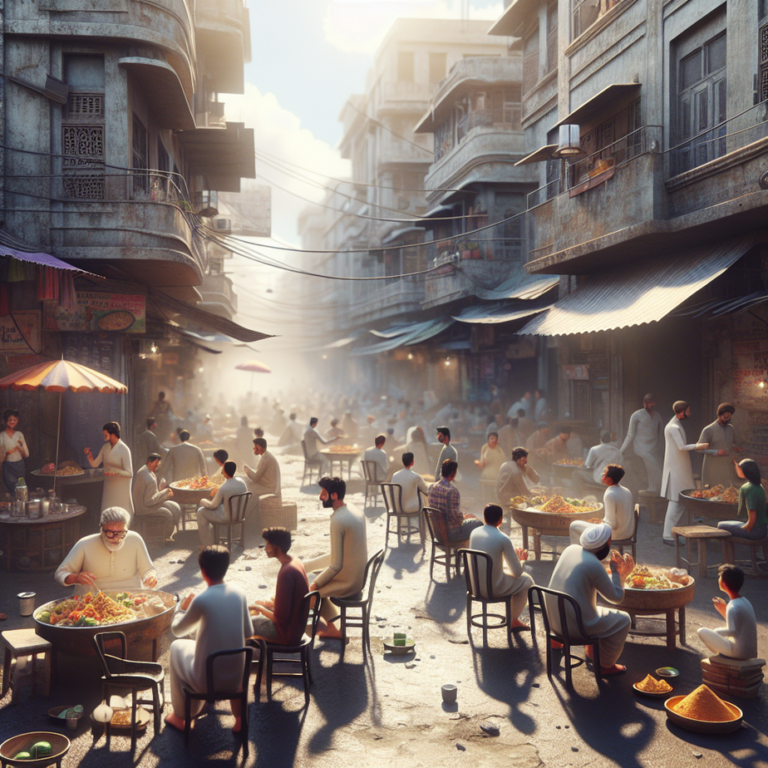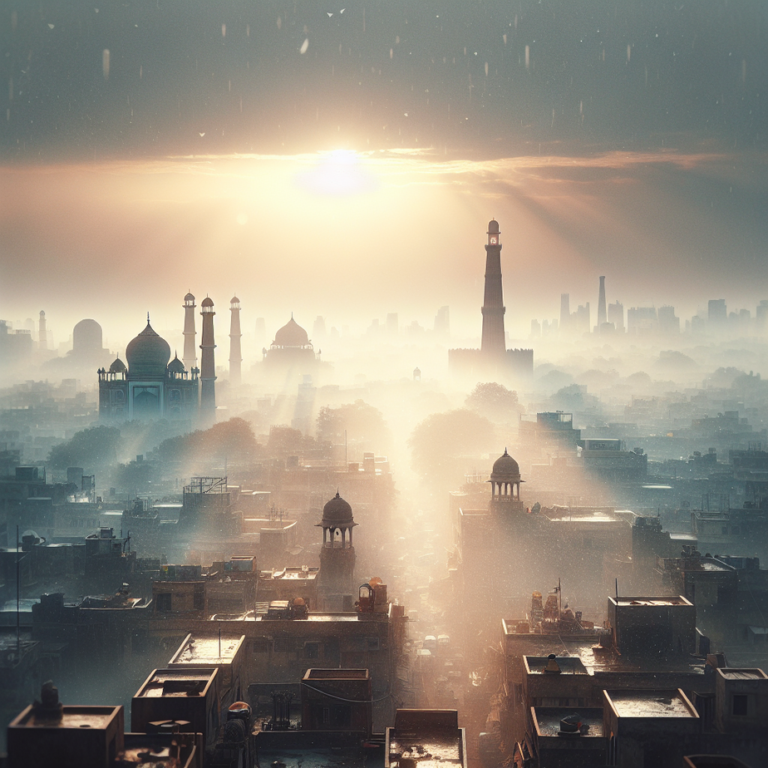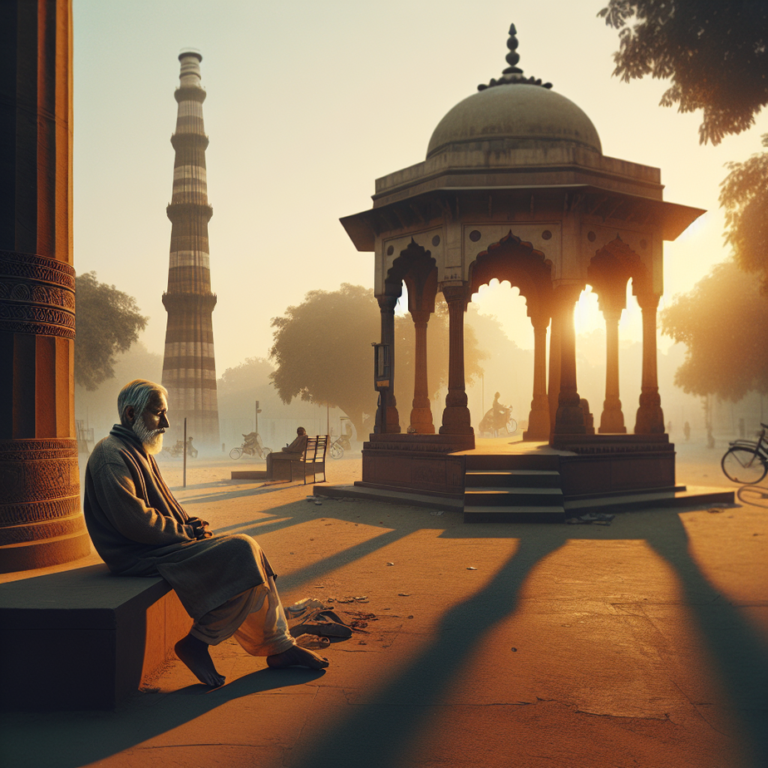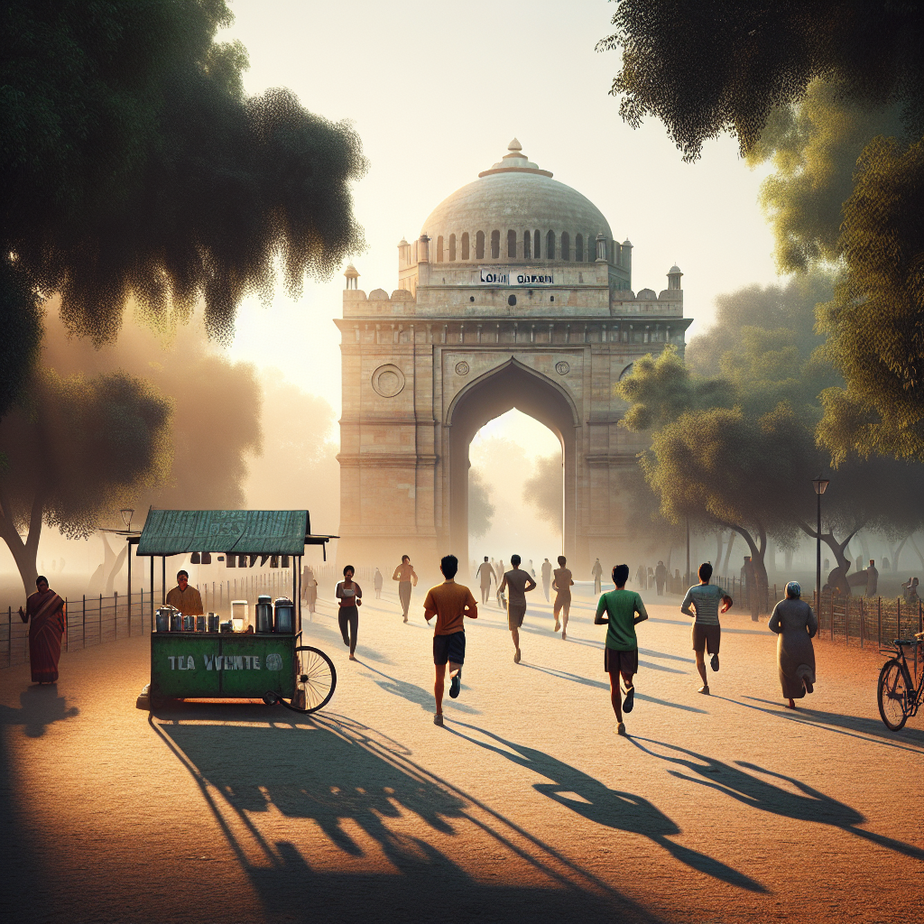
New Delhi — Another Budget season, another round of hope—and nerves—rippling through Delhi’s hospitality streets. From the chai stalls outside Jama Masjid to rooftop cafes in Mehrauli, the city’s travel and tourism industry is watching closely. Will this be the year the government finally treats tourism like the economic engine it’s capable of becoming? Or are we in for yet another season of missed opportunities and red tape?
Why Delhi’s Hospitality Hopes Are Tied to Budget 2026
Hotels near Karol Bagh, travel agents in Lajpat Nagar, and eco-resorts tucked on the Gurugram fringes have submitted their wishlist for Union Budget 2026. Top of the list: infrastructure status for the hospitality sector, lower GST on hotel tariffs, and incentives for domestic tourism. Right now, tourism contributes close to 9% of India’s GDP, but still gets treated like a side gig. Industry voices say that’s not just unfair—it’s bad economics too.
According to a joint industry appeal covered by sources like Hotelier India, hospitality leaders are asking Finance Minister Nirmala Sitharaman to prioritize three things: single-window clearance for setting up projects (too many operators are stuck for months in NDMC and MCD paperwork), a reduction of GST slabs for hotel rooms to spur domestic bookings, and allocation of larger marketing funds to promote India (and especially Delhi) as a year-round destination. “If Vietnam and Thailand can pull international visitors consistently, why can’t we?” asked one hotel manager near Connaught Place.
What’s At Stake For People on the Ground
If you’re a U-special student backpacking from DU North Campus to Kasol via Majnu Ka Tilla, you may not care too much about budgetary jargon. But when that Rs 1200 hotel room becomes Rs 900 because of a GST revision, or when ISBT’s facilities get an upgrade, you’ll feel it. Office-goers who travel for sales summits or families planning their summer break in Manali stand to gain the most.
Residents near Aerocity report that hotel recruitment is slowing—not due to lack of demand, but because projects are stuck in approval bottlenecks. “A shopkeeper near Gole Market said he sees fewer tourists walking around even in peak season now,” locals report. “They prefer Noida or even Jaipur, because travel agents there offer better packages with tax benefits.” The Budget’s decisions will decide if Delhi remains a pit stop or becomes a final destination.
Where We’ve Been: A Look Back
Remember the 2010 Commonwealth Games? Delhi pulled out all the stops—repainting street signs overnight, beautifying lanes near Sarojini Nagar, and lining Chandni Chowk with security kiosks. But once the Games ended, so did the momentum. Over the last decade, Bengaluru and Hyderabad have pulled ahead in terms of business travel incentives and operational ease for hotels.
Meanwhile, Delhi Metro has done its bit—stations like Hauz Khas and INA now feel easier to navigate for outstation visitors thanks to signage and Uber zones. But tourism-specific funding at the central level has stagnated. Last year’s budget gave Rs 2,400 crore to tourism—barely a fraction when spread across India. Delhi operators say unless that figure doubles, and states are nudged into promoting local circuits (think: Purani Dilli food trails, Qutub eco-walks), we’re only scratching the surface.
How You Can Navigate This As a Local
- Planning a staycation? Wait until post-Budget rates get announced—some hotels may slash tariffs if GST slabs are revised.
- If you’re in the travel business—guides, tour planners, content creators—keep an eye on tourism sops. Incentives may be up for grabs via MSME portals after budget allocations.
- For foodies and cultural event-goers: expect more seasonal fests if marketing budgets for tourism in NCR go up. Bookmark spots like Dilli Haat and India Habitat Centre.
📍 Spot Check: Rajiv Chowk metro remains a key indicator—watch the tourist footfall here to gauge upcoming trends. Other connected hotspots include Janpath Market, Mohan Singh Place, and Aerocity’s hospitality hub.
The Final Word
Tourism isn’t fluff—it’s fuel. For a city that boasts everything from 18th-century spice markets to world-class gardens and rooftop bars with Lutyens views, the Budget is more than numbers. It’s about how Delhi presents itself to the world—and even to itself. If the government listens, the hospitality sector could finally vibe with the power Delhi has always had. But if the wishlist gets ignored once again… well, Agra and Jaipur won’t wait around.
People Also Ask
Is this officially confirmed?
Yes, but implementation on ground may vary.
Who benefits the most?
Daily commuters, students and small shop owners.
Any hidden catch?
Check timings & local enforcement.
Have something to say? Drop a comment below!
#Delhi #DelhiNCR #Budget2026 #TourismGrowth #IndiaNews
About the Author