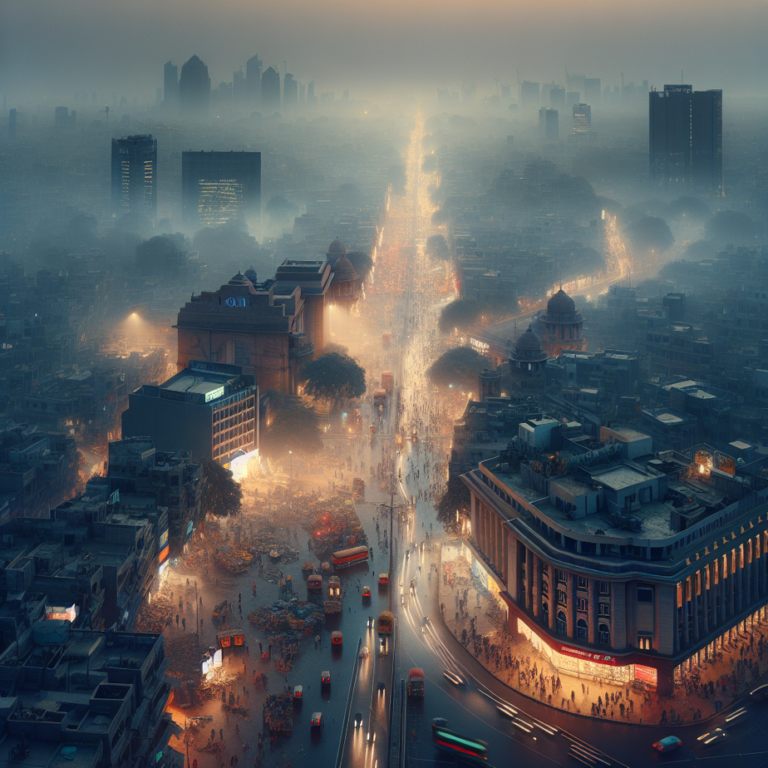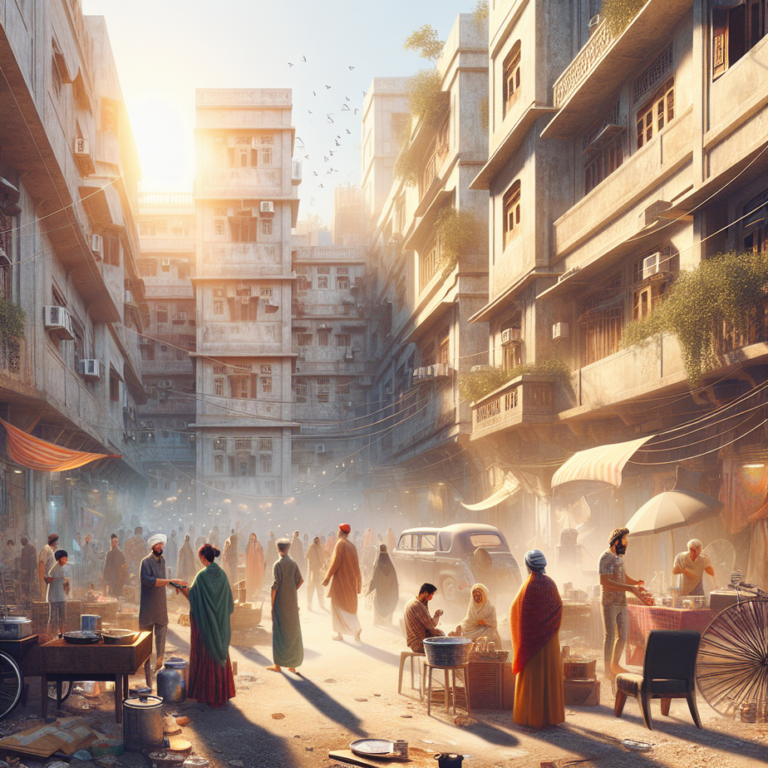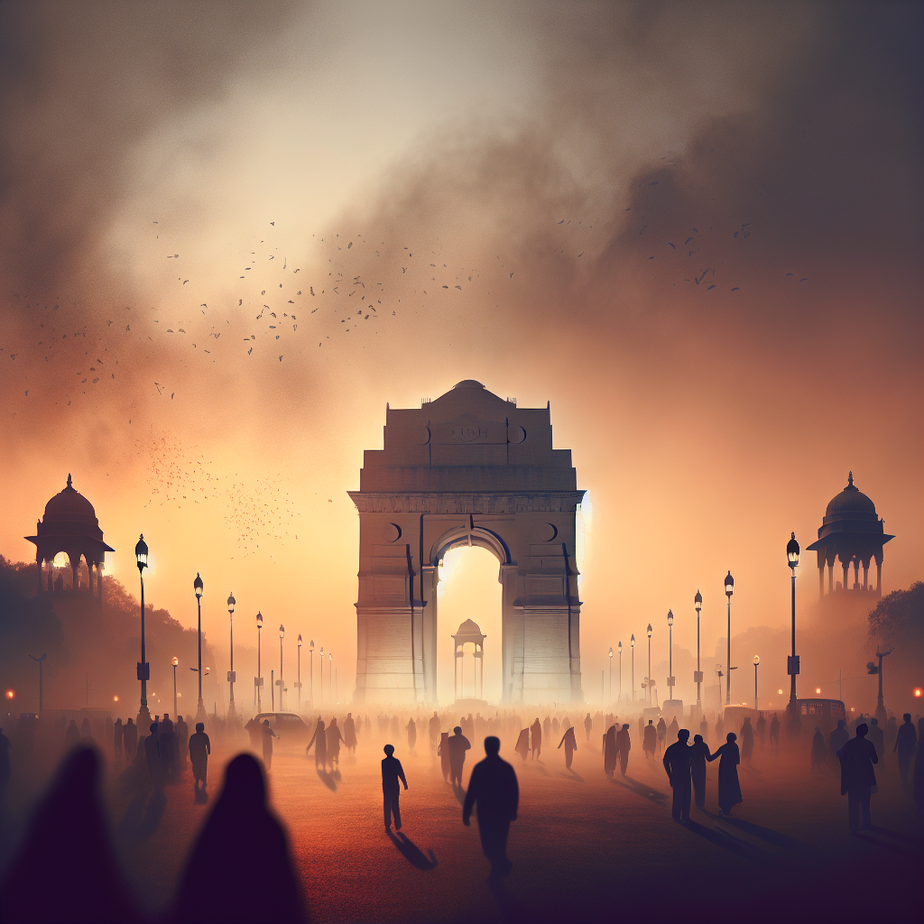
New Delhi — You’ve felt it. That burning in your eyes near Lajpat Nagar. The scratchy throat after a morning jog at Lodhi Garden. The instant regret of entering traffic near Anand Vihar bus terminal. Delhi’s air isn’t just polluted—it’s virtually weaponised. While we keep discussing smog towers and odd-even reruns, China quietly cleaned up the air in more than a dozen cities. The real kicker? They did it within a decade. Maybe it’s time we asked: what are they breathing that we’re not?
China Did It—Here’s How
Between 2013 and 2020, China pulled off what many thought impossible: it cut down air pollution levels in key cities by over 50%. They didn’t stop at banning garbage burning or encouraging electric vehicles. They went hardcore—slashing steel and cement production, launching real-time emissions tracking, and penalising local officials who didn’t deliver clean air. This was less “Swachh Bharat” selfie and more “Shut It Down Until It’s Fixed” energy.
Now, Al Jazeera’s deep dive into China’s anti-smog war isn’t just an academic exercise—it’s a not-so-subtle mirror held up to India’s face. Their centralised approach, ruthless enforcement, and heavy spending led to clearer skies over Beijing. Here in Delhi, we’re still rotating between blaming Punjab’s stubble burners and praying for a good monsoon. The real drama? China’s Even-Odd was just a small footnote—it was the factories and coal that took the actual hit.
Why That Matters to Your Gurgaon Commute
If you’re an outstation student living in Kamla Nagar or a UI/UX wizard hopping Ubers from Nehru Place to DLF Cyber City, here’s why you should care: real air reform saves time, health, and money. No more 11 PM Amazon deliveries getting cancelled “due to air quality restrictions.” No more waiting for AQI apps to tell you if it’s okay to step outside for golgappas at Kake Di Hatti.
And let’s get real, don’t we all pretend not to see the air when power walking from Hauz Khas metro to the Deer Park joggers track? A Beijing-like model may sound draconian—closings, crackdowns, and possibly fewer chhole bhature stalls on Ring Road—but it also means waking up not gagging on PM2.5. Worth it?
The Last Decade of “Too Little, Too Late”
To be fair, Delhi hasn’t been snoozing entirely. We got the Graded Response Action Plan (GRAP), trials of cleaner buses, and the aforementioned odd-even tag antics. But for every anti-smog gun near Rajghat, there’s a mountain of construction dust in Okhla undoing it. Previous measures flirted with real progress, but lacked the consistency and backbone of Beijing’s strategy.
Let’s also not forget how in winter 2016, schools were shut down because stepping out became riskier than an 11 PM auto ride from Saket. And yet, every year it’s the same air-pocalypse. No long-term accountability, just a fresh round of emergency bans and panel discussions.
📍 Spot Check: Rajpath, Sarai Kale Khan, AIIMS flyover, and Janakpuri West metro station are routinely in the data red zone for AQI. Weekly commuters along NH-24 and MG Road, especially near Ghazipur landfill and Chhattarpur, experience nearly chronic pollution exposure.
The Final Word
Is it time for Delhi to borrow from Beijing’s air playbook? Yep. Can it do so without steamrolling livelihoods and turning into a police state? That’s the tightrope. But maybe, just maybe, it’s time to stop treating clean air like a post-Diwali detox plan. If China can force steel plants to behave, surely we can make our cement mixers near Pitampura follow a few basic rules, right?
Have something to say? Drop a comment below!
#DelhiAirCrisis
#BeijingBlueprint
#GaspCapital
#ClearSkiesNow
#PollutionPolitics
About the Author