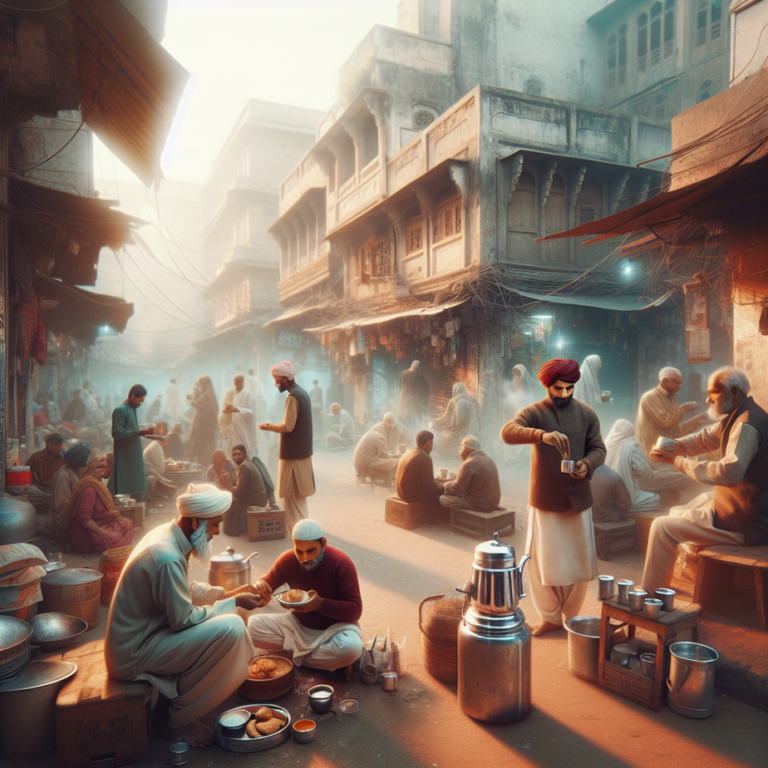
New Delhi — Doesn’t it feel like Delhi is living in two timelines at once? One minute you’re scrolling through Zomato to find the newest ramen bar near SDA, and the next, the city is hosting the WHO’s Global Summit on Traditional Medicine—an event that might just put your dadi’s haldi doodh on the global medical map. Welcome to the side of Delhi that smells like tulsi leaves and camphor oil. No, seriously.
Why The WHO Summit Is Low-Key a Big Deal
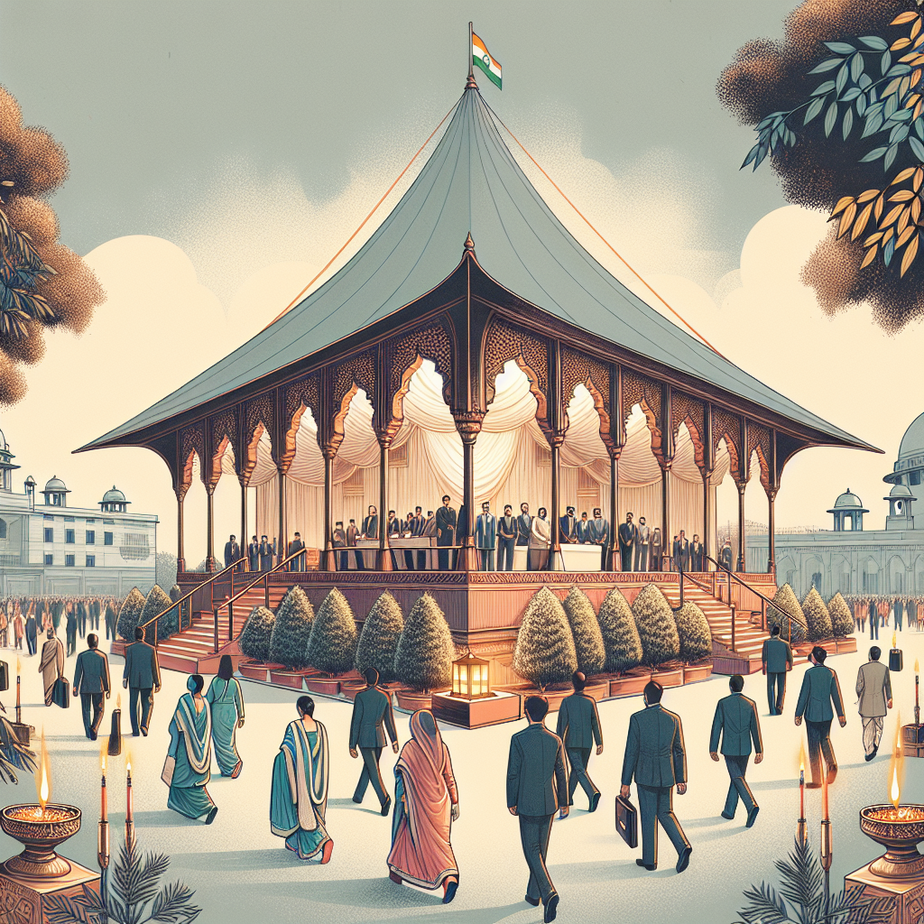
Slated to kick off in New Delhi, the Second WHO Global Summit on Traditional Medicine is not just another bureaucratic meet-up with foreign delegates taking selfies with Rajpath in the background. This summit, happening at the diplomatic powerhouse of Vigyan Bhawan, is where the world’s medical thinkers are putting ancient healing back on the table—literally. We’re talking Ayurveda, Unani, Siddha, Homeopathy, and even tribal medicinal knowledge that tribal communities in the Northeast have been using for centuries.
The summit will see participation from over 100 countries, and India’s Ministry of AYUSH is playing host. Suppose you’ve never paid attention to AYUSH—it’s the government arm looking after traditional and alternative medicine systems. This time, the Summit will deep-dive into how traditional systems can co-exist with modern healthcare, especially in times of pandemics and mental health crises. There will be presentations, research showcases, and discussions on integrating traditional practices with modern hospital systems. Expect big names from WHO, major pharma companies, and universities with actual herbariums. Delhi’s own All India Institute of Ayurveda (near Sarita Vihar) will also play a featured role.
Delhiites, Here’s What This Means for You
If your morning commute takes you anywhere near Mandi House or Central Secretariat, brace for some mild red-light rage. Security has gone into G20 mode again—expect barricades, VIP passes fluttering from dashboards, and even chaiwallahs mysteriously “on break.” More importantly, this summit could put pressure on the healthcare conversations locally. Think: better funding for Ayurvedic dispensaries in Lajpat Nagar or legit Naiwala Unani clinics near Karol Bagh finally seeing certification. It also means more availability (and credibility) for things like Shirodhara oils and Triphala tablets at places like Patanjali Mega Store in Rohini—not just yoga moms bulk-buying kaadha.
For students at JNU or DU’s North Campus, this may sneak into curriculum upgrades. Don’t be surprised if electives next semester start offering “Comparative Healing Systems” or internship opportunities crop up at NABH-accredited AYUSH hospitals. And for those working in Gurgaon’s Cyber Hub—with posture issues courtesy 10-hour desk shifts—expect your office wellness plans to add things like Marma therapy or yoga therapy in the name of “employee engagement.”
From Charaka Samhita to Connaught Place Chemists
This isn’t the first time Delhi has handed global leaders a tulsi mala and made a point about going back to our roots. The first WHO summit on Traditional Medicine happened in Gujarat in 2023, and it set the stage for India to be a thought leader in fusing tradition with tech. Remember when the Modi government did the International Day of Yoga at Rajpath years ago? This is that level of branding, but for medicine. The idea is less about rejecting modern medicine and more about “integrative health”—using Ayurveda with allopathy, not instead of it. Historically, Delhi has been a crossroad for traditional medicine—from Hakims in Old Delhi to Ayurvedic pharmacies running since Independence near Paharganj.
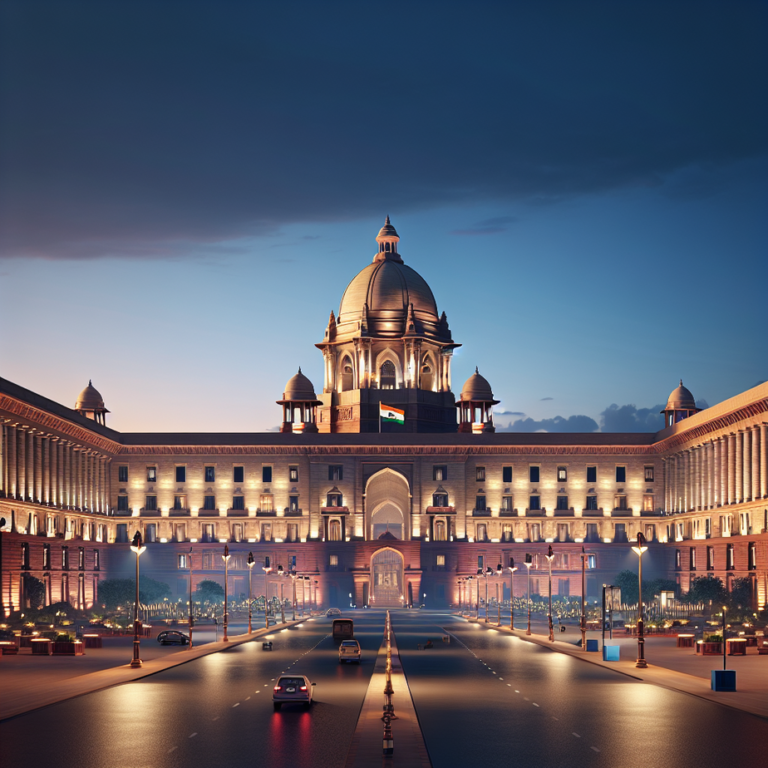
📍 Spot Check: Vigyan Bhawan is right off Rajpath, walkable from Central Secretariat metro station. Expect traffic blocks near India Gate, National Museum, and Janpath Market. Those taking the Delhi Metro should avoid Yellow Line’s Central Secretariate around event timings.
The Final Word
Honestly? This gets a solid Yay. Any event that makes bureaucrats and scientists sit down to talk about medicine that’s actually survived centuries deserves our attention. If this leads to better research, cleaner manufacturing standards, and less quackery in Ayurvedic medicine, then yes please. The only downside? Good luck getting an Uber in Central Delhi this week. But tell me this: Would you swap a prescription pill for Panchakarma if WHO endorsed it?
Have something to say? Drop a comment below!
#DelhiHealthMatters
#WHOTradMedicineSummit
#AYUSHOnTheMap
#TrafficAlertCentralDelhi
#BackToHaldiRoots
About the Author