New Delhi — Ever fantasized about walking to class through tree-lined quads instead of dodging bikers near North Campus? Or cooking pasta in a shared kitchen after a seminar instead of ordering biryani from Zomato at 11 PM? For many Delhi students, life at a foreign university isn’t just about academics—it’s a complete lifestyle shift of quiet libraries, independent living, and yes, finally having time to write that novel.
Foreign Uni Life: What’s the Hype All About?
Whether it’s LSR grads heading to New York or SRCC toppers in the UK, the culture of studying abroad has shifted from novelty to norm among Delhi’s elite and middle-class students. What grabs attention isn’t only the Ivy League names—but the day-to-day living. Think: attending small-size seminars, cooking in communal kitchens with flatmates from six countries, weekend library projects, and yes, long solo walks with wireless earphones and no staring uncles or street dogs.
The Indian Express article on life at foreign universities outlines this vividly—students cooking lasagna while discussing Freud, or heading off to poetry club after stats class. Compared to the packed classes and hostel struggles in North Campus or Rohini colleges, the contrast is massive. Students say these campuses give you “mental room”—not just physical space—to think, plan, and create. Unlike Delhi where your parents might track your every Metro swipe, here you’re just… free. The lifestyle includes part-time jobs, travel planning, and yes, managing laundry on your own. It’s adulting, turned aesthetic.
“Yahaan Tutoring, Wahaan Thinking” — Real Talk for Dilliwalas
For many stuck in the Dilli grind of tuitions and traffic jams, this difference hits hard. A 3rd-year student from DU’s Miranda House currently applying to Canadian universities said, “Khaali waqt hi nahi hai yahan. How will I write or reflect like them?” She’s referring to the sort of ‘mental whitespace’ many foreign unis offer, where academic pressure doesn’t come with noisy mess halls or 2-hour daily commutes.
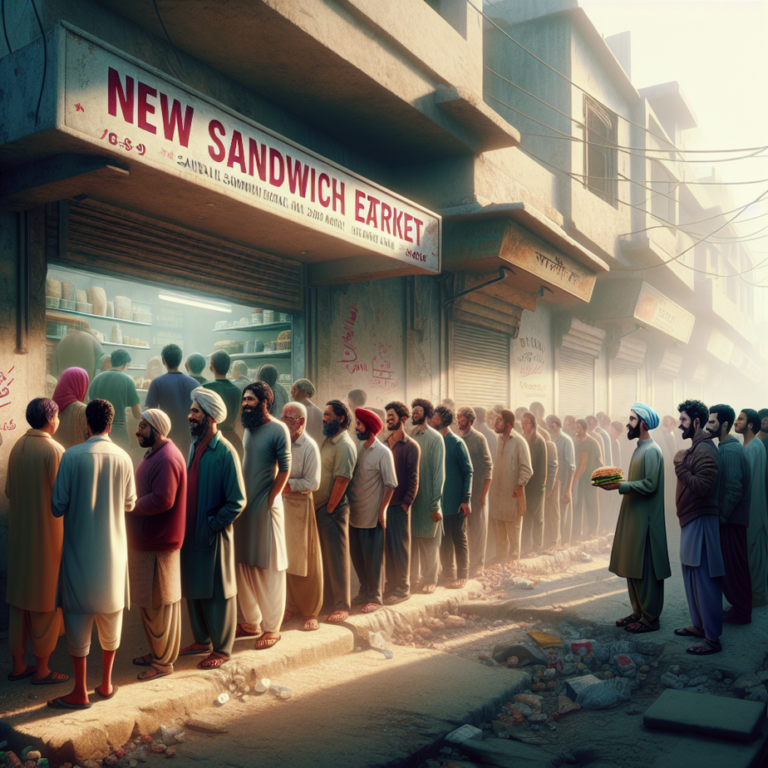
Meanwhile, in places like Mukherjee Nagar or near GTB Nagar metro station, students queue up by 7:30 AM for test prep institutes, clutching their Subway coffees and Hindi grammar notes. Compare that to someone who just came out of an ethics seminar in Manchester and is heading to a Korean cooking night—same age, entirely different Monday. Locals near Kamla Nagar say they see more “jaded UPSC faces” now than ever. That grind culture remains strong in the capital, but it’s increasingly being questioned.
Backstory: Why This Contrast Feels Bigger Now
Back in the early 2000s, studying abroad was a flex reserved for the Vasant Vihar gang. Now, thanks to scholarships, remote consultancy gigs, and YouTube specials titled “How I Studied Abroad with Zero Budget,” it’s a realistic dream for many middle-class homes in areas like Mayur Vihar or Tri Nagar. COVID played a weird role too. When Delhi locked down and students were attending online classes with unstable Wi-Fi, European campuses reopened with small pods and masked discussions under autumn trees. The visuals did wonders on our Insta feeds—and mentally too.
It also exposed many students to the blandness of online Indian education. While DU kids were fighting over Google Meet links, others abroad were discussing cultural semiotics with professors in real time. Compared to that, Delhi’s age-old education infrastructure feels stuck in limbo: too chaotic to be holistic, too regulated to be spontaneous. Students don’t just want a degree anymore—they want dignity and downtime. Imagine telling someone near Rajouri Garden you wrote three poems between chemistry labs—they’ll call you ‘fattu’ or worse, spoilt. But globally, that’s just normal.
What To Do If You’re Craving That Life
- Start small: mimic that environment. Head to Kunzum Café in Greater Kailash or Cha Bar in CP—read, write, get into the mood. No distractions.
- Use shared workspaces like Innov8 in Connaught Place or CoworkIn in Lajpat Nagar to simulate that “study pod” social vibe.
- Explore community courses—British Council Library near Kasturba Gandhi Marg does weekend clubs (book readings, film discussions). Feels global, isn’t expensive.
📍 Spot Check: Students near GTB Nagar Metro, Rajiv Chowk, and Kamla Nagar often discuss swapping local chaos for overseas calm. Anand Vihar ISBT also sees heavy traffic during student visa season.
The Final Word
Delhi will always have its charm—Dilli Haat momos, Lajpat’s chaotic bargaining, and that chai tapri near your college. But it’s okay to say some of us crave more: more time, more thought, quieter neighbors, cleaner sidewalks. The good news? You don’t have to wait for a foreign admission letter to start living better. Look around—your next soft-skill seminar or solo café vibe could be right here in Dilli. So we ask: what’s stopping you?
People Also Ask
Is this officially confirmed?
Yes, but implementation on ground may vary.
Who benefits the most?
Daily commuters, students and small shop owners.
Any hidden catch?
Check timings & local enforcement.
Have something to say? Drop a comment below!
#Delhi #NorthDilli #StudentLife #AbroadStudies #MindfulLiving
About the Author