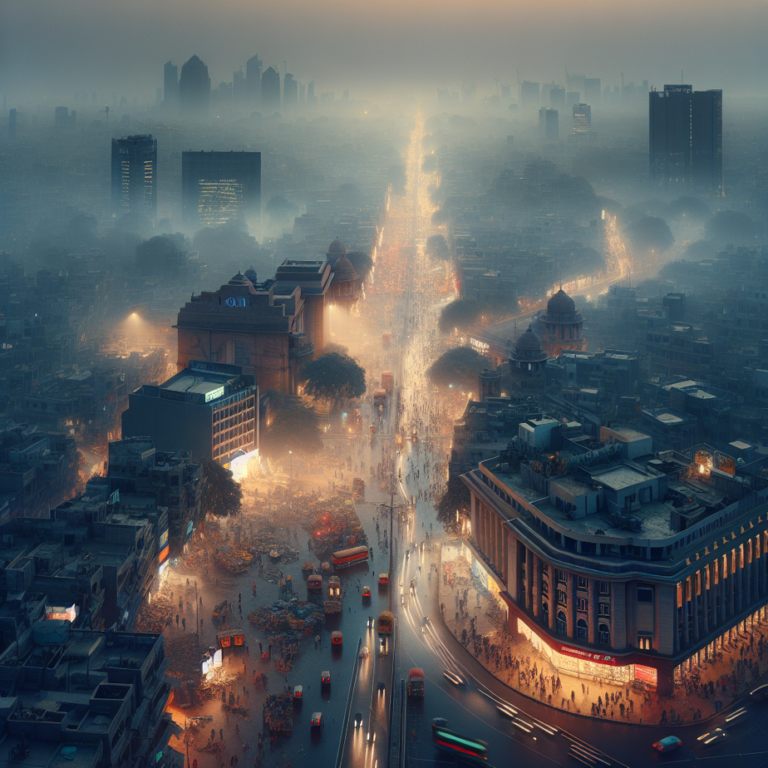
New Delhi — So, what happens when one of the world’s most iconic performance artists says Western culture is creatively “exhausted”? Delhi listens. Marina Abramović, the high priestess of avant-garde art, just landed in India — and her statement that “we need fresh points of view” is already reverberating through the city. In a city balancing traffic chaos with tea breaks and house-packed exhibitions, the question is hanging in the smog: is Delhi ready to be the world’s art compass?
Why Abramović Thinks Delhi Holds the Key
In a recent interview during her India visit, Abramović didn’t mince words: Western artistic ideas, she said, have hit a saturation point. According to her, places like India — and cities like Delhi — are where the next wave of global inspiration could come from. It’s not just about culture shock; it’s about cultural depth. With centuries of spiritual practices, local traditions still alive in everyday life, and youth pushing the boundaries of digital expression, Delhi offers something the “Global North” can’t manufacture — raw, unfiltered sensibilities. Whether it’s the theatrical energy of Ramleela at Red Fort or the abstract installations at the Kiran Nadar Museum of Art in Saket, there’s something brewing here. And Abramović, never one to follow the herd, is sniffing it out. Critics might roll their eyes and say this is art-world woo-woo, but when someone who’s cut herself with razors for art says she’s impressed? Take note.
What It Means for Dilliwalas
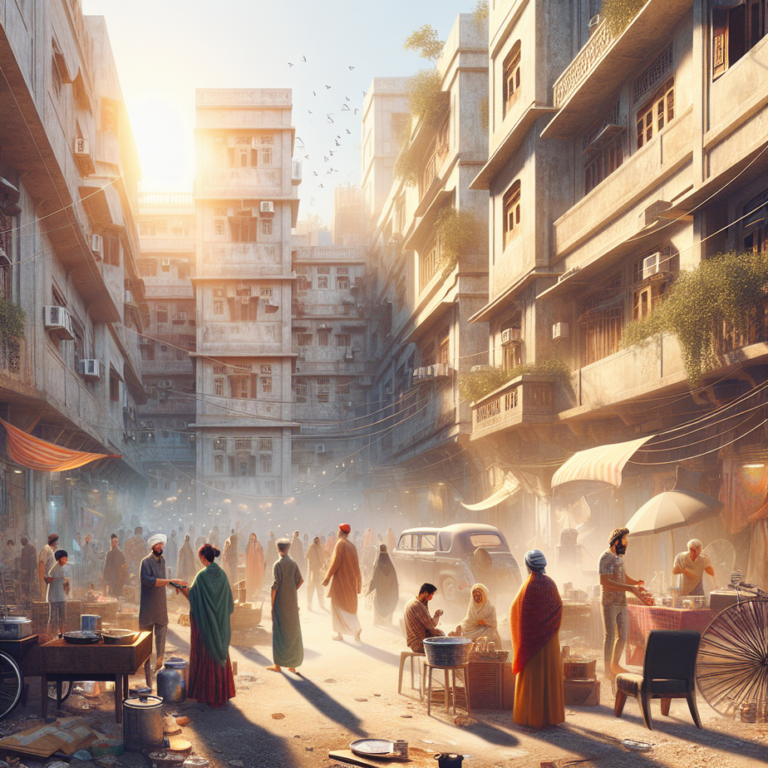
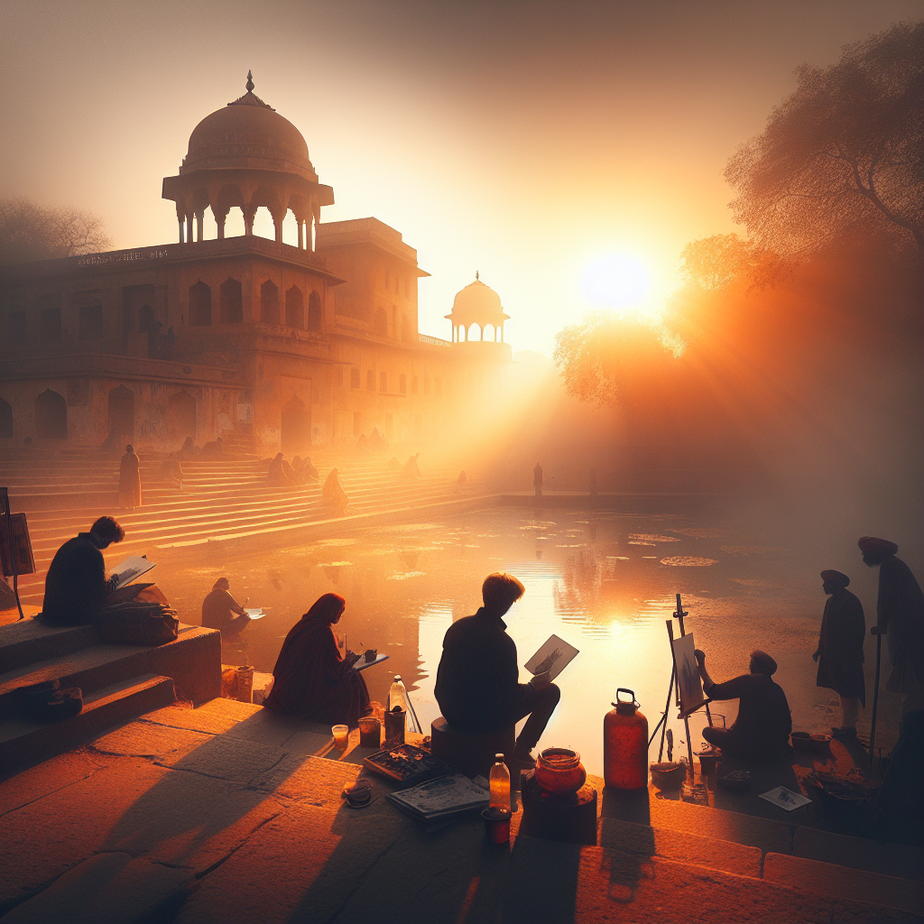
For Delhi students at art institutions like Jamia Millia Islamia or College of Art near Tilak Marg, this is validation. “We always felt we were looked at as imitators of the West,” said Saanvi, a final-year student sketching at India Habitat Centre. “Now people like Marina coming here… it’s huge,” she added. Curators at indie galleries in Lado Sarai say there’s a tangible uptick in international attention — and with that comes opportunity. Meanwhile, Mehrauli local artists selling framed sketches near Qutub Minar say they’re seeing more foreigners asking, not just clicking. An increase in footfall might mean more sales, but also the need for better exposure. But it’s not all boho-glam. Auto drivers near Mandi House report longer queues post-events and more late-night returns. A shopkeeper near INA Metro said, “Exhibitions in winter toh kaafi log aate hain, hafta ke din toh crowd zyada hi hota hai ab.” For middle-class families, it’s also a question of accessibility: will high art finally move beyond elite circles?
Delhi’s Not-So-Silent Evolution
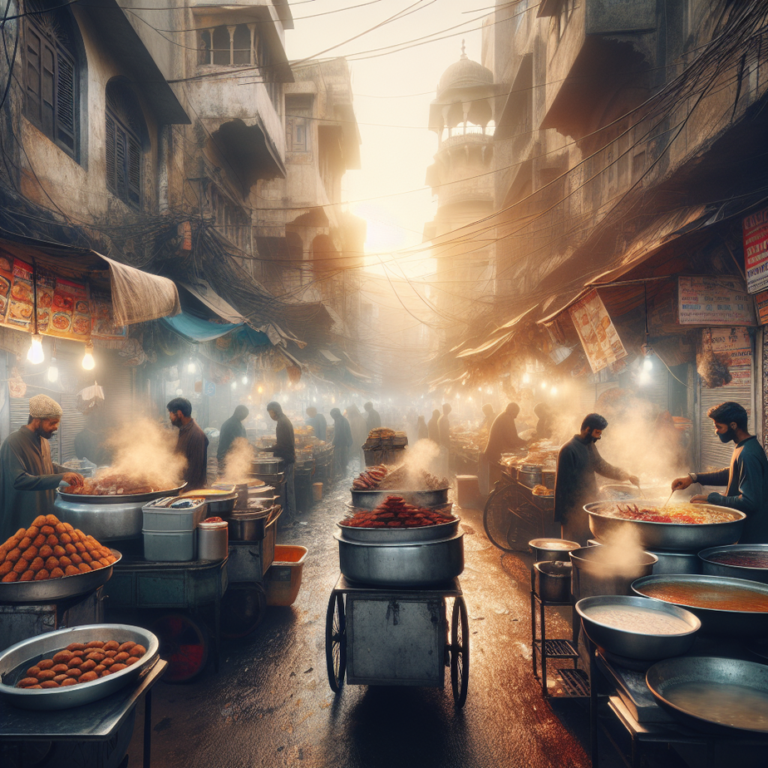
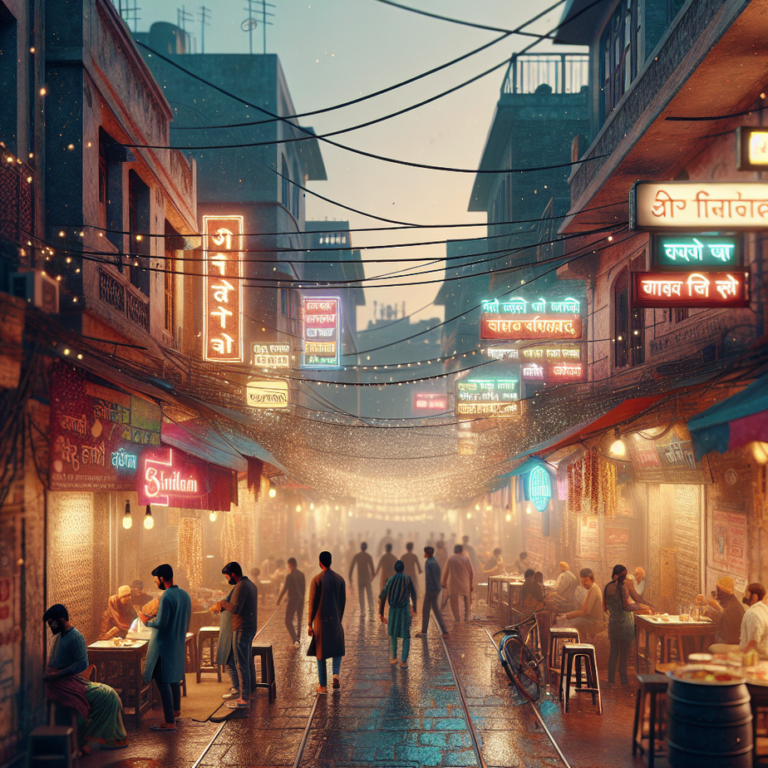
Art has always existed in Delhi — from Mughal miniatures to colonial hangover modernism. But in recent years, there’s been a shift. Spaces like Bikaner House are being repurposed, Dhan Mill in Chattarpur is buzzing with pop-up galleries, and even Connaught Place’s colonnades are no strangers to impromptu musical busking. Compare this to the late 2000s, when Delhi’s mainstream culture was mostly about Bollywood soundtracks in Sarojini Nagar or weekend screenings at Priya Cinema. What began as isolated efforts — a graffiti wall near Shahpur Jat or dance collectives rehearsing under Nehru Place flyovers — now pulse with collective energy. Other cities like Mumbai might dominate film, but when it comes to grassroots artistic expression, Delhi is clearly setting the pace. And let’s not forget how art merges with protest here — Shaheen Bagh performances, student posters at Jantar Mantar — it’s all part of the same continuum Abramović is recognising.
What You Can Do If You’re in Delhi Right Now
- Visit the on-going exhibitions at the Kiran Nadar Museum of Art (Saket or Noida). Check timings online — most are free entry.
- Take a weekend stroll through Lado Sarai’s art galleries. Most open late morning and run till early evening. Fridays are the best for artist meets.
- Follow Delhi’s underground art collectives on Instagram — keywords like #DelhiArtScene or #ArtInDilli often lead to pop-up events, live performances, and installation previews in places like Greater Kailash and Shahpur Jat.
📍 Spot Check: If you’re heading to cultural hotspots, Mandi House Metro is central for galleries, while Green Park gives access to Safdarjung Enclave artists’ hubs. For something offbeat, check out the AI-curated show happening inside a revamped warehouse near Sector 53-54 Rapid Metro, Gurgaon.
The Final Word
Delhi isn’t just keeping up with culture — it’s reshaping it. Abramović’s visit is less of a celebrity cameo and more of an acknowledgment: the global art stage needs new stories, new rhythms, and Delhi’s chaotic, tender, stubborn energy might just be the reset button. Whether you’re doodling in a café near Kamla Nagar or sketching soul-searching goddesses in Okhla, there’s space for your story in Delhi’s new era. Are we as a city ready to take this seriously — beyond Insta highlights?
People Also Ask
Is this officially confirmed?
Yes, but implementation on ground may vary.
Who benefits the most?
Daily commuters, students and small shop owners.
Any hidden catch?
Check timings & local enforcement.
Have something to say? Drop a comment below!
#Delhi #SouthDelhi #ArtInFocus #CultureShift #GlobalVoices
About the Author