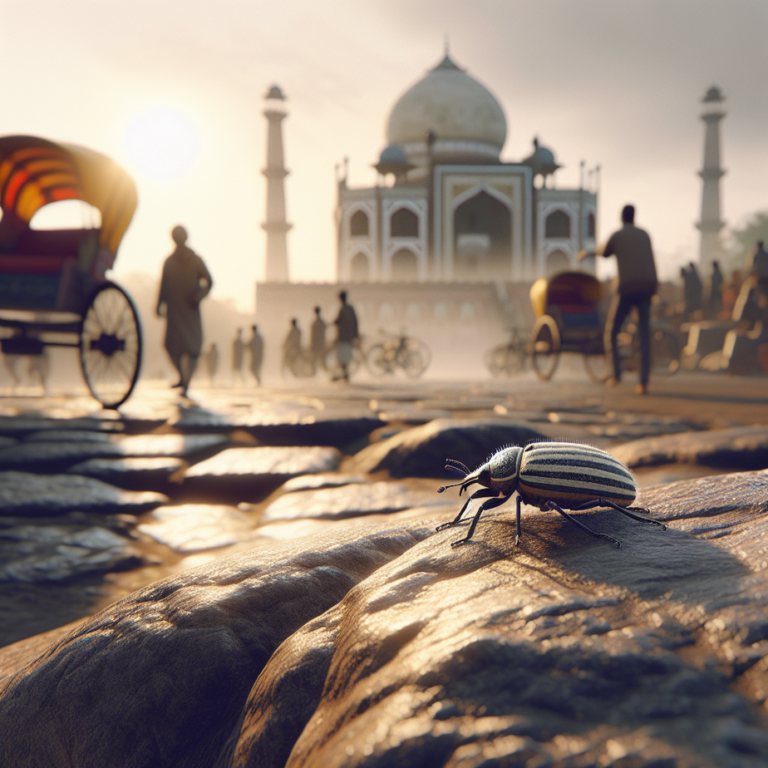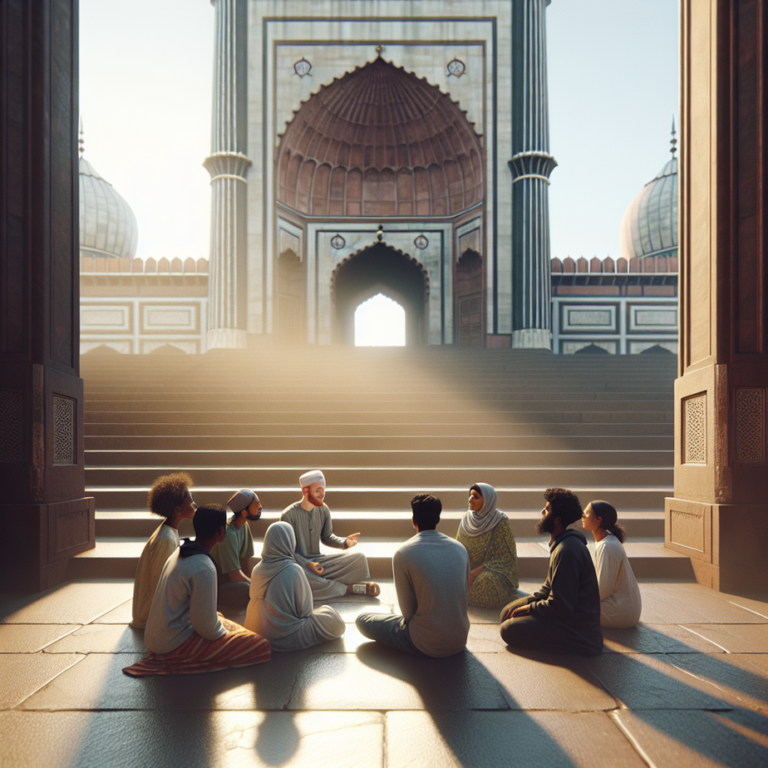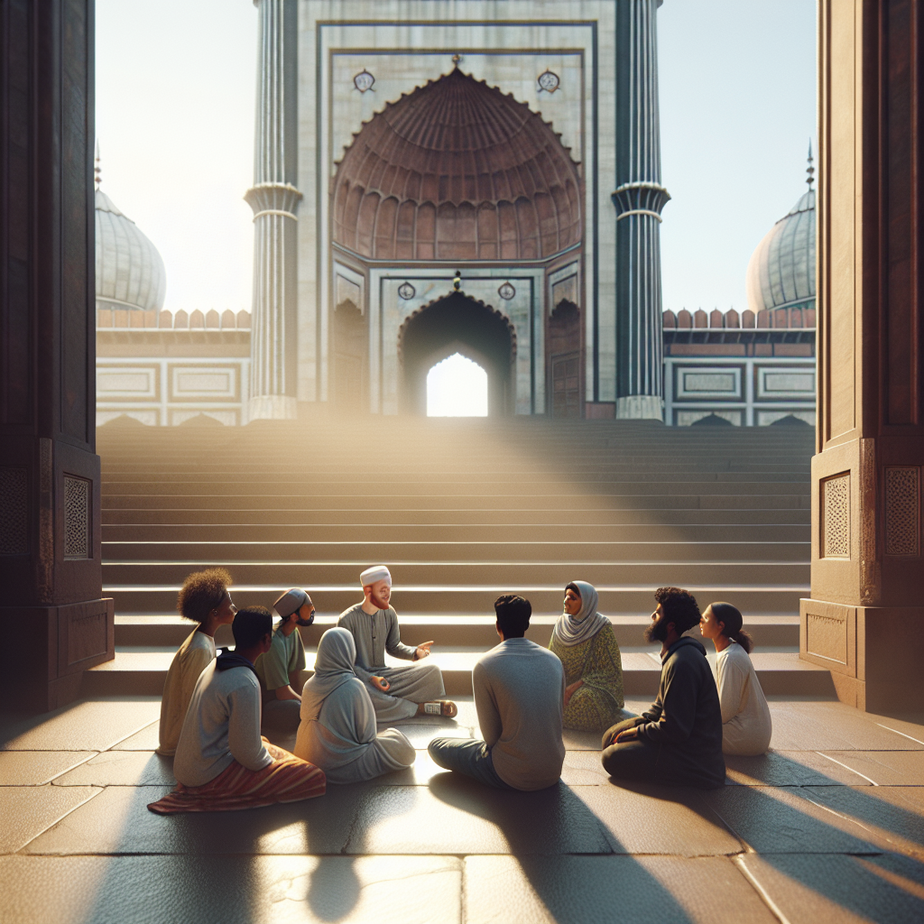
New Delhi — If you think kids today only care about Instagram and influencers, take a quick walk near Mehrauli at 7 AM on a Sunday. Among fog-dusted ruins, you’ll find teens and twenty-somethings peering at Mughal-era tombs, asking questions about Tughlaq kings, and snapping more history-content than selfies. In a city drenched in stories, “heritage walks” are quietly going from nerdy field trip to the new cool—and they’re doing it without sugarcoating the past.
History as a Weekend Hangout? Yup, That’s Happening
Delhi’s many heritage walk collectives—ranging from student-led initiatives to pro-organised platforms—are pulling in younger crowds. Walks through areas like Feroz Shah Kotla, Nizamuddin, and the Lal Qila stretch are booked solid week after week. What’s changed? A chunk of credit goes to passionate local historians and walk leaders who trade dull textbook jargon for spicy anecdotes and real-talk analysis. Instead of “Humayun built this tomb,” you might hear, “This emperor tripped down the stairs after taking opium” or “This gateway survived three looting waves during the 1739 Persian invasion.”
Some walks even blend history with social media. Organizations like Delhi Karavan and Heritage Darshan incorporate poetry readings and storytelling, knowing full well that Gen Z has a short attention span but deep curiosity if engaged right. And it’s not all dead Mughals — walks around Connaught Place explore colonial legacies, while the Mehrauli Archaeological Park trek dives into pre-Sultanate narratives. Suddenly, history isn’t just a subject—it’s street-level drama.
History Gets Lived, Not Just Learned
For young Delhiites, these walks are bridging the generational gap between school-taught dates and real-world context. Kavya, a college student from Kamla Nagar, said on a recent Hauz Khas walk, “After years of cramming chapters, this is the first time I understood how everything connects.” It’s not just students—junior lawyers, IT folks from Gurgaon, even retired schoolteachers show up armed with chai and curiosity.
Shopkeepers near Nizamuddin Dargah say they’ve started opening early on Sundays just for the walk crowd. “Pehle toh yeh area sirf raat mein chalta tha, ab toh subah-se footfall badh gaya hai,” one juice vendor told us. Even the DTC bus guys notice the unusual weekend morning rush toward places like Kashmere Gate or Qutub Minar.
Delhi Metro’s connectivity helps. You’re rarely more than one interchange away from a history lesson. Teen-heavy groups from Noida regularly join the Purana Qila walks, using the Violet Line to jump off at ITO. Outsiders coming in? Uber auto drivers near Red Fort now casually throw facts tourists wouldn’t get at the ticket counter. Clearly, the city itself is reacting to this back-to-school energy—with a lot more street cred.
How Delhi Turned Its Old Bones Into New Cool
Let’s be honest—history textbooks did no favors. For years, history was a subject kids endured, not enjoyed. But Delhi, always sitting atop ash layers of invasions and empires, had the raw material: narrow lanes, crumbling stones, whispered stories. What it lacked was an updated interface. Social media has been key—organisations like Heritage Walks Delhi post Reels combining classical music with 360-degree pans of forgotten baolis, instantly giving chills to screen-glued teens.
Other cities like Jaipur and Lucknow also have rich histories, but nowhere is it this accessible. Thanks to metro lines, app-based volunteers, and even AI-audio guides, Delhi now offers bites of history as easily as it offers momos in Lajpat Nagar. This also reflects a counter-culture: young people are tired of doomscrolling and want community experiences that feel real. A quiet morning in Mehrauli with 20 strangers bonded by curiosity feels legit—and less edited than a brunch pic.
Thinking of Joining In? Here’s What You Should Do
- Bring comfortable walking shoes. The terrain around Tughlaqabad or Mehrauli can get rocky and uneven.
- Join themed walks to match your interests—like Mughal Love Stories, Dilli During Partition, or Colonial Connaught Place.
- Carry cash or a QR app—many entry tickets (like Purana Qila or Safdarjung Tomb) aren’t free or may not accept cards.
📍 Spot Check: Heritage walk hotspots include Hazrat Nizamuddin (near JLN Stadium Metro), Mehrauli Archaeological Park (near Qutub Minar Metro), and Feroz Shah Kotla (walkable from ITO Metro station). The quieter Baoli walks near Dwarka Sector 10 are gaining attention lately.
The Final Word
For a generation often accused of having no attention span, Delhi’s rising heritage walk trend says otherwise. The city might be loud and chaotic, but its bones are slowly whispering their stories—and the young are listening, one step at a time. It’s not just about being woke. It’s India’s past being questioned, examined, and, most of all, felt. So maybe, the next time someone calls history “boring,” you might want to remind them that Shah Jahan’s imprisonment beat any season finale.
People Also Ask
Is this officially confirmed?
Yes, but implementation on ground may vary.
Who benefits the most?
Daily commuters, students and small shop owners.
Any hidden catch?
Check timings & local enforcement.
Have something to say? Drop a comment below!
#Delhi #DelhiNCR #HeritageWalks #HistoryMatters #WeekendPlans
About the Author