New Delhi — Curious about what 5,000 years of Indian history would look like under one roof? Tucked near India Gate, something massive has arrived, and no, we’re not talking about another government building. The newly opened Yuge Yugeen Bharat Museum is fast becoming Delhi’s newest bragging right—a place that might just redefine how we locals see history, culture, and our weekend plans around Rajpath. But what’s buzzing beyond the news headlines?
India’s past goes high-tech near India Gate
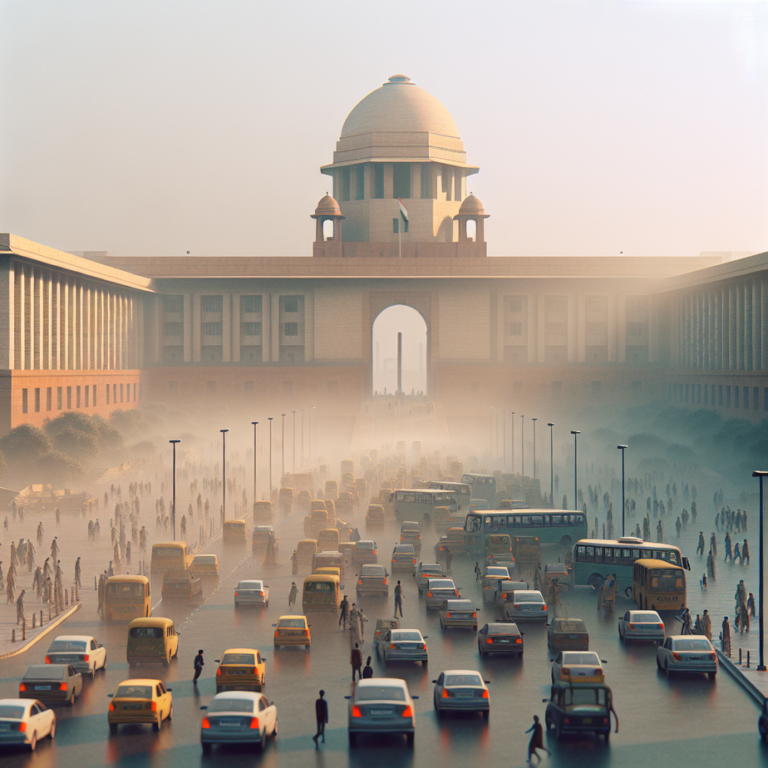
The Yuge Yugeen Bharat Museum isn’t your typical dust-and-statue affair. Launched as an extension of the revamped North and South Blocks, this museum is now the largest in India—and that’s saying something in a nation with centuries of heritage. Sprawling across several buildings and covering a staggering 1.17 lakh square meters, the setup replaces the old British-era offices with something far grander.
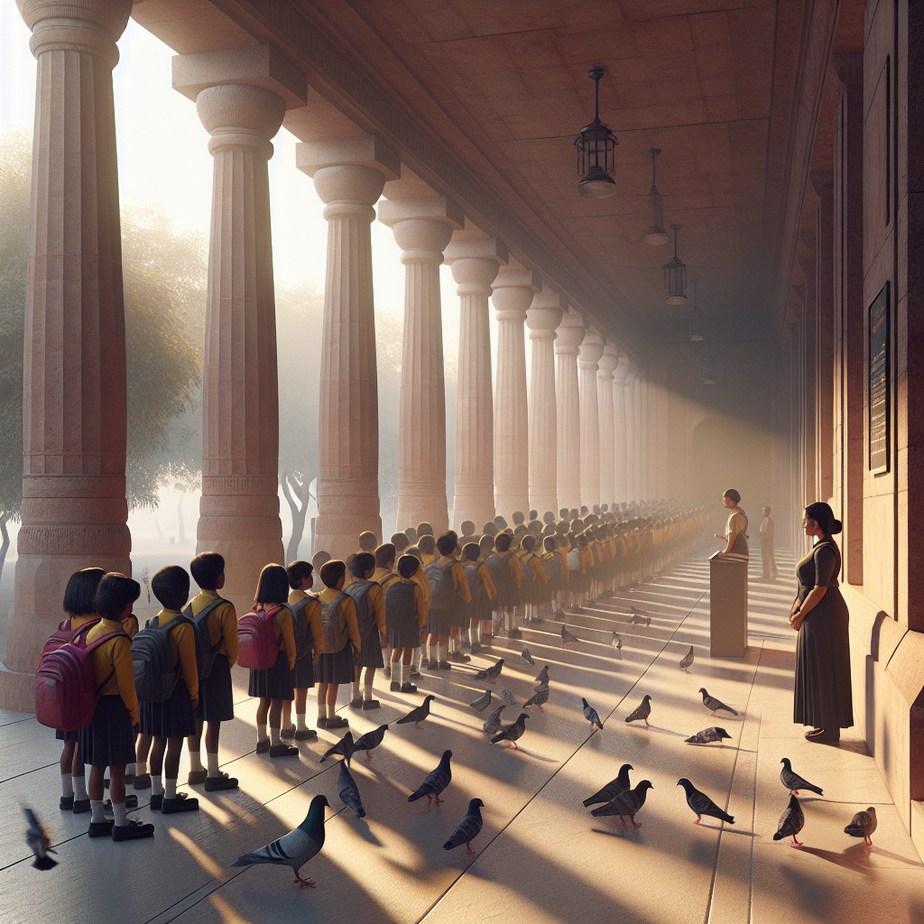
What sets Yuge Yugeen apart isn’t just the scale—it’s the sharp use of audiovisual storytelling. From the Indus Valley seals to Lata Mangeshkar’s melodies echoing through time, each wing of the museum is crafted to make you feel history, not just read it. Digital displays, immersive panoramas, and voiceovers in regional languages attempt to bring inclusivity to the timeline of Bharat. Local school teachers say the museum has turned “history class into a field trip everyone actually wants to attend.”
Built under the Central Vista revamp, this project ticks the boxes of cultural consolidation, more accessible public spaces, and national pride—all wrapped in sandstone corridors and ambient lighting. But tech and traditions aside, it’s creating a real stir among Delhiites, not just culture buffs.
Why Connaught Place café-goers are talking about it
For residents across Lutyens’ Delhi, the museum’s arrival has stirred more than civic pride. Office-goers from nearby Janpath say it offers a peaceful midday break—“beats doomscrolling over overpriced coffee,” said a young analyst outside Shivaji Stadium Metro.
Meanwhile, families from Karol Bagh and Patel Nagar are planning full-day visits, especially during school holidays. DTC buses are rerouting to handle increased tourist traffic, and several vendors near the National Museum report increased sales. “Thandai and chana jor garam were always steady,” a street vendor near the Rajpath lawns told us, “but now college students are buying even during weekdays!”
However, there are growing pains. Locals advise arriving before noon—queues can be long, and despite well-spread rooms, the crowd flow can bottleneck at certain exhibits. A few frustrated visitors report wait times at the ticket counter that feel longer than a Dhaula Kuan red light. Still, it’s worth it, especially if you bring headphones and a fully charged phone—thank us later.
Past lives of the blocks we now tour
Ask any history nerd from Hansraj College and they’ll tell you these buildings once housed the Ministry of Home and Defence before being vacated in the Central Vista reshuffle. Originally designed by Herbert Baker in the 1930s as part of British colonial administrative offices, North and South Block were symbols of power, not pedagogy.
The idea to overhaul these into cultural spaces started gaining traction post-2019 when massive infrastructural projects were greenlit. Today, it echoes global cities transforming administrative monuments into public memory zones—think London’s Tate Modern or New York’s Federal Hall. Except, unlike those, Yuge Yugeen isn’t just preserved—it’s upgraded with India’s signature storytelling flare. Call it a Kapoor-thali of timelines, served with digital spice.
Planning your visit? Here’s how to do it right
- Arrive early—preferably before 11:00 AM—especially on weekends. The crowd swells post-lunch, and photo ops become hard to get without strangers photobombing.
- Use the Central Secretariat Metro gate 4 exit for easiest access. The museum entrance is a straight 5-minute walk. Autos charge double from Rajiv Chowk, so skip the temptation.
- Don’t rush—spread your visit across two days if possible. The place is huge and worth absorbing bit by bit, especially the multimedia zones like the Gupta pavilion and Gandhi gallery.
📍 Spot Check: Located near Central Secretariat Metro Station and walking distance from India Gate and National Gallery of Modern Art. Nearby vendors set up around Pandara Road and Hexagon Chowk.
The Final Word
Delhi’s Yuge Yugeen Bharat Museum brings a once-in-decades shift in how our city presents its place in the larger Indian story. Yes, it’s polished, yes, it’s sprawling—but it’s not just for tourists in cargo shorts. If you’ve ever been caught in Patel Chowk traffic, humming old Bollywood songs, or discussing Chanakya with a teacher from DU, this one’s for you. Is this the museum that finally makes Delhi’s chaotic soul feel seen?
People Also Ask
Is this officially confirmed?
Yes, but implementation on ground may vary.
Who benefits the most?
Daily commuters, students and small shop owners.
Any hidden catch?
Check timings & local enforcement.
Have something to say? Drop a comment below!
#Delhi #DelhiNCR #CulturalUpdate #MuseumVisit #ThingsToDo
About the Author