Delhi HC Orders Jama Masjid Encroachment Survey
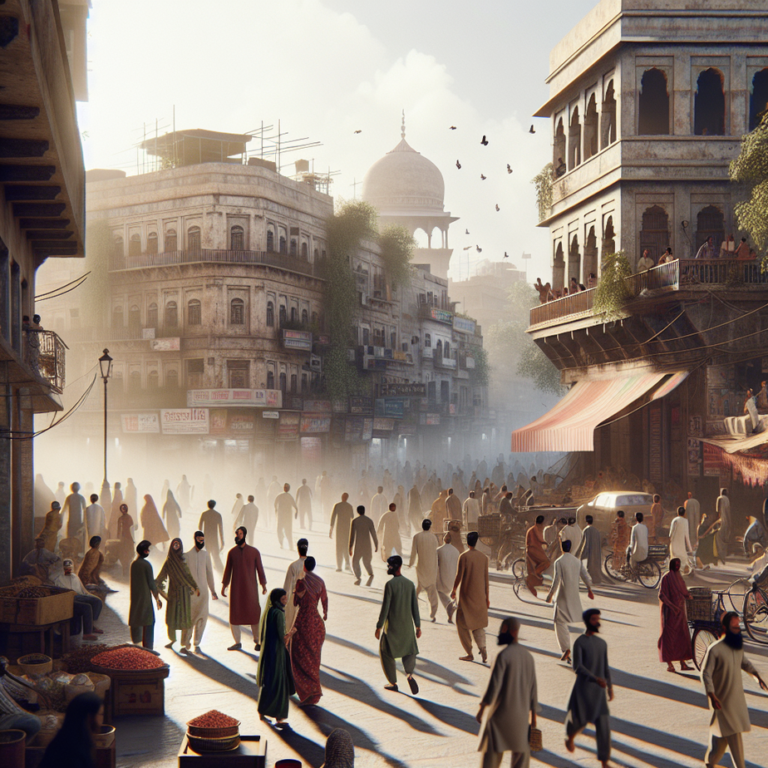
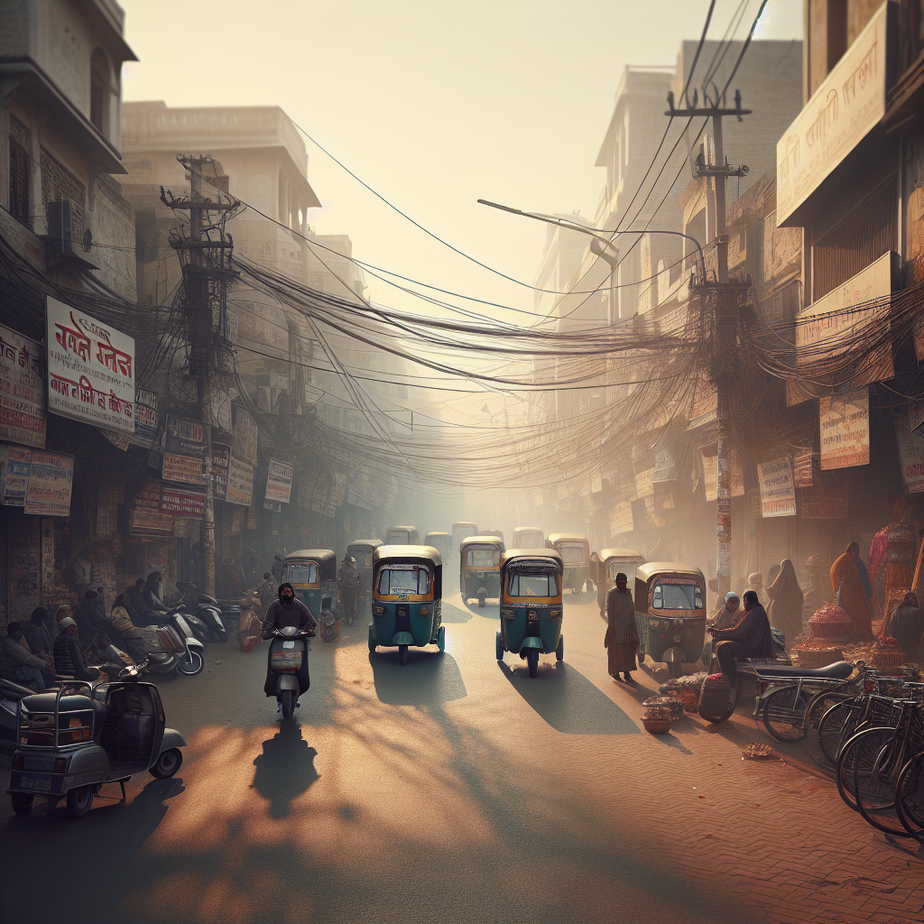
New Delhi — The next time you walk past the towering gates of Jama Masjid, dodging sugarcane stalls and navigating scooters nudging through foot traffic, know this: change may be on the horizon. A recent Delhi High Court directive is shaking up one of the city’s oldest and most crowded heritage zones. But what does an “encroachment survey” around Jama Masjid actually mean for locals, vendors, and everybody who’s ever queued for kebabs at Karim’s or snapped sunset selfies overlooking the Red Fort?
Here’s What the Court Ordered—and Why It Matters
The Delhi High Court has officially ordered a comprehensive survey of illegal encroachments around Jama Masjid, in response to concerns over unregulated shops, structures, and footpath blockages affecting heritage preservation and pedestrian movement. The directive, as reported by LawBeat, involves coordination between the Delhi Police, civic agencies, and the ASI (Archaeological Survey of India). The area in question isn’t just a few overcrowded alleys—this is one of Delhi’s historical and spiritual epicenters, and the court’s move aims to assess whether unauthorized constructions are threatening its structural integrity or simply choking public space.
The goal of the survey is to physically map out all structures that have cropped up without official permission. This includes makeshift stalls, illegal rooftop cafes, and renovations that ignore heritage rules. The court has emphasized a balance: while rights of vendors and residents must be respected, the historical identity of the area cannot be lost to layers of unauthorized additions. Over the next few weeks, surveyors are expected to comb the lanes from Daryaganj to Matia Mahal Road, clipboards and GPS devices in hand, taking stock of what’s legal and what’s got to go.
How It Hits Daily Life in Old Delhi
Everyday life in the lanes hugging Jama Masjid already demands patience—from navigating tangled foot traffic near Gate No. 1 to arguing over half-parking spots with delivery boys on two-wheelers. For the roughly 250 small vendors in the area selling everything from sunglasses to seekh kababs, the survey has stirred anxiety. “Some families have run stalls here since the ’80s,” a shopkeeper near Urdu Bazaar told us, “We don’t want to get wiped out overnight.”
Local residents also express mixed views. On one hand, cleaner lanes and better fire safety norms are much-needed; on the other, long-standing tenants worry about arbitrary action. Students from nearby SPM College say detours around fenced areas are already making their daily commute tougher, especially during the morning rush when the Metro exits by Chawri Bazar are jammed by 9:30 AM. Autorickshaw drivers waiting near Meena Bazaar report fewer passengers, citing fears that “agencies are coming in with bulldozers.” While authorities haven’t planned demolitions—yet—the fear is real. Regulars at Karim’s and Al-Jawahar may start noticing subtle changes soon: fewer hawkers, more barricades, and inspectors where vendors used to stand.
Jama Masjid’s Crowd Control Crunch Has Deep Roots
Encroachment isn’t new to Delhi’s heritage pockets. Similar clean-up efforts happened at the Red Fort complex in 2018 before Republic Day preparations—though those were temporary. What sets Jama Masjid apart is the sheer layer of informal economies that have grown around it since the 1950s. From handcart artisans to biryani vendors, every inch of asphalt seems “claimed someone”—few with written deeds. Even locals recall how, back in the ’90s, the space in front of the mosque was used for community gatherings; today, it’s swallowed by tea stalls and wrapper-clogged drains.
Other Indian cities like Lucknow and Hyderabad have attempted similar drives around their heritage mosques and temples, but often face local pushback, legal tangles, or stall due to lack of coordination. In Delhi, the court ordered the involvement of multiple overlapping agencies to avoid passing the buck but worries remain. Without proper rehabilitation or alternatives, past attempts have led to chaos and resentment. The survey around Jama Masjid hopes to get ahead of that curve—but it’s a tightrope walk.
Planning a Visit Soon? Here’s What You Should Do
- Check for partial closures: Before heading to the Jama Masjid area, especially on weekends, check local WhatsApp updates or ask auto drivers about restricted lanes or barricades.
- Take the Metro to Chawri Bazar and exit early: Walking from Gate 1 vs Gate 3 can give you better access depending on ongoing survey activity (locals recommend skipping Urdu Bazaar lane for now).
- Use landmark-based navigation: Many roadside GPS pins are outdated—anchor yourself with key spots like Karim’s, Matia Mahal, or the State Bank building to avoid getting lost mid-survey route.
📍 Spot Check: Chawri Bazar Metro Station (Yellow Line), Matia Mahal Road, Gate No. 1 & 3 of Jama Masjid, Meena Bazaar; closest legal parking is by Delite Cinema lane near Daryaganj.
The Final Word
Encroachments around Jama Masjid aren’t just about property lines—they’re about livelihood, history, and identity. While preserving a monument matters, so does protecting the people who built their lives around it. The court’s order is a necessary start, but the outcome depends on empathy, transparency, and smart urban planning. Can Delhi manage to keep its heritage clean without cleansing its character? Or will the crackdown end in yet another tug-of-war of licenses and lathis?
People Also Ask
Is this officially confirmed?
Yes, but implementation on ground may vary.
Who benefits the most?
Daily commuters, students and small shop owners.
Any hidden catch?
Check timings & local enforcement.
Have something to say? Drop a comment below!
#Delhi #OldDelhi #UrbanIssues #HeritageWatch #LocalVoices
About the Author