What Delhi Artists Actually Keep from Their Own Shows
New Delhi — Ever walked into an art gallery and wondered what the artist would actually want to keep from the exhibit if they could? Spoiler: it’s rarely what the critics fawn over. In Delhi, where galleries spill out of Lado Sarai and Defence Colony like boutiques in Shahpur Jat, artists are getting candid about what pieces they secretly—or not so secretly—value most. And we’re not just talking price tags here. Let’s dig into what Delhi’s artists say they’d take home from their own shows, and why that matters more than you’d think.
The Art They’d Never Let Go
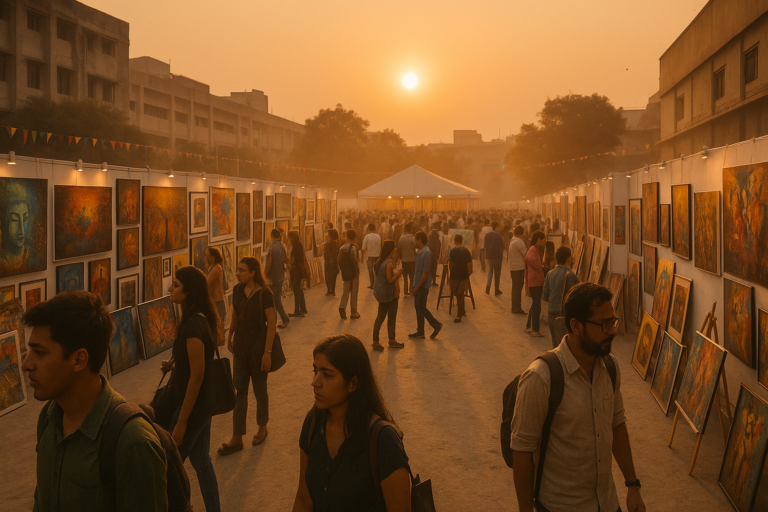
Behind the whitewashed walls of Delhi’s most revered galleries lies an open secret: many artists curate their shows with a couple pieces held emotionally closer than the rest. According to a new feature by Condé Nast Traveller India, artists often find their most intimate works going unnoticed by buyers, while more “palatable” or trendy pieces get sold first. For many Delhi-based artists, especially those showing in spaces like Exhibit 320 in Lado Sarai or Vadehra Art Gallery in Defence Colony, the works they’d keep are often early sketches, personal experiments, or pieces too close to home to part with.
Painter Arun Kumar, who recently showcased in Okhla, was quoted locally saying, “The piece I kept was actually made during a monsoon power cut. I painted it by candlelight. No one else wanted it—too dark, they said—but to me, it’s everything.” Studio assistants report that artists usually set aside “keeper” pieces before the preview opening—sometimes hiding them in back rooms or simply pricing them absurdly high to avoid a sale.
Think of it like Khan Market bookshops: the shiny bestsellers are in front, but it’s the yellowing secondhand paperback behind the register that the owner treasures most. Same logic, just with canvas.
What It Means for Delhiites
If you’re a Delhiite who collects art—or wants to start—it helps to understand what pieces carry the most soul. “When a customer walks in looking to invest, I always chuckle when they skip right past the good stuff,” said a gallery assistant at Nature Morte. For students browsing galleries around Hauz Khas Village or interns trying to decorate their first Vasant Kunj rental, the lesson is this: the artist’s favorite may not be spotlighted under halogen lights. Ask questions. Engage. You might just discover an original before it becomes iconic.
Families doing a weekend gallery crawl should make it part of the conversation with younger members—why do you think the artist made this? Which one would you take home? In areas like Saket’s F-Block and CR Park’s Kali Bari lane pop-ups, the vibe is casual enough to interact with creators directly. And for working professionals eyeing a culture-rich hobby, this is a deeper way to connect beyond art-for-Instagram.
Locals say that some under-the-radar works have even found their way into Delhi homes—via conversations with artists over chai boilers or after-hours studio visits. As one shopkeeper near Green Park Metro put it, “The expensive pieces go into showrooms. The meaningful ones, those go home with friends.”
Delhi’s Quiet Love Affair with Art
Lado Sarai wasn’t always Delhi’s de facto art hub. In the early 2000s, it was still better known for its dairy shops than its drawing rooms. But as galleries relocated from central Delhi’s tourist-heavy Connaught Place to more residential corners of South Delhi, the scene evolved. Artists began hosting more intimate shows, nurturing a generation of Delhiites who preferred buyer-artist conversations over cocktail-hour selfie sessions.
Compare that to places like Mumbai’s Kala Ghoda, where art often merges with high fashion and media glitz. Delhi’s art world, while far from humble, remains more intimate. Nearby, spaces like Khoj Studios and the Korean Cultural Centre have contributed to fostering younger, experimental voices—you’ll often find emerging creators showcasing installations that feel more like personal journals than saleable decor pieces. And those are the works artists usually cherish for themselves.
3 Ways to Discover the “Artist’s Pick”
- Ask the guide or assistant: “Is there a piece in this show the artist won’t sell or seems extra attached to?” You’ll often get a knowing smile and a story.
- Visit during quieter hours: Early weekday afternoons may offer you time alone with the artwork—and time to strike up a real conversation with gallerists.
- Follow local art walks: Places like ArtReach India or Serendipity Arts host guided neighbourhood tours. These sometimes include behind-the-scenes and artist interactions.
📍 Spot Check: Don’t miss Lado Sarai’s Gallery Road (closest metro: Saket via Yellow Line), or the serene corners of Defence Colony Market where Vadehra Art Gallery lives, just a short auto ride from Lajpat Nagar Metro Station. Even Dhan Mill in Chhattarpur is becoming a new fave among collectors and curious visitors alike.
The Final Word
In a city obsessed with collections—shoes, shawls, sheer curtains—perhaps it’s time we thought differently about collecting art. The pieces that don’t sell might just be the ones worth looking at harder. After all, if the artist wants to keep it, there’s probably magic there we haven’t noticed yet. So next time you stroll into a gallery between your third cup of coffee and a stop at Fabindia, ask the curator what the artist loved most. You might walk away with a story… and maybe a painting too.
People Also Ask
Is this officially confirmed?
Yes, but implementation on ground may vary.
Who benefits the most?
Daily commuters, students and small shop owners.
Any hidden catch?
Check timings & local enforcement.
Have something to say? Drop a comment below!
#SouthDelhi #DelhiNCR #ArtScene #GalleryHunt #TrendingNow
About the Author