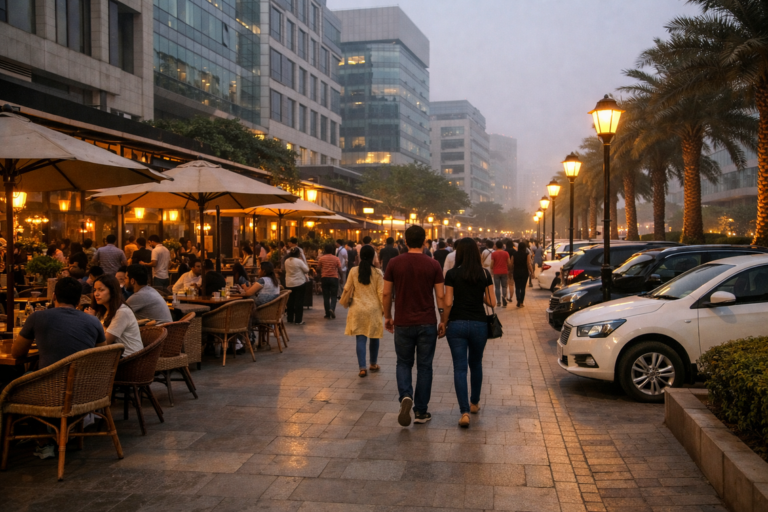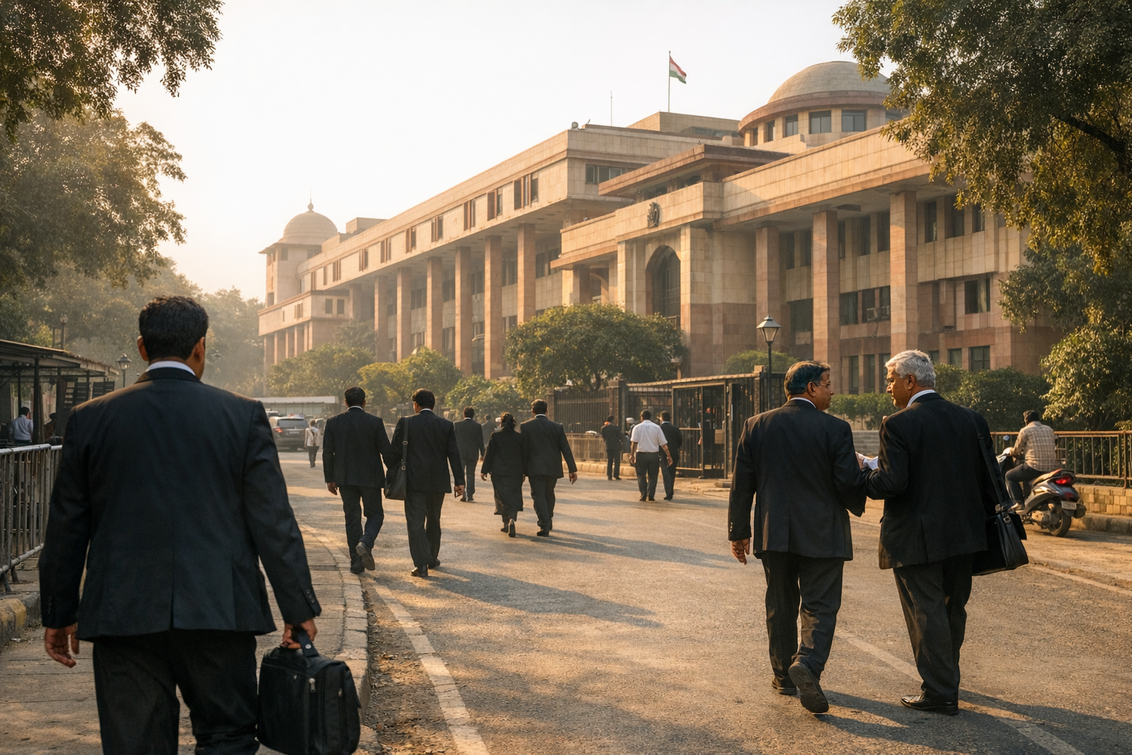
New Delhi — Imagine scrolling through Instagram while waiting for your coffee at Connaught Place and suddenly spotting Kriti Sanon promoting a suspicious product. Her face looks familiar, her voice sounds convincing, but something feels off. Welcome to the uncomfortable side of artificial intelligence, where even celebrities can lose control over their digital identities. The Delhi High Court’s recent intervention against alleged deepfakes and impersonation involving the Bollywood actress has raised a bigger question for Delhiites: if celebrities need court protection, what happens to ordinary people?
Delhi High Court Draws a Line on Celebrity Deepfakes
The Delhi High Court has ordered action against deepfake and impersonation content involving Bollywood actress Kriti Sanon, according to a report by The Times of India. The development highlights an increasingly important legal issue: protecting an individual’s personality rights when artificial intelligence makes it easier to copy faces, voices, and identities.
But what exactly are personality rights?
In simple terms, personality rights concern a person’s ability to protect identifiable aspects of their identity, including their name, image, likeness, and voice, against certain unauthorised uses. These rights become particularly important when someone’s identity carries commercial value.
Think about a fake advertisement showing Kriti Sanon apparently endorsing a skincare product she has never promoted. AI-generated visuals could make the advertisement look convincing enough for unsuspecting customers to believe it is genuine.
That is where legal intervention becomes relevant.
The reported court action targets unauthorised impersonation and deepfake material. However, the precise scope of any restrictions depends on the court’s actual order. Not every mention, photograph, parody, or discussion involving a celebrity automatically violates personality rights.
This distinction matters because legitimate journalism, commentary, criticism, and creative expression also deserve protection.
For Delhi residents, the larger message is straightforward: a familiar face appearing in an advertisement is no longer sufficient proof that the person actually endorsed the product.
AI-generated content has made identity verification a practical necessity, not just a technology discussion.
From Connaught Place to Noida: Why Delhiites Should Care
At first glance, a Bollywood celebrity’s legal battle might seem disconnected from everyday life in Delhi. But consider how people across the capital discover products, entertainment, and investment opportunities.
A college student travelling from Vishwavidyalaya Metro Station might encounter celebrity-backed advertisements while scrolling through Instagram. A working professional in Cyber City, Gurgaon, could receive a WhatsApp video promoting a suspicious investment opportunity.
Meanwhile, a family shopping around Lajpat Nagar Central Market might scan a QR code or follow a social media advertisement promising discounts on popular beauty products.
In each situation, a familiar celebrity face can create instant trust.
That trust is exactly what impersonation scams attempt to exploit.
Delhi’s shopping culture makes the issue particularly relevant. From Karol Bagh’s electronics stores to the fashion lanes of Sarojini Nagar, customers routinely compare prices, check Instagram pages, and browse online reviews before buying.
Anyone familiar with Sarojini Nagar’s evening rush knows the soundtrack: vendors calling out prices, shoppers negotiating discounts, and constant traffic noise near the market entrance.
In that environment, a convincing celebrity advertisement can easily become another purchasing influence.
A typical concern among local shoppers can be summed up this way: “If the video looks real and the celebrity sounds real, how is an ordinary customer supposed to know it’s fake?”
That question deserves attention from consumers, businesses, and digital platforms alike.
For small Delhi retailers, fake celebrity endorsements create another problem. Fraudulent advertisements can undermine customer confidence in genuine online promotions, making it harder for legitimate businesses to establish trust.
Delhi’s Personality Rights Debate Didn’t Begin With Kriti Sanon
The Kriti Sanon development is part of a broader conversation already taking place in Indian courts.
Over recent years, prominent entertainment personalities have approached courts seeking protection against unauthorised commercial use of their identities.
Actor Anil Kapoor, for example, obtained protection from the Delhi High Court in 2023 against certain unauthorised uses of his name, image, voice, and other identifying features.
Veteran actor Amitabh Bachchan has also pursued legal protection against misuse of his personality attributes.
These cases show how digital identity disputes have evolved beyond traditional celebrity merchandising.
Earlier, unauthorised exploitation might have involved posters, merchandise, or misleading advertisements. Today, artificial intelligence can generate convincing videos, imitate voices, and create fictional endorsements within minutes.
The technology itself is not automatically unlawful. AI tools have legitimate applications in filmmaking, accessibility, education, and creative production.
The legal concern becomes sharper when someone’s identity is used deceptively or commercially without appropriate permission.
For Delhi, this development is especially relevant because the city is both a major judicial centre and part of India’s expanding digital economy.
With technology companies operating across Noida, Gurugram, and Delhi, questions about AI accountability are no longer limited to film studios in Mumbai.
They increasingly affect the apps, advertisements, and digital services that NCR residents use every day.
Spotted a Suspicious Celebrity Video? Here’s Your Delhi Survival Guide
Whether you are a DU student, a Noida office-goer, or someone managing a family WhatsApp group in Rohini, a few practical habits can help protect you from misleading AI-generated content.
- Verify celebrity endorsements before buying: If a video claims Kriti Sanon or another celebrity is promoting a product, check the celebrity’s verified social media accounts and the brand’s official website. A convincing face or voice is not proof of endorsement. Be particularly cautious when advertisements promise unusually large discounts or guaranteed financial returns.
- Check the seller, not just the advertisement: Before ordering products promoted through Instagram or WhatsApp, look for genuine business contact details, clear return policies, independent customer reviews, and secure payment options. Delhi shoppers browsing online deals after visiting markets such as Janpath or Lajpat Nagar should avoid transferring money directly to unfamiliar personal accounts.
- Report suspicious content through official channels: Use Instagram, Facebook, YouTube, or the relevant platform’s reporting tools to flag impersonation, misleading advertisements, or suspected scams. Save screenshots, profile links, advertisement URLs, and transaction details where appropriate. If you suspect cyber-enabled financial fraud, contact India’s cybercrime helpline at 1930 promptly or file a complaint through cybercrime.gov.in. The faster a financial fraud is reported, the better the opportunity for authorities and financial institutions to attempt intervention, although recovery is not guaranteed.
- Don’t trust forwarded videos automatically: Family WhatsApp groups often circulate celebrity endorsements, investment tips, and health-related promotional clips. Before forwarding them, search for the original source. Watch for suspicious lip movements, unnatural audio, inconsistent lighting, or strange facial details. Remember that sophisticated deepfakes may show none of these warning signs.
- Protect your own digital identity: Review the privacy settings on your social media accounts, particularly if you frequently upload public videos or voice recordings. Avoid sharing unnecessary personal details, and consider limiting access to sensitive photographs. If someone creates an impersonation account using your identity, preserve evidence and report it to the platform. Serious cases may warrant a cybercrime complaint or legal advice.
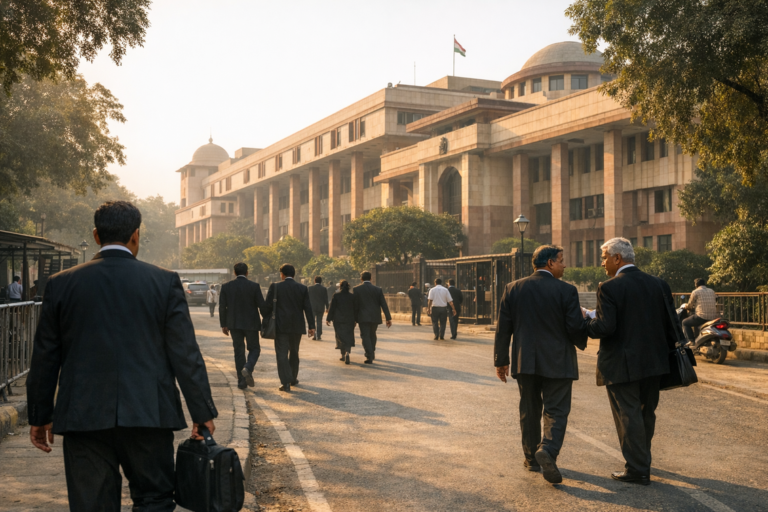
📍 Spot Check: The Delhi High Court is located on Sher Shah Road, near India Gate and the Pragati Maidan area. Supreme Court Metro Station on the Blue Line is a convenient nearby Metro connection. For Delhiites seeking cybercrime assistance, online reporting through cybercrime.gov.in is generally more practical than visiting the High Court. Residents around Connaught Place, Lajpat Nagar, Rohini, Noida Sector 18, and Cyber City should remember that suspicious digital advertisements can reach anyone, regardless of location.
The Final Word
Delhi has always been a city where reputation matters. Whether it’s a decades-old shop in Chandni Chowk or a new café near Hauz Khas Village, people make decisions based on familiar names and trusted recommendations.
People Also Ask
Is this officially confirmed?
Yes, but implementation on ground may vary.
Who benefits the most?
Daily commuters, students and small shop owners.
Any hidden catch?
Check timings & local enforcement.
Artificial intelligence is changing how easily that trust can be manipulated.
The Delhi High Court’s reported intervention in Kriti Sanon’s case is therefore about more than one actress or a handful of suspicious videos. It reflects the growing need to balance personal identity protection, freedom of expression, and responsible technology use.
Courts can provide remedies, and platforms can remove violating content, but consumers still need to recognise suspicious digital promotions.
Before believing the next celebrity advertisement on your feed, spend an extra minute checking its authenticity.
Delhi, would you trust an AI-generated celebrity endorsement if it looked completely real?
Have something to say? Drop a comment below!
#Delhi #DelhiNCR #KritiSanon #DeepfakeNews #TrendingNews
About the Author