New Delhi — If you walked past North Campus this week, the buzz wasn’t from Ganga Dhaba’s chai queue or a last-minute race to Ramjas lectures. It came from the rising chants echoing through Vishwavidyalaya Metro station. Delhi University students are out in force, pushing back against what they call a half-hearted UGC equity framework. It’s political, it’s personal, and it’s gaining serious steam right in the beating academic heart of Delhi.
The Equity Policy Protest on Campus
Students from Delhi University are protesting the delayed implementation of the University Grants Commission (UGC) Equity Policy 2026—a set of reforms meant to level the playing field in higher education. At its core, the policy is aimed at ensuring fair infrastructure, scholarship distribution, and mental health resources for students from underrepresented backgrounds. Sounds fair, right? The problem is, many say it’s stuck in a bureaucratic loop. Despite being greenlit early this year, the rollout across central universities—especially high-profile ones like DU—has remained frustratingly sluggish.
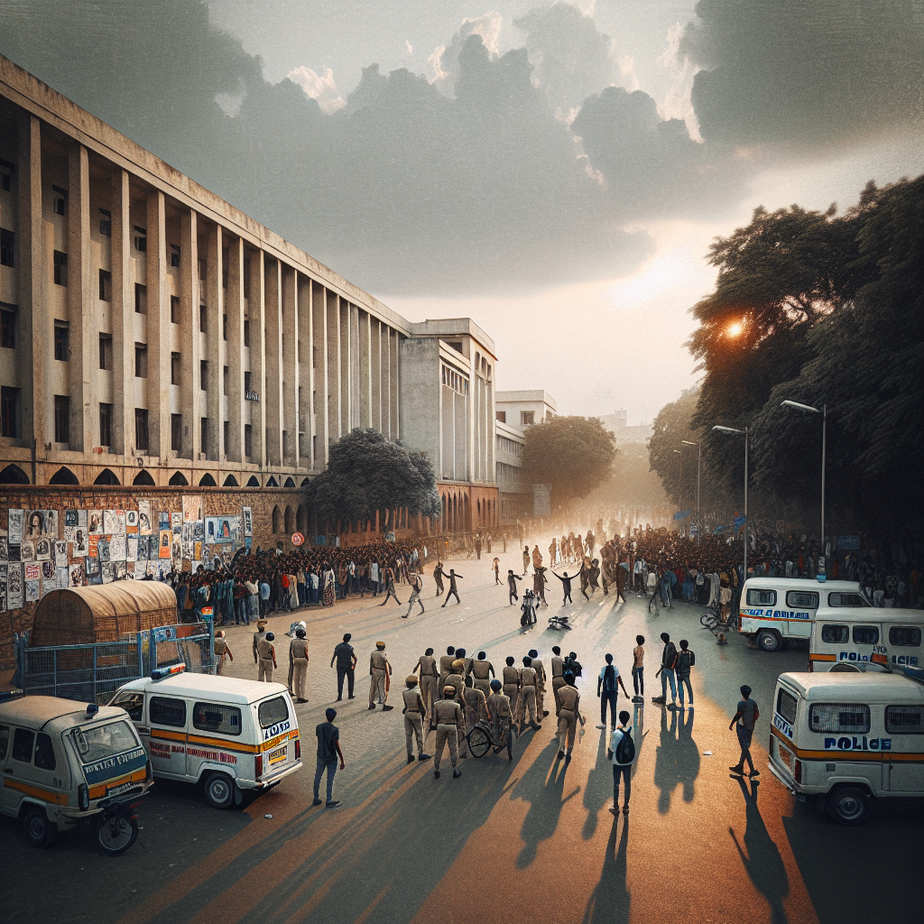
Protestors have gathered daily near Arts Faculty and North Campus lawns, demanding immediate enforcement. These are not casual gatherings; they involve well-organized student unions, circulating petitions, and coordinating across Telegram and Instagram stories. Several classes in colleges like Miranda House and Hindu College were reportedly suspended this week as professors and students participated in solidarity marches. A local shopkeeper near Kamla Nagar’s Bungalow Road said: “Har dusre din koi naya poster lagta hai – aur doonopehar ko police aa jaati hai” (“Every other day, there’s a new poster pasted on the wall—and by afternoon, the police shows up”).
How It Hits Everyday Dilliwallahs
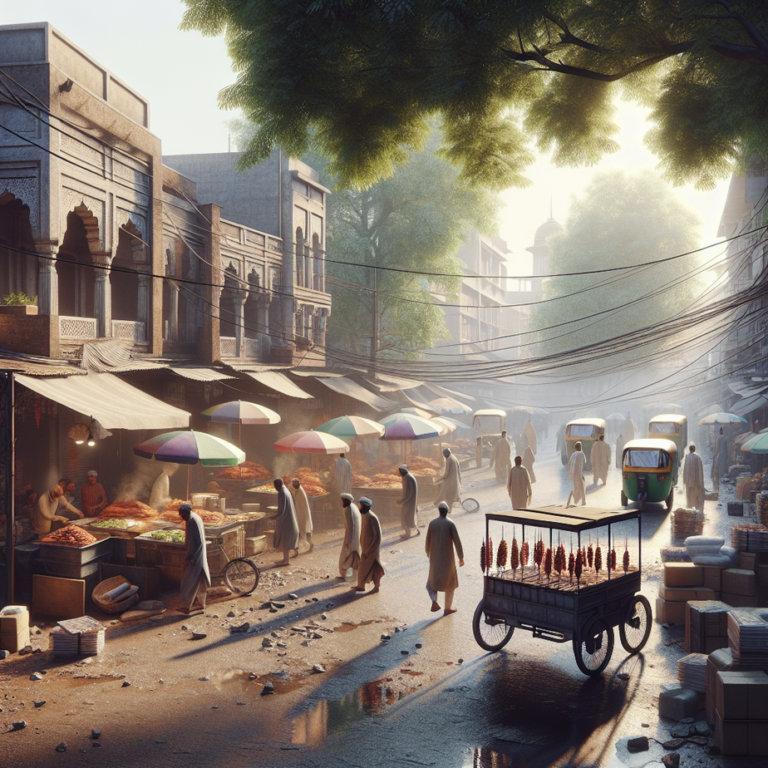
While the issue might sound academic, its ripple effect is being felt beyond DU’s red-bricked corridors. For one, traffic around GTB Nagar and Hudson Lane, already chaotic due to Metro construction and PG vans clogging the roads, is getting worse with increased police vans and protest crowds. “One extra jam today and I’m missing my shift again,” said Arun, a delivery guy working for a food aggregator, who often parks near Sudama Tea Point.
Parents of DU aspirants are also getting anxious. Admission season is barely a few months away and uncertainty over university policies and student unrest adds more confusion. Coaching centres near Mukherjee Nagar report increased student queries not just about entrance exams, but about “safe” colleges — both academically and politically.
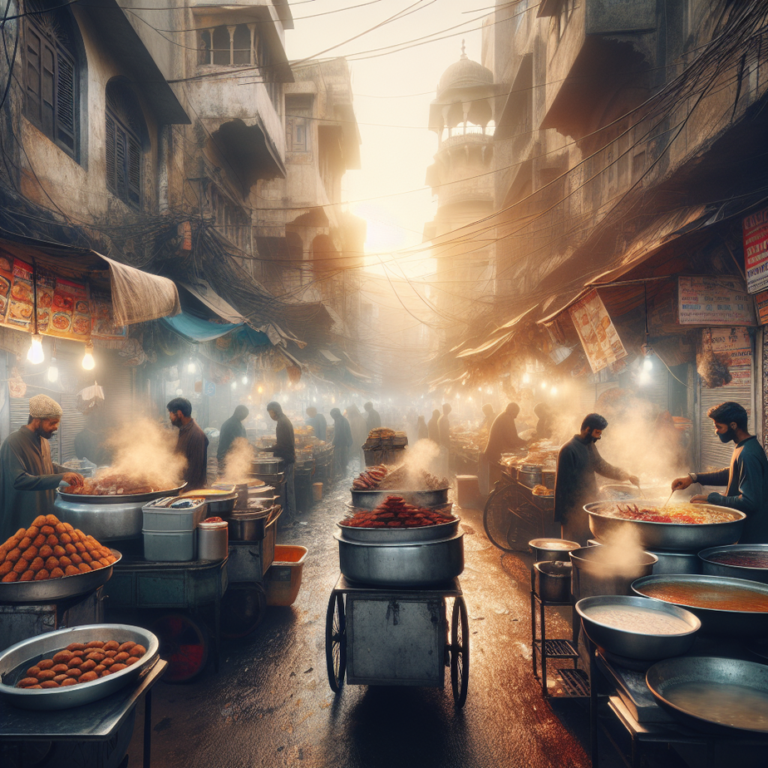
Even local thalis in Patel Chest area are affected. “Kam students aa rahe hain khane — sab dharnon mein hain,” a vendor near Malka Ganj said. If North Campus is shaken, the rest of Dilli feels the tremors. These are not just sit-ins. They challenge the ecosystem around Delhi education, from landlords and rickshaw drivers to photocopy shops and counsellors.
What Led to This Flashpoint?
Delhi has seen student movements before — the 2020 CAA protests near Jamia, the anti-fee hike agitations at JNU. This current unrest at DU follows that history of politically engaged campuses. The UGC Equity Policy 2026 was introduced mid-2025 as a national framework after years of feedback surveys and policy reviews, especially following post-pandemic dropouts among marginalized communities. While IITs and some private NCR institutions have already adopted components of the plan, DU remains a large domino still standing still.
Unlike Noida-based Amity or Gurgaon’s modern campuses that often escape intense political churn, DU is a lightning rod. Many say that’s because it’s both elite and accessible—housing millions of ambitions in 4×4 hostel rooms. The delay in implementation here has triggered larger concerns about equity, representation, and the actual soul of Indian public education. Similar pushbacks were seen in Hyderabad and Pune, but none carried North Campus’s symbolic weight. People in Delhi remember 2014’s FYUP protests; this echoes that energy, and then some.
Here’s What You Can Do If You’re in the Mix
- If visiting North Campus, avoid car travel during late afternoons (3 to 6 PM)—Metro’s Yellow Line to Vishwavidyalaya is the least affected right now.
- For students, check your college’s internal WhatsApp groups or ERP portals—some classes are being shifted online last minute due to disruptions.
- Parents worried about upcoming DU admissions should follow official @UnivofDelhi handles and join PG house-owner forums in areas like Roop Nagar for real-time updates.
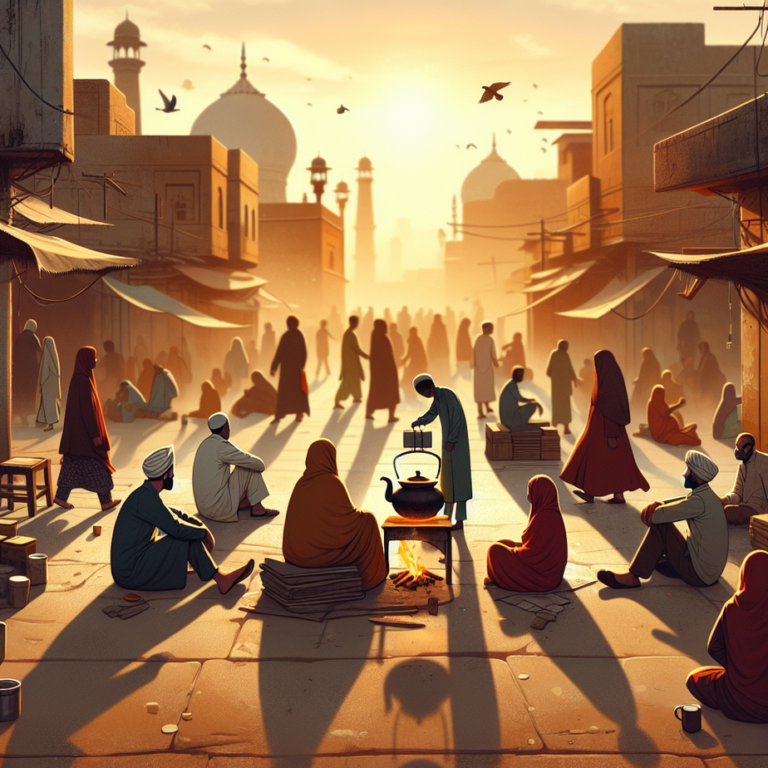
📍 Spot Check: Key protest zones include Arts Faculty lawn, the stretch between Kirori Mal and St. Stephen’s College, and Patel Chest Institute. Nearby Metro: Vishwavidyalaya (Yellow Line). Landmark: Sudama Tea Point, usually surrounded by placard-holding students and chai cups by late afternoon.
The Final Word
This isn’t just a policy logjam — it’s a tug-of-war over who gets a real chance at quality education. And yes, it may disrupt your plans to grab momos in Kamla Nagar tonight. But protests have long been part of Delhi’s student DNA. From fee structures to reservation debates, this is a city where the youth don’t just scroll — they march. What matters now is whether the University and UGC hear those chants echoing down the corridors of power… or keep the files gathering dust.
People Also Ask
Is this officially confirmed?
Yes, but implementation on ground may vary.
Who benefits the most?
Daily commuters, students and small shop owners.
Any hidden catch?
Check timings & local enforcement.
Have something to say? Drop a comment below!
#Delhi #NorthDelhi #UGCPolicy #StudentProtests #CampusBuzz
About the Author