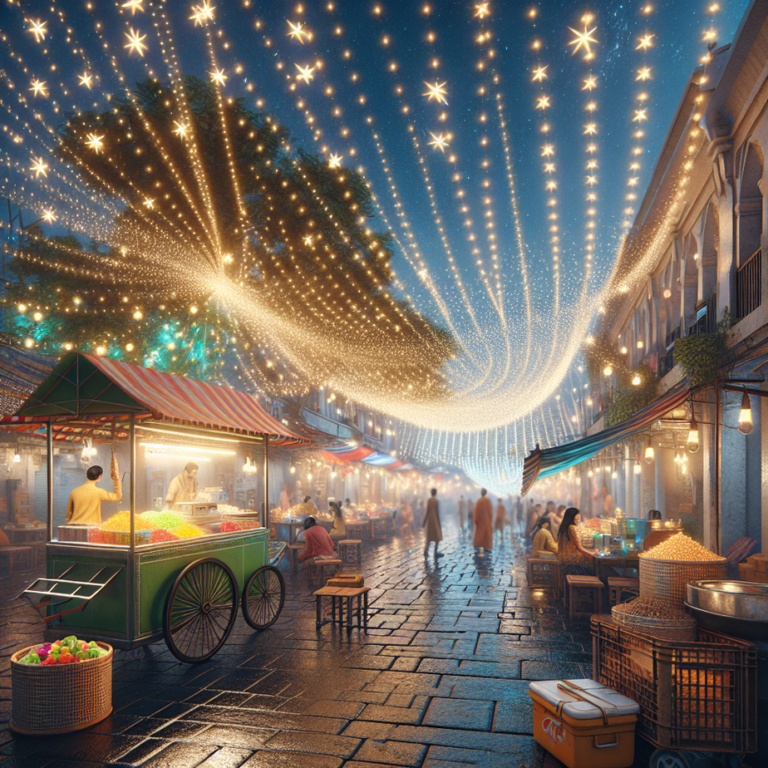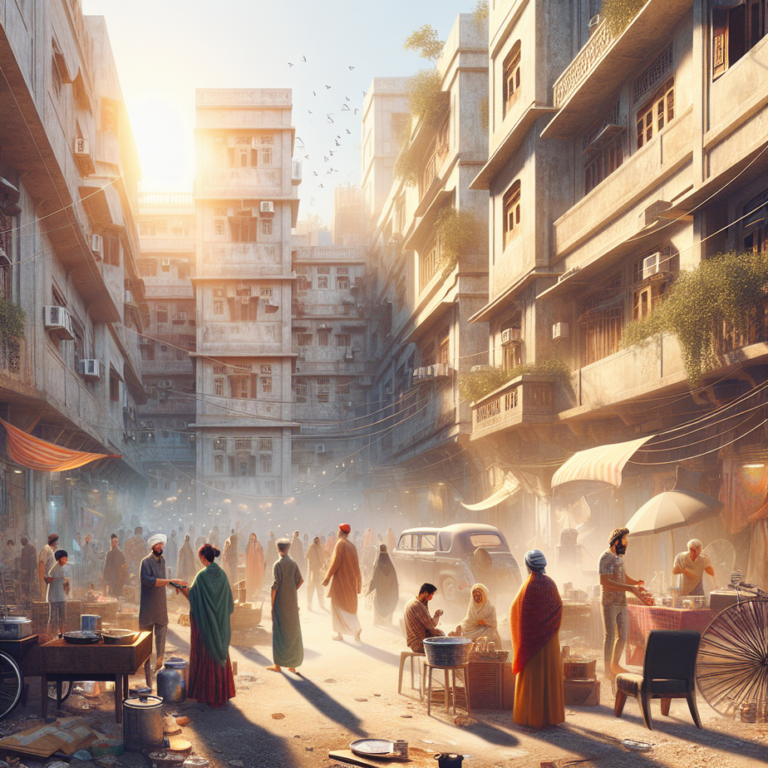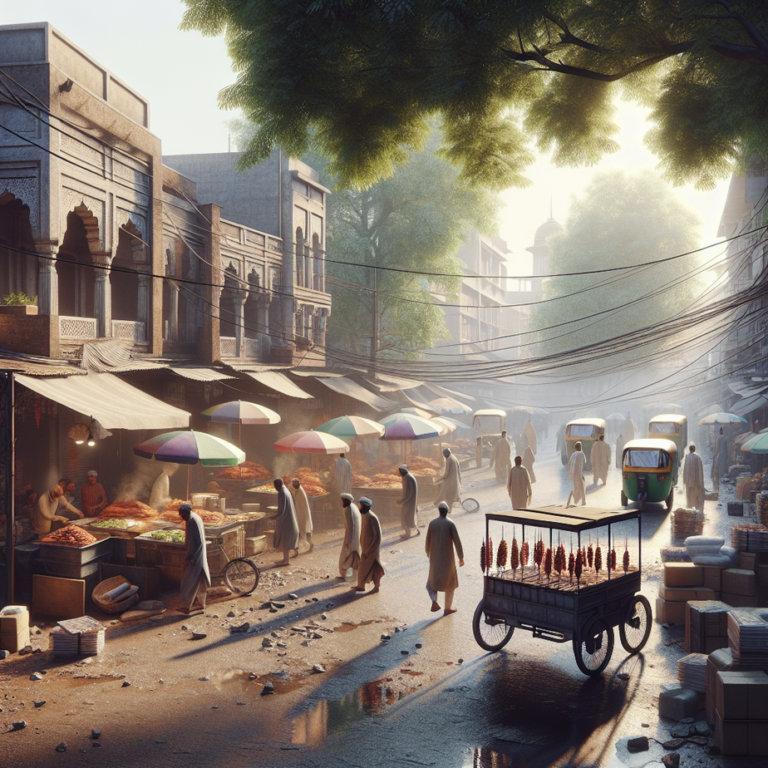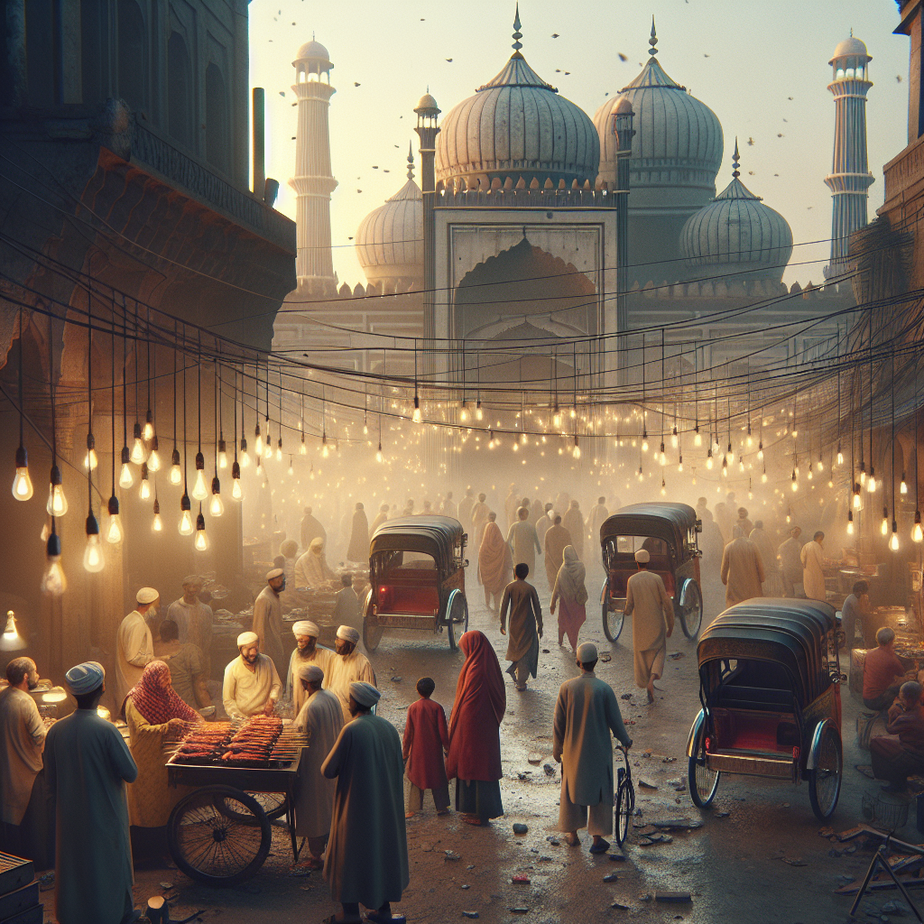
New Delhi — Ever wondered why a plate of rajma chawal in Karol Bagh tastes different from the same dish in Malviya Nagar? Or why North Campus students swear by momos from one specific cart outside Vishwavidyalaya Metro, even though there are 15 others in the same lane? Zaiqa-e-Dilli isn’t just a food project—it’s the closest thing we have to an edible map of Delhi’s shifting food habits, and it’s revealing exactly how our quirks, nostalgia, and daily routines shape what gets served on the plate—and where.
Decoding Zaiqa-e-Dilli: Not Just What We Eat, But Why
The initiative behind Zaiqa-e-Dilli is simple but impactful: track how personal routines, cultural memory, economic shifts, and even local infrastructure determine everyday eating in Delhi. It’s more than just street food reviews—it’s a data-backed, culture-rich look at the logic behind what ends up on a Dilliwala’s plate. Conducted by a team of researchers and food enthusiasts, Zaiqa-e-Dilli draws from field interviews, site surveys, and observational journaling. The outcome? A mosaic of eating patterns that change drastically from Lajpat Nagar’s Afghan bakeries to Shalimar Bagh’s preferred Sunday mutton preparations.
For instance, the team noted a sharp spike in takeaway chole-kulche post 6:30 PM near Patel Nagar stations—”likely due to spillover from office-goers returning from Central Secretariat,” as one researcher remarked. Other findings draw lines between seasons and food behaviours—think soya chaap dominating Rohini Phase 3 during summer nights, or til laddoos being hawked only near Mandir Marg in January. It’s not just about what’s selling, but how the rhythms of Delhi create demand. Smart, right?
How This Project Reflects Daily Dilli Life
You don’t have to be a food historian to relate to Zaiqa-e-Dilli’s insights. For college students in DU’s North Campus, affordability and speed often win—leading to the mini economy of ₹30-per-plate chowmein joints near GTB Nagar. Office-goers in Nehru Place, on the other hand, are shifting away from regular thalis to customised salads and millet bowls—largely due to accessibility from nearby corporate towers and growing health consciousness. One resident near Kalkaji Extension pointed out, “We see more healthy cafés now than halwais. Ten years ago, it was the opposite.”
For families, especially in areas like Mayur Vihar or Pitampura, the 8-9 PM dinner dash explains why you’ll often find paratha vendors staying open late, especially near metro exits. Meanwhile, vendors adapt quickly. A shopkeeper near Sarojini Nagar Metro said, “I used to sell samosas all day. Now I make egg rolls from 7 PM onwards—people want quick dinner after shopping, not snacks.” These micro-trends speak volumes about the city’s warp-speed lifestyle and the food economy adjusting with it.
Old Habits vs. New Grub: How We Got Here
Delhi has always worn its food culture loud and proud. From Connaught Place’s legacy bakeries to Tilak Nagar’s tandoori chicken joints, our eating patterns used to be largely built around familial habits and traditional recipes. But the metro boom, tech work schedules, hyperlocal delivery apps, and shifting migration have changed all that. Earlier, samosa with chai at 4 PM was almost sacred. Today, it’s often replaced by cold coffee on the metro or Maggi from a roadside vendor who knows everyone’s name.
Compare this with cities like Mumbai, where vada pav has resisted most change, or Bangalore, where dosa culture largely remains regional. Delhi, by contrast, is a food shapeshifter—it morphs with every mood, festival, and even heatwave. Zaiqa-e-Dilli gives us the clearest view yet of how our old loyalties and new conveniences are coexisting—and often colliding—on the same thali.
What You Can Do with This Food Intel
- Explore your lane: Try documenting what vendors appear during different times of the day in your neighborhood—patterns may surprise you.
- Shift timing, try something new: If you usually grab lunch at 1 PM, try going out at 2:30 PM—you may catch fresh bhature or changeovers in menus.
- Talk to your local vendor: Ask them what sells most during which hours—they often reveal eating trends before they go viral online.
📍 Spot Check: Key locations with high food turnover include Rajouri Garden main market post 5 PM, INA Market afternoons, and early mornings near Laxmi Nagar Metro Gate 2—solid places to observe evolving food routines firsthand.
The Final Word
From TikTok-famous momos to nukkad kulfi under a tree in Chandni Chowk, Delhi’s food culture is more than its spices—it’s an ongoing conversation between habit, heritage, and hustle. Projects like Zaiqa-e-Dilli don’t just celebrate what we eat, they make us question why we eat the way we do. So the next time you order from Swiggy or line up at your local roll stand, ask yourself: is it just hunger, or is it routine? Because in Dilli, food is data—and every bite has a backstory.
People Also Ask
Is this officially confirmed?
Yes, but implementation on ground may vary.
Who benefits the most?
Daily commuters, students and small shop owners.
Any hidden catch?
Check timings & local enforcement.
Have something to say? Drop a comment below!
#Delhi #DelhiNCR #FoodTrends #LocalEats #CultureWatch
About the Author