New Delhi — Quick quiz: What do Kumbh Mela, Yoga, and Varanasi’s Ramnami chants have in common? Besides blowing up your Instagram Reels, these are all on UNESCO’s Intangible Cultural Heritage list. And now, one of the most powerful heritage bodies in the world—the UNESCO Intergovernmental Committee for the Safeguarding of Intangible Cultural Heritage—is having its big annual session right here in Dilli. Yes, at Vigyan Bhawan. Modi-ji gave it the official “Swag Se Swagat” moment.
UNESCO Session Comes to Delhi—and It’s Not Just for the Selfies
The 18th session of UNESCO’s Intangible Cultural Heritage (ICH) Committee kicked off in New Delhi this week, hosted by the Ministry of Culture. Prime Minister Narendra Modi welcomed the international delegates with his usual flair, but here’s what’s actually happening behind those high-security gates near India Gate. Don’t roll your eyes, it’s not just another sarkaari meeting with tea and samosas.
The session runs from December 4th to 9th, and involves 24 member nations discussing which cultural practices will be inscribed or protected under the UNESCO ICH convention. Think endangered dance forms, dying languages, oral traditions, food rituals, and even festivals that are at risk of fading out. India is not just the host but also a key player this year, making several pitches to get local traditions—like Garba from Gujarat and Hyderabad’s traditional biryani-making practices—onto UNESCO’s coveted list.
Over 300 delegates from around the globe are attending, including culture ministers, historians, NGOs, and community custodians. Apart from closed-door discussion sessions, there are cultural exhibitions at Crafts Museum (Pragati Maidan) and cultural performances at Mandi House. The Ministry is also looping in school children and college clubs under its “Heritage for All” outreach programme. So if you spot school kids in crisp uniforms snapping pics near Central Secretariat metro, now you know why.
Why Should a DU Student or a Saket Entrepreneur Care?
Good question. We all love a good Kathak performance or a Diwali mural at Janpath, but how does this UNESCO-driven sesh affect our galli-level life? Well, quite a lot when you zoom out. Getting more Indian traditions officially recognised means higher chances of cultural tourism, overseas grants, and even local revival schemes. That means your cousins who’s been running a niche “Phoolkari revival” brand from their basement in Shahdara might just make it big if their craft gets picked up internationally.
For Delhiites, this also means the city could become a long-term hub for cultural diplomacy and heritage tourism—a fancy way of saying more jobs, better infrastructure near heritage sites like Hauz Khas, Mehrauli, and Nizamuddin. Also, because the sessions include safeguarding endangered art forms, we might actually hold on to asli festive vibes in a world turning increasingly mass-produced and digital. Say goodbye to “Diwali made in China” LED strips and hello to handmade mithai from Chhatarpur mandirs.
Wait, Has Delhi Ever Played Host Like This Before?
This isn’t the first time India has flirted big with UNESCO. We’ve had heritage site recognitions (think Qutub Minar, Red Fort), but hosting the ICH committee is a bigger flex. The last notable instance was during the 2011 World Heritage Committee meet in Jaipur, but that focused more on physical monuments. Hosting an intangible-focused committee is extra nuanced—because culture isn’t brick-and-mortar. It’s songs, dances, recipes, rituals—you know, the things you can’t build a wall around. Delhi’s track record on monument conservation has been iffy (just ask the goats loitering around Feroz Shah Kotla), but on intangible culture, we might be better off.
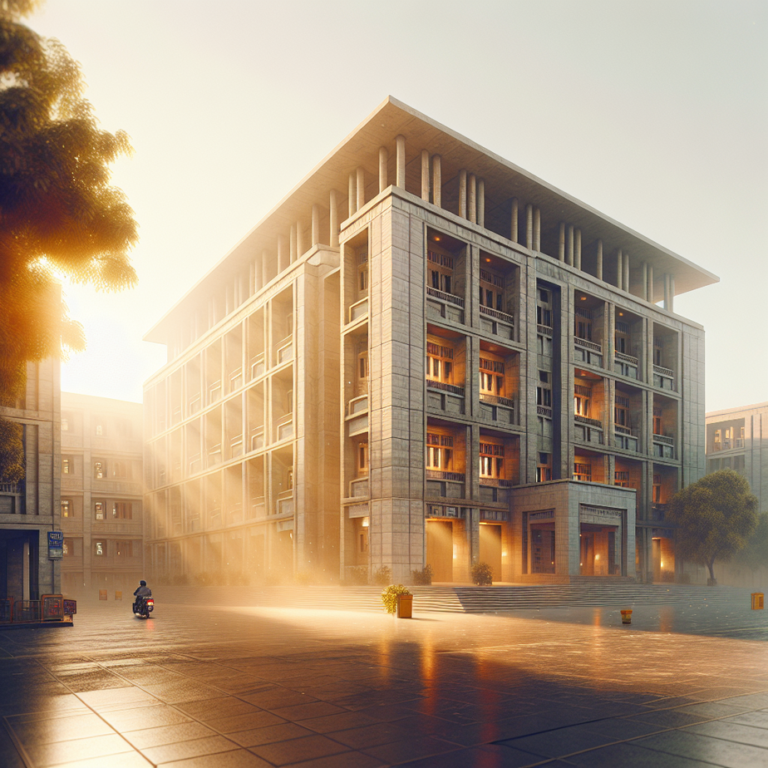
📍 Spot Check: Vigyan Bhawan is in the heart of Lutyens Delhi, flanked by Maulana Azad Road and just a stone’s throw from Khan Market. Central Secretariat metro station is your closest drop, but expect diversions on Shahjahan Road and Rajpath. Nearby hangouts like Theos in Janpath or Triveni Kala Sangam may see a slight spike in crowd thanks to delegates and culture vultures.
The Final Word
This is a rare high-brow moment for Dilli. Instead of being in the headlines for traffic jams or jamais taking over Ramlilas with their selfies, we’re actually hosting an event that has the potential to keep our cultural roots alive (and even make money from it—let’s be honest). It’s a “Yay” from me. But here’s the question: Can we move beyond the photo-ops and actually institutionalise these efforts?
Have something to say? Drop a comment below!
#HeritageInDilli
#ModiWelcomesUNESCO
#CultureCantBeCaged
#DilSeDilli
#UNESCOxIndia2024
About the Author