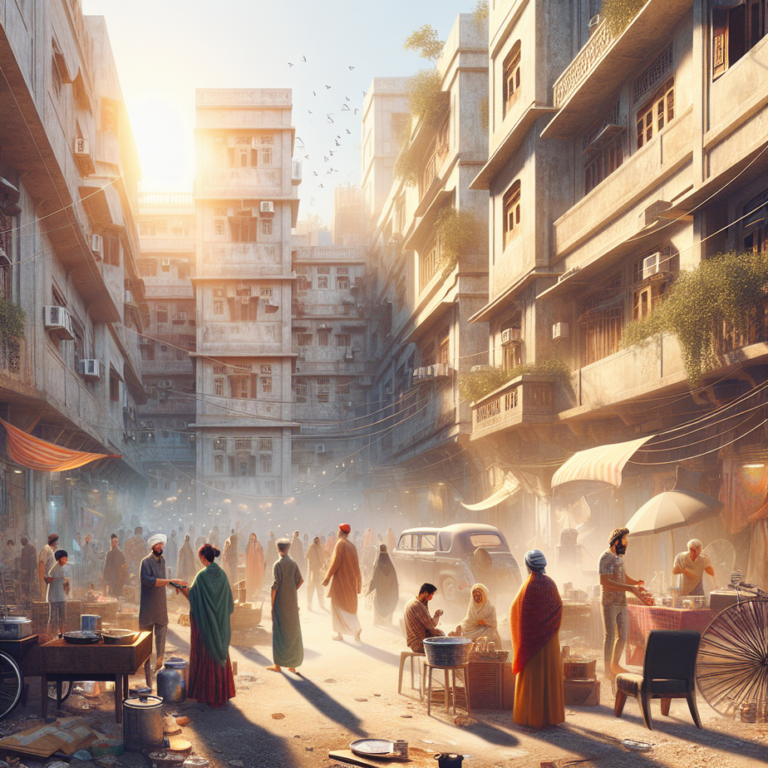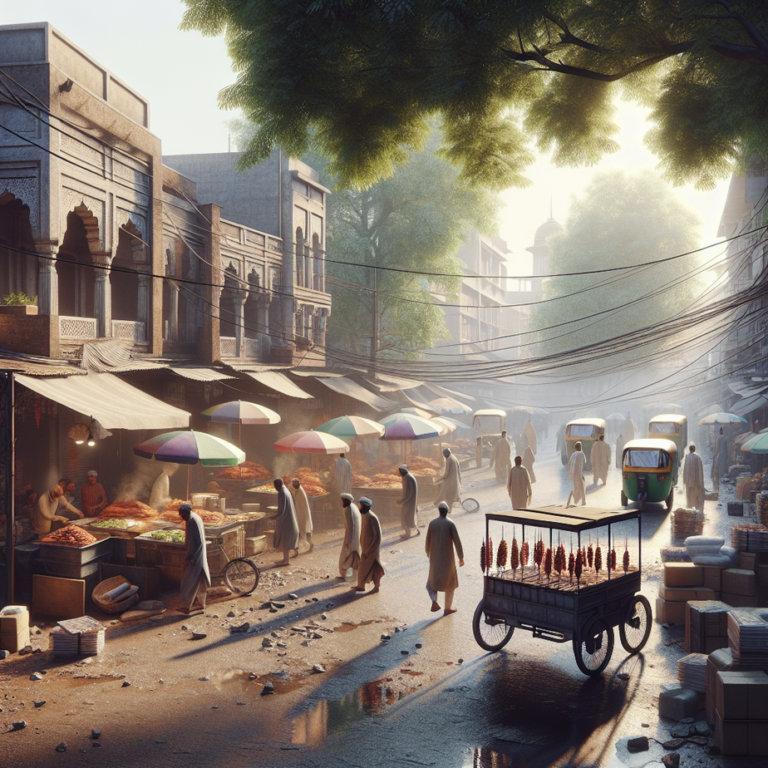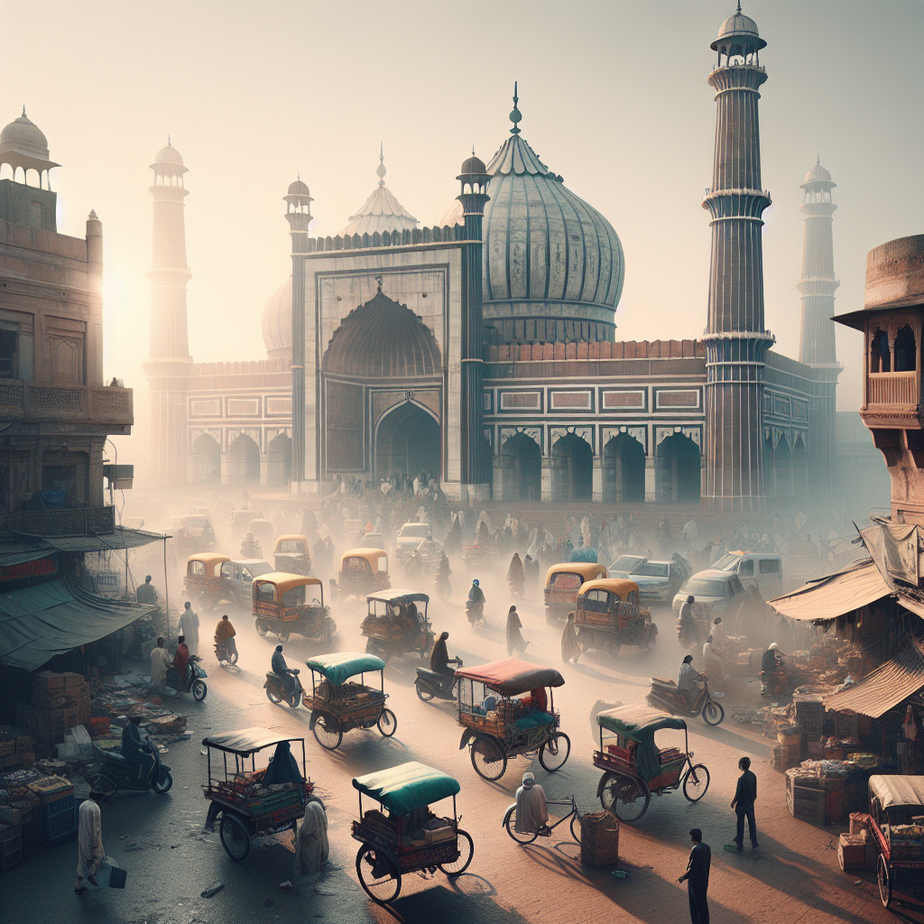
New Delhi — If you’ve ever inched your way through Chandni Chowk on a muggy afternoon, dodging tempo-wallahs and tut-tutting rickshaws while eyeing jalebis from the corner of your eye—you know Old Delhi isn’t built for comfort. But that might just change soon, as the newly minted Chief Minister Rekha Gupta steps in to lead the Old Delhi revitalisation panel. So the big question is: Will Dilli’s heart finally get its overdue upgrade?
Rekha Gupta at the Helm: What’s the Vision?
Delhi Chief Minister Rekha Gupta has officially taken over as the head of the Old Delhi redevelopment panel—a task that’s as politically sensitive as it is complex. The panel itself isn’t new; previous proposals to ease congestion, improve sanitation, relocate street vendors nearby and pedestrianise key areas have floated around for years. But under new leadership, there’s fresh political capital and momentum to finally act.
Sources say the new approach under Gupta aims to blend the functionality of a modern city centre with the heritage and commercial clout of the old one. Think Connaught Place planning with Jama Masjid’s charisma—ambitious, but not impossible. Early reports hint at smart traffic rerouting around Chawri Bazaar, upgraded utilities, and maybe even proper signage in Urdu, Hindi, and English (finally!).
Gupta’s focus reportedly includes safety check-ups in aging havelis, fair relocation spots for vendors currently clogging Nai Sarak, and a crackdown on illegal encroachments that have made popular alleys virtual no-go zones post-sunset. To be fair, all this sounds promising—but the people of Dilli know: between plans and pavement, there’s always a pothole of politics.
Reality Check: What This Means for Daily Life
For the locals who operate their daily lives through the narrow veins of Old Delhi—this could be a make-or-break moment. Residents of Ballimaran say they’ve seen too many promises disappear faster than a plate of paranthas at Paranthe Wali Gali. But this time might be different.
Shopkeepers along Dariba Kalan are cautiously hopeful. “Agar traffic theek ho jaaye toh tohfa hi samjho,” said a bangle vendor whose shop has been operating since the 1980s. Footfall has dipped post-pandemic, and an organised layout could revive small businesses dramatically. On the flip side, office-goers commuting from Yamuna Vihar and Seelampur worry about temporary closures during construction phases, especially since metro exits like Chawri Bazaar tend to get overwhelmed by 5 PM already.
For student communities staying in Daryaganj or Civil Lines, better pedestrian access and more regulated e-rickshaw stands could be genuine game-changers. With Gupta’s team promising audits and trials before large-scale shifts, there’s optimism—but also a guarded one. Delhiites have heard lofty announcements before, after all.
Old Delhi’s Legacy of Resilience and Mess
To understand today’s plan, you have to rewind. The Shahjahanabad Redevelopment Plan from 2006 was one of the earliest attempts at a structured upgrade—but was largely shelved under bureaucratic layers and divided authority. Then came the pedestrianisation project of Chandni Chowk in 2021, which was partially successful (depending on who you ask) but didn’t manage the expected traffic dispersal or utilities integration.
Compared to efforts in heritage zones like Kolkata’s Park Street or Ahmedabad’s old city—both of which have undergone street redesign and cultural preservation—Delhi’s execution has long been hindered by overlapping agencies like MCD, ASI, and the Delhi Police. Rekha Gupta’s position now puts political leadership at the top of this pyramid—an alignment many believe has been missing in past efforts.
If You’re Visiting or Living Nearby, Here’s What To Do
- Plan trips to Old Delhi during weekday mornings (before 11 AM) to avoid peak vendor and commuter congestion, especially near Jama Masjid and Red Fort lanes.
- If you’re a shopkeeper or regular trader in the area, now is the time to register with local traders’ associations—Gupta’s panel is tipped to consult them first.
- Use the Violet and Yellow Line metro stations (Jama Masjid, Lal Qila, Chandni Chowk) instead of depending on autos or rickshaws—road rerouting trials may start soon.
📍 Spot Check: Relevant nearby locations include Chawri Bazaar Metro Station (easily the busiest exit), Town Hall crossing near Ghanta Ghar, and the ever-chaotic Gate No. 2 of Jama Masjid. Traders say the area between Nai Sarak and Kucha Mahajani is where pilot interventions may first roll out.
The Final Word
Delhi loves its chaos—but there’s a growing sense that Old Delhi deserves better. Rekha Gupta stepping in as CM and taking charge of the restoration panel is, if nothing else, a sign that the old lanes and crowded chowks are finally being treated with strategic importance, not just nostalgia. Will these efforts finally break the cycle of missed targets and mango-juice promises? Only time (and traffic) will tell. But here’s a thought: what would you fix first in Old Delhi if you had the power?
People Also Ask
Is this officially confirmed?
Yes, but implementation on ground may vary.
Who benefits the most?
Daily commuters, students and small shop owners.
Any hidden catch?
Check timings & local enforcement.
Have something to say? Drop a comment below!
#Delhi #NorthDilli #UrbanPlanning #DelhiDevelopment #CityUpdates
About the Author