St Stephen’s Started in Chandni Chowk? True Delhi Story
New Delhi — Ever imagined St Stephen’s College coexisting with havelis and spice traders? Turns out, the legacy college with the sprawling lawns and crimson ivy walls didn’t start where you think. Long before it took root in the leafy paths of North Campus, St Stephen’s was tucked inside the heart of Dilli 6, where today’s crowd jostles for chandni at Paranthe Wali Gali. This piece of history isn’t widely known—even among lifelong Delhiites—and it rewires how we see ‘old meets new’ in the capital.
From Chandni Chowk to North Campus: Yes, Really
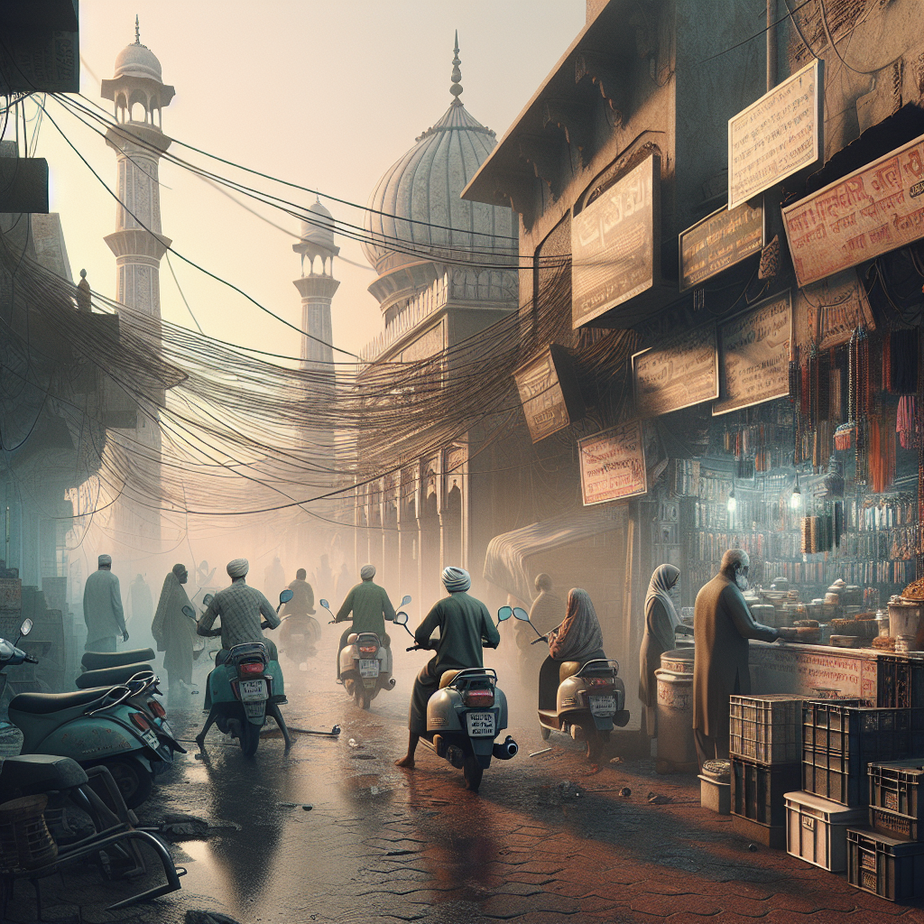
Before its red brick identity arrived at today’s University Enclave, St Stephen’s College started in 1881 right in Chandni Chowk. Back then, it operated out of a modest haveli, surrounded by bustling bazaars and rickety tongas—certainly a far cry from its current colonial Gothic vibe. The college was first set up by Cambridge missionaries of the Delhi Mission, aiming to bring English-language higher education to Delhi’s youth.
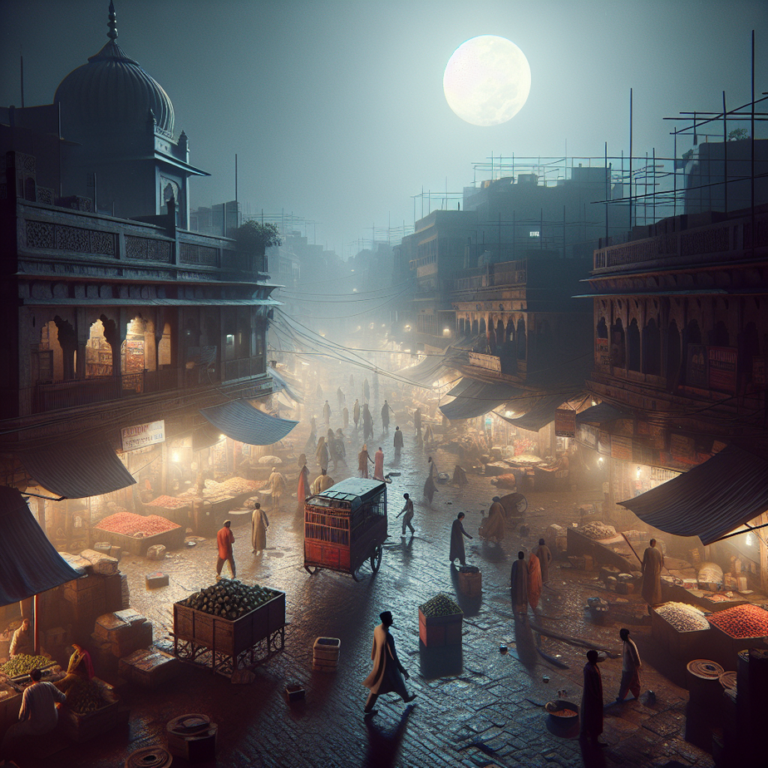
Its first home was near Kinari Bazaar, reportedly nestled between spice merchants and cloth traders. With fewer than a dozen students in its inaugural year, it was more akin to a tutorial centre than a college. Historians note that it shared its lanes with loud vegetable hawkers and the omnipresent clang of temple bells. Nothing like the echoing silence of present-day tutorial rooms in the campus off Sudhir Bose Marg.
Imagine walking to class dodging mule carts and the aroma of jalebi next door—it makes even today’s jam-packed yellow line Metro feel posh in comparison. But that humble start grounded the institution in real Dilli, long before admission cut-offs began flirting with 99%.
What It Means for Delhiites Today
The story sheds light not only on St Stephen’s legacy but also on how Central Delhi has been an unexpected starting point for many institutions we now associate with the well-planned grid of Lutyens Delhi or the sprawl of NCR.
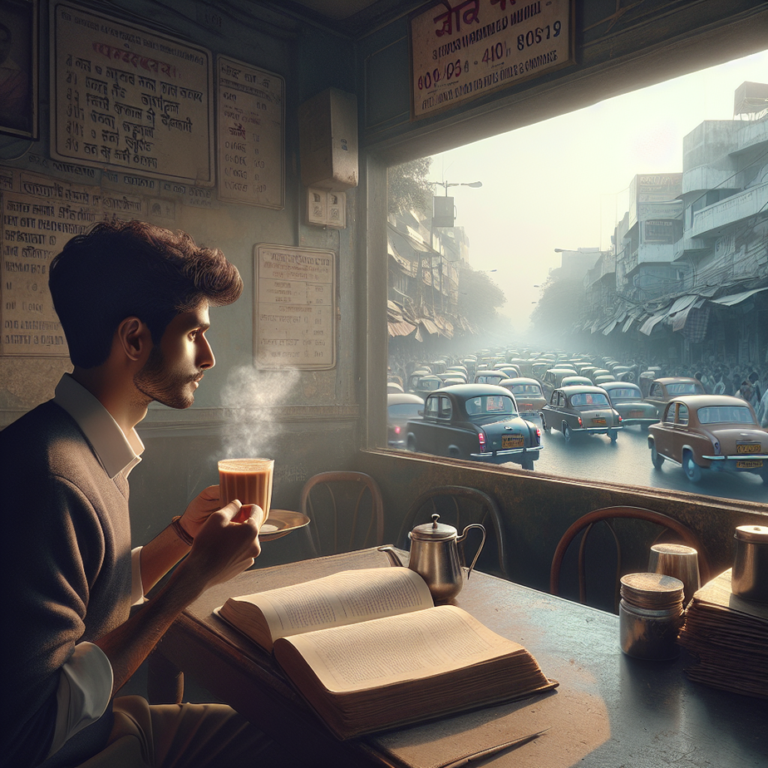
For current students and alumni, it’s a reminder that even the ‘top colleges’ weren’t born with manicured lawns. “I always thought of Stephen’s as someplace elite and removed,” a DU student from Hansraj College told us. “But learning that it began in the lanes where I bargain for kurtas just made it feel more, I don’t know, grounded.”
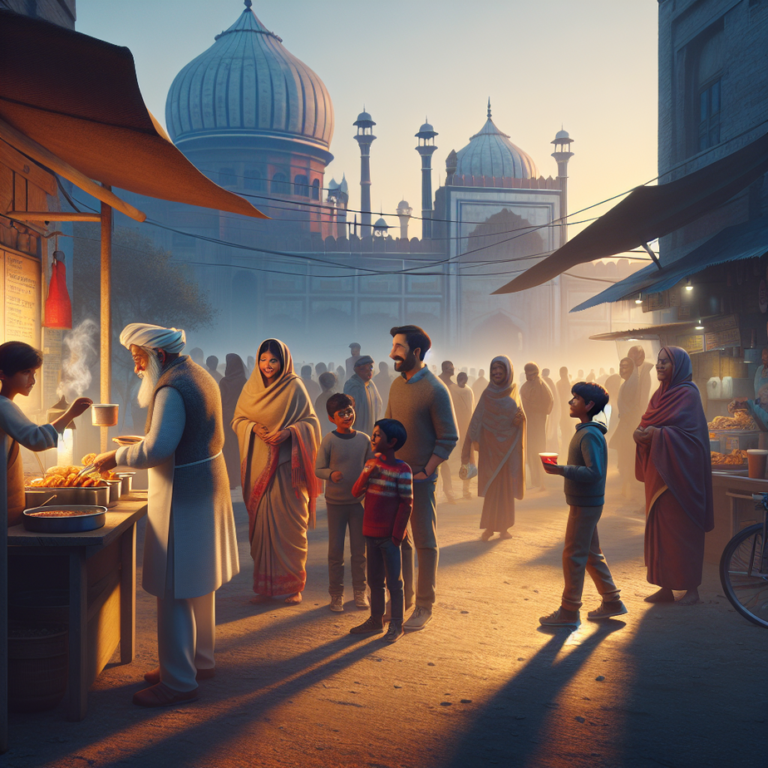
For nearby locals and shopkeepers in old Delhi, the history gives them bragging rights. One food stall outside Ballimaran said, “Sahab, yahaan pe toh aaj sab college jaate hain, lekin pehle woh college yahin aata tha!”
Even office-goers using Chandni Chowk Metro can now imagine what the area must’ve felt like when students in angrez-era blazers strolled past jalebi shops instead of tourists with DSLRs. There’s a newfound layer to the city’s charm—and to daily commutes.
Before the Bell Rang in North Campus
In the late 1800s, British India was redrawing education lines. Institutions like Presidency College in Calcutta and Madras Christian College were springing up with missionary backing. Delhi, more known then for its Mughal nostalgia and bazaars, wasn’t the obvious choice—but that’s exactly where St Stephen’s arrived.
The Cambridge Brotherhood’s Delhi Mission chose Chandni Chowk for its reach—it was where people came from all parts of the city and nearby towns. This was before ISBT or even motor buses; the city’s flow operated from the bell towers of Jama Masjid to the ferry ghats at Yamuna.
The shift to what is now North Campus happened in 1941, during the wartime decades, when Delhi began its transformation into the political capital of a soon-to-be independent India. But those six decades in the heart of Shahjahanabad? That’s where the soul of St Stephen’s was forged—amid ulte-kameez tailors, shouting sabziwalas, and the occasional langar.
Here’s How to Experience This Past Yourself
- Start your Old Delhi walk at Chandni Chowk Metro Gate 5 and head towards Kinari Bazaar—ask locals where “Purani Kothi” style buildings still stand.
- Visit the St Stephen’s Church on Church Mission Road—it’s not the college but shares the same British Mission roots and architectural style.
- Drop by Chawri Bazaar early morning around 8 AM for a sense of everyday workers’ hustle—it likely echoes what 1880s students heard before class.
📍 Spot Check: Chandni Chowk Metro Station (Yellow Line), Kinari Bazaar, Church Mission Road, and the Fatehpuri area—each offers angles of St Stephen’s unusual origin story.
The Final Word
Delhi’s glories aren’t only in monument walls—they live in the worn-out steps of old study halls, in street corners where institutions once found their shape. Knowing that St Stephen’s sprouted amidst Chandni Chowk’s chaos connects youth to a shared city memory that’s more relatable than any prospectus photo. So the next time you’re jostling past Bhagirath Palace or haggling over dupattas near Dariba Kalan, remember—once upon a time, a legacy began here. Does Old Delhi still shape the future of New Delhi? You tell us.
People Also Ask
Is this officially confirmed?
Yes, but implementation on ground may vary.
Who benefits the most?
Daily commuters, students and small shop owners.
Any hidden catch?
Check timings & local enforcement.
Have something to say? Drop a comment below!
#Delhi #NorthDelhi #HiddenHeritage #CollegeStories #WeekendPlans
About the Author