New Delhi — Getting admission to a good Delhi college is one thing, but walking out three years later with confidence, communication skills and a clear career direction is another challenge altogether. Between crowded Metro rides, photocopy shops in Kamla Nagar and endless conversations about placements over chai, college life teaches lessons that textbooks often miss. The Delhi Chief Minister’s recent remarks about colleges building personalities and leadership, rather than simply awarding degrees, have opened an important conversation for students and parents across the capital.
Beyond the Degree: What Delhi’s Colleges Should Really Deliver
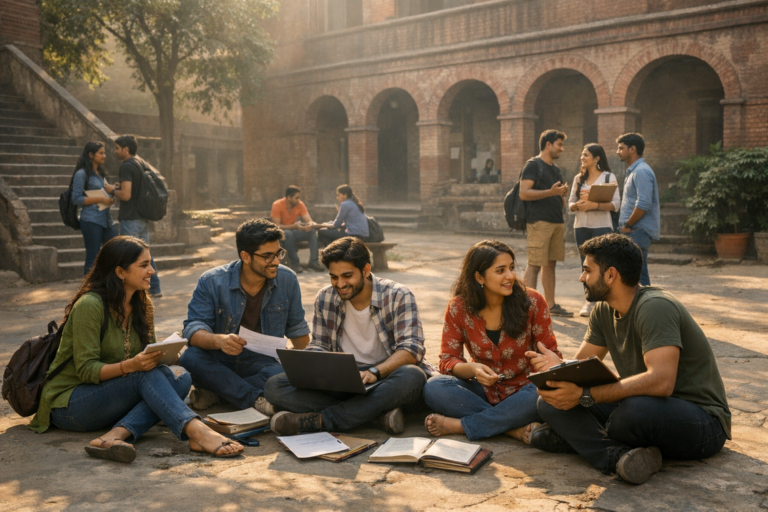
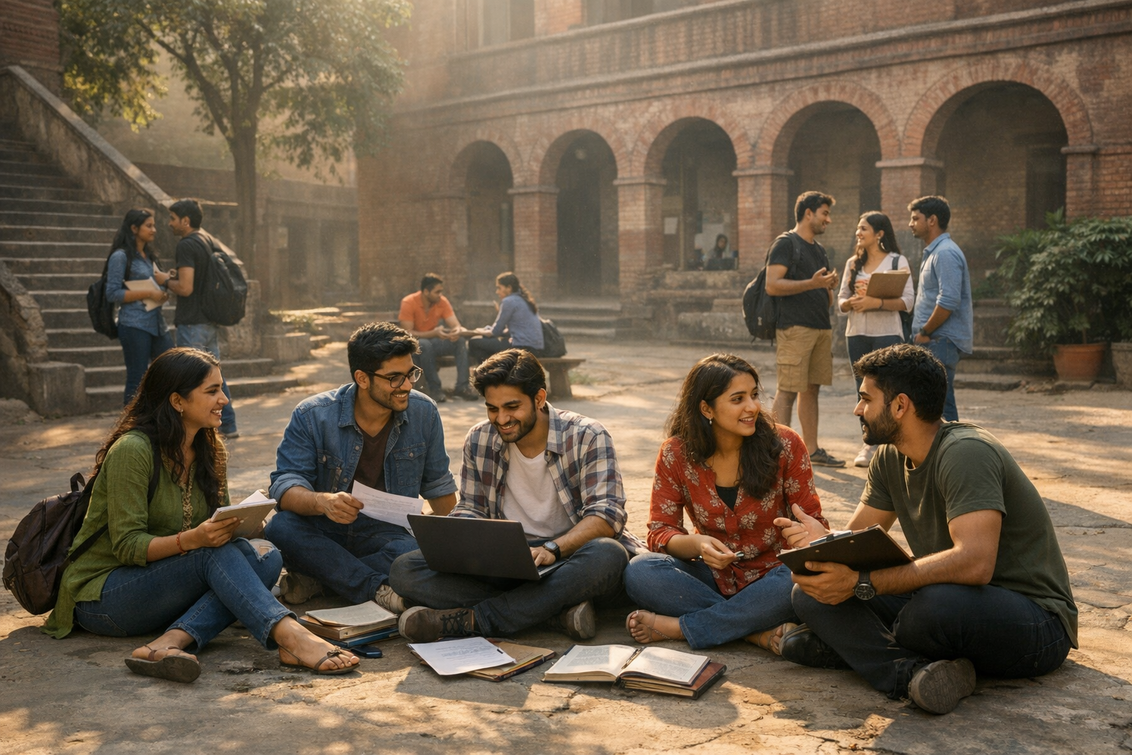
According to a report published by Careers360, the Delhi Chief Minister emphasised that colleges should focus on personality development and leadership alongside academic qualifications. The message is particularly relevant in a city where thousands of graduates compete for employment opportunities every year. A degree may help students meet the eligibility requirements for a job, but communication, problem-solving, teamwork and decision-making often determine how they perform during interviews and in the workplace. Delhi’s higher education institutions have considerable potential to develop these abilities through debating societies, cultural festivals, entrepreneurship cells, student-led projects and community engagement programmes. At Delhi University’s North Campus, for instance, participating in a college society can expose students to event management, budgeting, sponsorship discussions and public speaking. These experiences offer practical learning opportunities that traditional classroom examinations may not provide. Similarly, students studying in institutions around Dwarka, Rohini and South Delhi can benefit from industry interactions, internships and collaborative projects. However, personality development should not become another expensive certificate course. It needs to be accessible to students from different financial backgrounds, including those who commute long distances or work part-time. Colleges can make a meaningful difference by integrating practical assignments, mentorship and leadership opportunities into regular academic schedules. The objective should be to produce capable graduates who can think independently, communicate clearly and handle responsibilities, without compromising the importance of strong subject knowledge.
What This Means for Delhi Students and Their Families
For an average Delhi household, higher education represents a significant financial and emotional investment. Families spend money on tuition fees, transportation, coaching, books and sometimes accommodation near college campuses. Students travelling from Uttam Nagar to Vishwavidyalaya or from Laxmi Nagar to South Campus already spend considerable time commuting. Adding professional development activities outside regular college hours can make their schedules even more demanding. Anyone familiar with the evening rush near Rajiv Chowk Metro station knows how exhausting daily travel can become, particularly when students are carrying heavy bags after attending lectures all day. A familiar question captures the concern many students face: “Degree toh mil jayegi, lekin job interview mein kya bolenge?” That concern explains why colleges need to provide practical exposure before graduation. Parents should also recognise that participation in debates, volunteering, sports and college festivals is not necessarily a distraction from studies. These activities can help students build professional confidence and discover career interests. Meanwhile, businesses around college areas, including cafés in Hudson Lane, stationery shops in Kamla Nagar and printing centres near Satya Niketan, also form part of the student ecosystem. Better organised campus activities can create additional opportunities for these businesses while encouraging students to understand budgeting, negotiation and professional relationships.
From Attendance Registers to Industry-Ready Graduates
Delhi has historically been one of India’s most important higher education destinations. Institutions such as the University of Delhi, Jamia Millia Islamia, Jawaharlal Nehru University and several technical universities attract students from across the country. For decades, academic performance and university reputation have heavily influenced how families evaluate educational success. However, the employment landscape surrounding Delhi has changed considerably. Gurugram’s corporate offices, Noida’s technology companies and Delhi’s expanding startup ecosystem increasingly require employees who can adapt to changing responsibilities. Employers may assess candidates through presentations, group discussions, practical assignments and technical interviews rather than relying exclusively on academic marks. The National Education Policy 2020 also places emphasis on multidisciplinary education, experiential learning and skill development. Delhi’s colleges have an opportunity to translate these broader educational objectives into everyday student experiences. Unlike earlier generations, today’s students can access online courses, virtual internships and professional networking platforms alongside classroom education. Nevertheless, access remains uneven. Some students have excellent digital resources and industry connections, while others struggle with basic expenses. Effective college-led personality development programmes could help reduce this difference by offering structured opportunities directly on campus, without requiring expensive private training.
Your Delhi College Survival Guide: Turn Campus Life Into Career Skills
- Join one active college society and take responsibility: Instead of collecting membership certificates from multiple societies, choose one that matches your interests. A debating club, theatre group, entrepreneurship cell or placement committee can help you develop useful professional abilities. Volunteer to organise an event, manage a small budget or coordinate a team. These experiences provide specific examples to discuss during future job interviews. Students who are uncomfortable with public speaking can start with smaller responsibilities before gradually taking on leadership roles.
- Explore affordable learning opportunities across Delhi NCR: Keep track of public lectures, career workshops, university seminars and networking events around Mandi House, India Habitat Centre, Pragati Maidan and nearby educational institutions. Check official event schedules and registration requirements before travelling. Many useful learning opportunities are free or reasonably priced. Students should also check their college placement cell regularly instead of depending entirely on social media advertisements or expensive career development programmes. Compare internship responsibilities carefully and avoid organisations demanding questionable upfront registration fees.
- Build a practical career portfolio before your final year: Maintain a simple digital folder containing your best assignments, presentations, volunteer experiences, internship projects and relevant achievements. Practise explaining what you contributed, which challenges you faced and what you learned. Schedule a mock interview with a friend, professor or placement coordinator at least once every semester. Students commuting from distant NCR locations can use selected travel time to listen to educational podcasts, review interview questions or plan upcoming projects, while keeping enough time for rest and academic preparation.
📍 Spot Check: Students looking to understand Delhi’s college culture can explore North Campus near Vishwavidyalaya Metro station, Kamla Nagar Market and Hudson Lane. For South Campus institutions, Durgabai Deshmukh South Campus Metro station and Satya Niketan are important student hubs. Notice the photocopy shops operating around assignment deadlines, cafés hosting informal project discussions and students preparing presentations between lectures. These neighbourhoods offer a glimpse into how learning extends beyond classrooms. For professional exposure, students can also monitor authorised public events and career opportunities around Gurugram’s Cyber City and Noida Sector 62. Always confirm event timings, entry requirements and Metro connectivity before planning a visit.
The Final Word
Delhi’s colleges should be judged by more than examination results, impressive infrastructure and annual placement figures. A genuinely effective institution helps students discover their strengths, develop independent thinking and prepare for responsibilities beyond graduation. The Chief Minister’s emphasis on personality development and leadership is a worthwhile educational direction, but its success will depend on practical implementation. Affordable workshops, accessible mentorship, meaningful internships and student-led initiatives would make the idea considerably more useful. Leadership should not be reserved for outspoken students or those with strong financial backgrounds. Quiet students, first-generation graduates and daily commuters deserve equal opportunities to develop confidence. Ultimately, a degree should represent both academic achievement and personal growth. Do you think Delhi’s colleges are doing enough to prepare students for life beyond the classroom?
People Also Ask
Is this officially confirmed?
Yes, but implementation on ground may vary.
Who benefits the most?
Daily commuters, students and small shop owners.
Any hidden catch?
Check timings & local enforcement.
Have something to say? Drop a comment below!
#Delhi #DelhiNCR #CollegeLife #LeadershipDevelopment #EducationNews
About the Author