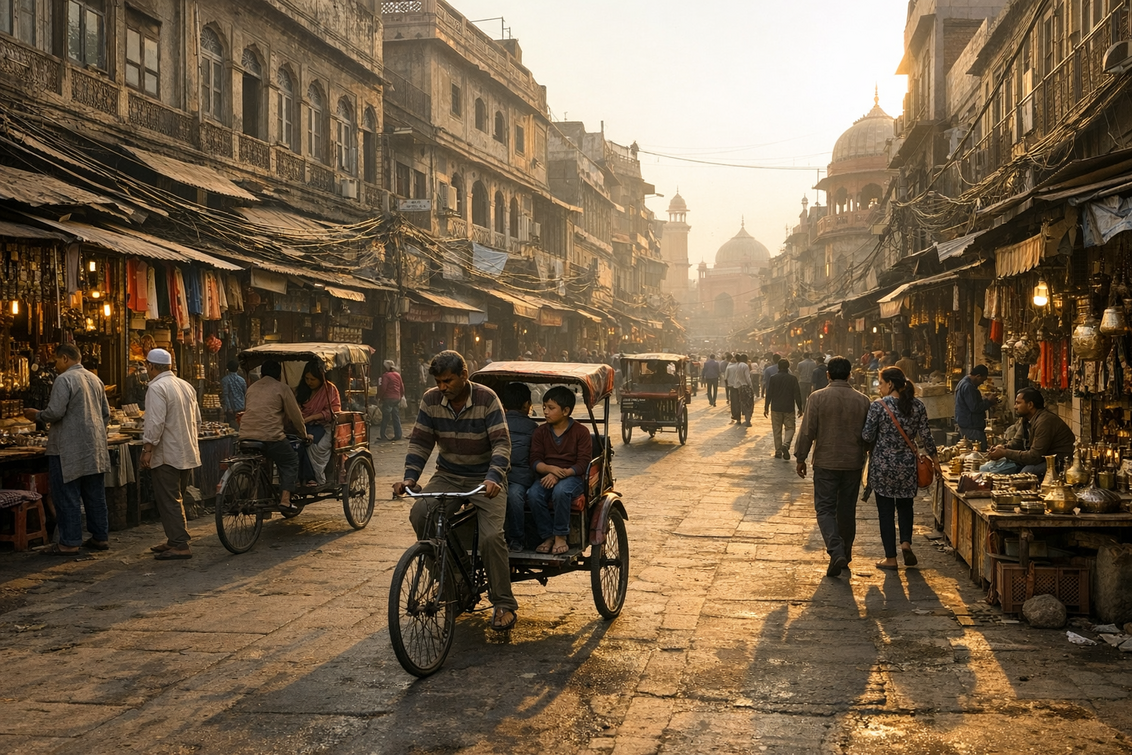
New Delhi — Chandni Chowk mein shopping karne gaye ho aur aadha time bheed se nikalne mein lag gaya? Welcome to the everyday struggle of Old Delhi! From squeezing past parked delivery carts to navigating crowded market lanes, visiting Chandni Chowk can feel like an obstacle course. Now, Delhi Chief Minister Rekha Gupta has issued a warning to officials against allowing fresh encroachments in the area. But here’s the bigger question: Can Delhi finally make its most famous shopping destination easier to navigate without disturbing the businesses that give it character?
Chandni Chowk Encroachment Crackdown: What’s Changing?
Chandni Chowk is more than just another shopping market. It’s where generations of Delhi families have bought wedding outfits, silver jewellery, spices, books, and everything in between. But anyone familiar with its narrow lanes knows that managing pedestrian movement, commercial activities, and public spaces has always been complicated.
According to an India Today report, Delhi Chief Minister Rekha Gupta has warned officials that fresh encroachments must not be allowed in Chandni Chowk, with action against those responsible for failing to prevent them.
The warning puts the spotlight on a problem that has repeatedly affected Old Delhi: public spaces becoming difficult to use because of unauthorized structures, commercial extensions, and obstructions.
So, what exactly is an encroachment?
In simple terms, it refers to unauthorized occupation or use of public space. This can include permanent structures extending beyond permitted boundaries, goods placed across public walkways, or other obstructions that interfere with pedestrian movement.
However, not every street vendor or temporary commercial activity automatically qualifies as an illegal encroachment. Permissions, designated vending areas, and applicable regulations matter.
The latest warning should therefore be understood as an instruction to strengthen enforcement, not proof that every roadside business will be removed.
For shoppers, the potential benefits are straightforward: clearer walking routes, fewer bottlenecks, and easier access to shops.
For traders and street vendors, the concern is equally important: enforcement must be transparent, consistent, and respectful of lawful livelihoods.
**Important:** The reported warning does not establish that all encroachments have already been cleared or that a new market-wide removal operation has begun.
From Wedding Shoppers to Street Vendors: Who Feels the Impact?
Chandni Chowk operates differently from the organised shopping centres of South Delhi or Gurugram.
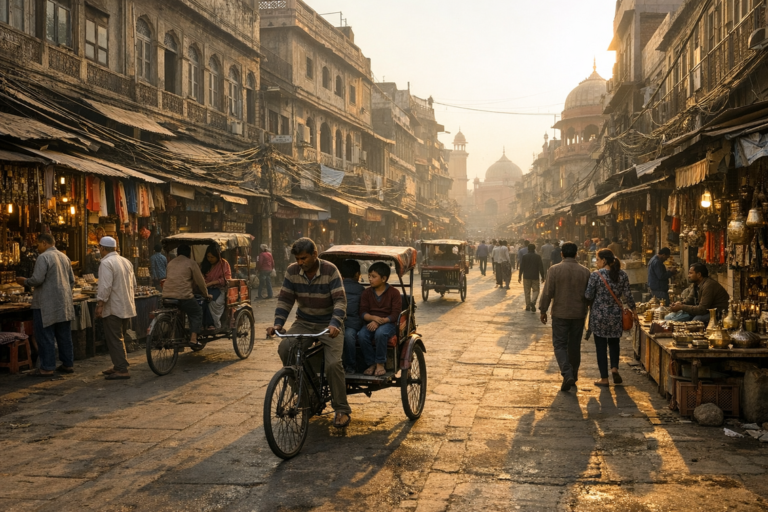
Here, a single lane can accommodate wedding shoppers comparing lehengas, workers transporting fabric bundles, cycle rickshaws moving goods, and families searching for famous food joints.
During peak shopping hours, the combination of delivery movement, pedestrians, and commercial activity can make even a short walk exhausting.
Consider someone travelling from Rajiv Chowk to Chandni Chowk Metro Station to shop for wedding accessories.
The Metro journey may be relatively straightforward, but reaching a particular shop inside Kinari Bazaar or Katra Neel can take considerably longer when the lanes are crowded.
Students visiting Nai Sarak for textbooks face similar challenges. So do senior citizens navigating uneven surfaces, narrow passages, and crowded intersections.
For shopkeepers, accessibility directly affects business.
If customers struggle to reach a shop or feel uncomfortable walking through a lane, they may shorten their visit or choose another market.
At the same time, small vendors often depend on limited commercial space and regular footfall.
A sentiment commonly heard in discussions about Old Delhi’s market management can be summed up as: “Raasta khula rahe, lekin rozgaar bhi chalta rahe.” In other words, keep the pathways clear without unnecessarily disrupting livelihoods.
That captures the challenge facing authorities.
Successful enforcement should improve access while giving businesses clear information about permitted activities, vending arrangements, and applicable rules.
For residents, better-managed streets could also improve access for emergency vehicles and essential services where road conditions permit.
Why Chandni Chowk’s Encroachment Problem Keeps Returning
To understand the current situation, you have to understand how Chandni Chowk developed.
The historic market dates back to the Mughal period and was established during the development of Shahjahanabad in the 17th century.
Unlike modern commercial districts designed around cars, large parking areas, and separated pedestrian routes, Old Delhi evolved through closely connected streets, residential neighbourhoods, religious sites, and trading centres.
Commercial activity expanded over generations, but the physical street network remained relatively constrained.
That’s one reason managing movement here is so difficult.
Chandni Chowk has already undergone a major redevelopment project aimed at improving pedestrian access, streetscape conditions, and the overall shopping experience.
The redesigned main stretch, inaugurated in 2021, introduced pedestrian-oriented improvements and restrictions intended to reduce the dominance of motor vehicles during designated hours.
However, redesigning a street and maintaining it are two different challenges.
The same pattern appears in other parts of Delhi.
At Sarojini Nagar Market, pedestrian congestion can become intense during weekends and festive shopping periods.
Around Sadar Bazaar, goods movement and wholesale trading create additional pressure on narrow roads.
Even parts of Karol Bagh have experienced the challenge of balancing commercial activity with pedestrian-friendly planning.
The lesson from these markets is simple: infrastructure improvements need regular maintenance, practical delivery arrangements, clear vending rules, and consistent enforcement.
Without those measures, previously cleared spaces can gradually become obstructed again.
Planning a Chandni Chowk Visit? Follow These 5 Local Tips
- 1. Take the Metro instead of driving: Chandni Chowk Metro Station on the Yellow Line is a convenient option for reaching the market. Lal Qila Metro Station on the Violet Line can also work well, especially if your plans include the Red Fort side. Driving into Old Delhi can mean dealing with traffic restrictions, limited parking, and narrow approach roads. Check current station exits and pedestrian access before travelling.
- 2. Shop earlier when possible: If you’re buying wedding accessories, fabrics, books, or household items, consider visiting during the late morning on a regular weekday. Crowds often increase later in the day, particularly during festive and wedding-shopping periods. Opening hours vary across different markets and individual shops, so confirm availability before leaving home.
- 3. Divide your shopping by market: Chandni Chowk isn’t one single shopping lane. Visit Kinari Bazaar for wedding decorations and accessories, Dariba Kalan for jewellery, Nai Sarak for books and stationery, and Katra Neel for fabrics. Planning your route around nearby markets saves unnecessary walking and repeated trips through crowded stretches.
- 4. Keep access routes clear: Avoid stopping in the middle of narrow pedestrian lanes to inspect purchases, take photographs, or wait for friends. If you’re shopping with children or elderly family members, agree on a nearby landmark where everyone can regroup. During crowded periods, stay alert around goods carts and delivery movements.
- 5. Report serious obstructions through official channels: If a public walkway is blocked by a structure or activity that appears unauthorized, document the location and contact the relevant civic authority through its official grievance system. For municipal matters, check the Municipal Corporation of Delhi’s current complaint channels. Avoid confronting workers or vendors yourself, and remember that determining whether an activity is illegal is the authorities’ responsibility.
📍 Spot Check: Planning to explore the area? Start from Chandni Chowk Metro Station, then head towards Fatehpuri Masjid, Town Hall, or the historic market stretch near Gurudwara Sis Ganj Sahib. Dariba Kalan and Kinari Bazaar are useful stops for jewellery and wedding shopping, while Nai Sarak is known for books and stationery. Paranthe Wali Gali remains a popular food stop, although its narrow approach can get crowded. For a wider Old Delhi outing, Lal Qila Metro Station provides access towards Red Fort and the eastern side of Chandni Chowk. Pedestrian conditions, traffic arrangements, and access restrictions may change, so check locally before planning a large shopping trip.
The Final Word
Delhi doesn’t need Chandni Chowk to become another polished shopping mall. Its appeal comes from its old shops, family-run businesses, traditional food, historic architecture, and the unmistakable energy of Purani Dilli.
But loving Old Delhi doesn’t mean accepting blocked walkways, unsafe crowding, or poor public-space management.
Chief Minister Rekha Gupta’s warning is significant because it places responsibility on officials to prevent fresh encroachments rather than simply responding after problems develop.
The real measure of success will be what happens on the ground over the coming months.
Will pedestrians find clearer routes? Will traders receive consistent guidance? Will lawful vendors be treated fairly? And will improvements last beyond occasional inspections?
**Chandni Chowk deserves streets that work for shoppers, residents, workers, and businesses alike.**
What do you think, Delhi: should Chandni Chowk focus on stricter encroachment enforcement, better street management, or a combination of both?
People Also Ask
Is this officially confirmed?
Yes, but implementation on ground may vary.
Who benefits the most?
Daily commuters, students and small shop owners.
Any hidden catch?
Check timings & local enforcement.
Have something to say? Drop a comment below!
#Delhi #ChandniChowk #EncroachmentUpdate #OldDelhiMarket #DelhiNews
About the Author