New Delhi — Ever stood at the Kalkaji Mandir Metro Station, looked west and been intrigued by the sight of an ethereal, sublime lotus blooming right in the heart of the urban jungle? That’s Delhi’s iconic Lotus Temple for you, a monument par excellence, adorning the skyline and captivating hearts since its inception.
A Lotus in the Mud: The Architectural Marvel
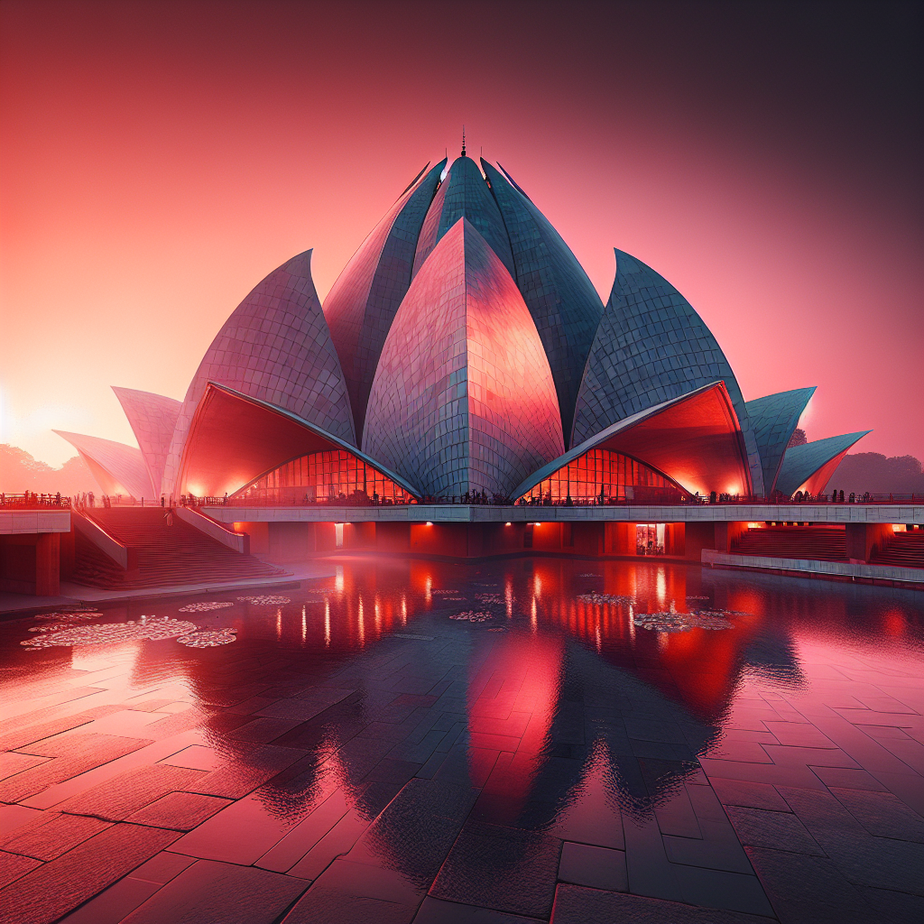
Lotus Temple, or Baha’í House of Worship, is a striking example of faith expressed in concrete and marble. Situated amidst lush gardens, the structure consists of 27 flawless white-marble petals arranged in clusters to form the shape of a blooming lotus. Encasing the beauty of faith within a symbol of purity, this monument is a stand-out amidst the city’s architectural landscape. Pioneered by architect Fariborz Sahba back in 1986, its design has since then attracted global attention and praised for its ecological efficiency. Above all, the Lotus Temple’s universal ambiance, devoid of ornamental idols or religious symbols, promotes peace, unity, and coexistence amongst all faiths, reflecting the true secular spirit of Delhi.
The Lotus Pulse: Impact on Locals
From school children on educational trips to families seeking solace on weekends, Lotus Temple’s monumental lure transcends age and religion. Ask the chai-wala at the nearby Nehru Place market or the collegians loafing around the Greater Kailash lanes, and they will admit how the soothing tranquility of Lotus has seen them through stressful times. For office-goers in the hustle and bustle of Kalkaji or Okhla, it serves as a serene escape post-work or during lunch breaks. Even local shopkeepers report an uptick in business due to the constant inflow of tourists, further indicating the temple’s significance in the local ecosystem.
Delhi’s Lotus Bloom: The History
Delhi has always been a city of diverse cultures, religions, and architectural grandeur. The addition of Lotus Temple in 1986 furthers the city’s multicultural heritage. The idea stemmed from the Baha’í principle that all major religions are divine in origin. Hence they chose the lotus, a sacred symbol for several Indian faiths, as a universal emblem of peace and unity. Testament of Delhi’s cosmopolitan character, the Lotus Temple stands shoulder-to-shoulder with its city peers like Qutub Minar or Humayun’s Tomb, furthering the city’s global recognition.
Witnessing the Lotus Bloom – Things to Know
- To best experience its illumination, visit during sunset, when the temple bathes in a warm, radiant glow.
- Visiting hours stretch from 9 am to 7 pm, with Mondays off.
- If craving for some street food after your peaceful rendezvous, head straight to the lanes of Kalkaji for some Delhi-style chaat.
📍 Spot Check: Kalkaji Mandir Metro Station, Nehru Place Market, ISKCON Temple
The Final Word
Whether you’re a wanderer, a believer, an artist, or someone seeking peace, Lotus Temple, behaving as a universal symbol of tranquility, invites everyone with open arms. So, have you visited this marvel yet, or are you waiting to witness the magic?
People Also Ask
Is this officially confirmed?
Yes, but implementation on ground may vary.
Who benefits the most?
Daily commuters, students and small shop owners.
Any hidden catch?
Check timings & local enforcement.
Have something to say? Drop a comment below!
#Delhi #SouthDelhi #LotusTemple #PeacefulEscapes #UrbanMarvels
About the Author